PARAKH: PAdhai AuR Khel
PARAKH 1.0: “तैयारी उड़ान की” and PARAKH 2.0: “टॉप से टॉपर्स तक का सफर”
Project Description
Pakur district, historically challenged by poor academic outcomes, high dropout rates, irregular attendance, low perceived value of education, and severe teacher shortages, faced an urgent need for a comprehensive educational overhaul. Structural constraints such as geographically dispersed habitations, cultural barriers, early marriages, low PTR, and a large number of single-teacher schools further widened learning gaps. Traditional approaches were insufficient to address the deeply rooted academic and socio-emotional challenges of learners.
To break this cycle and rebuild the educational landscape, the district administration launched Project PARAKH – Padhai Aur Khel, a visionary, holistic, and community-driven reform model. Implemented in two progressive phases — PARAKH 1.0: “तैयारी उड़ान की” and PARAKH 2.0: “टॉप से टॉपर्स तक का सफर” — the initiative integrates structured academics, co-curricular exposure, digital learning, parental engagement, community participation, and behavioral transformation.
Importantly, PARAKH is not limited to improving academic performance; it seeks to restore the joy of learning by enriching school environments through Tithi Bhoj-sah-Janmotsav celebrations, Bagless Day, Movie of the Month, Yoga sessions, sports and art-based activities, and expressive platforms such as Bolega Pakur and Aaj Kya Seekhein. These initiatives nurture confidence, curiosity, emotional well-being, and a sense of belonging among students.
PARAKH also aligns strongly with national and state educational priorities, ensuring convergence with key frameworks such as the National Education Policy (NEP) 2020, Samagra Shiksha, PM POSHAN, School Chalein Hum, Beti Bachao Beti Padhao, and Jharkhand’s Learning Enhancement and community-participation programs. This integration ensures that reforms are systemic, sustainable, and aligned with broader goals of holistic, inclusive, and child-centric education.
Designed as a people-centric movement rather than a mere academic intervention, PARAKH democratizes learning, empowers students, strengthens teacher support systems, and transforms government schools into vibrant ecosystems of expression, confidence, and aspiration.
Key Components of PARAKH
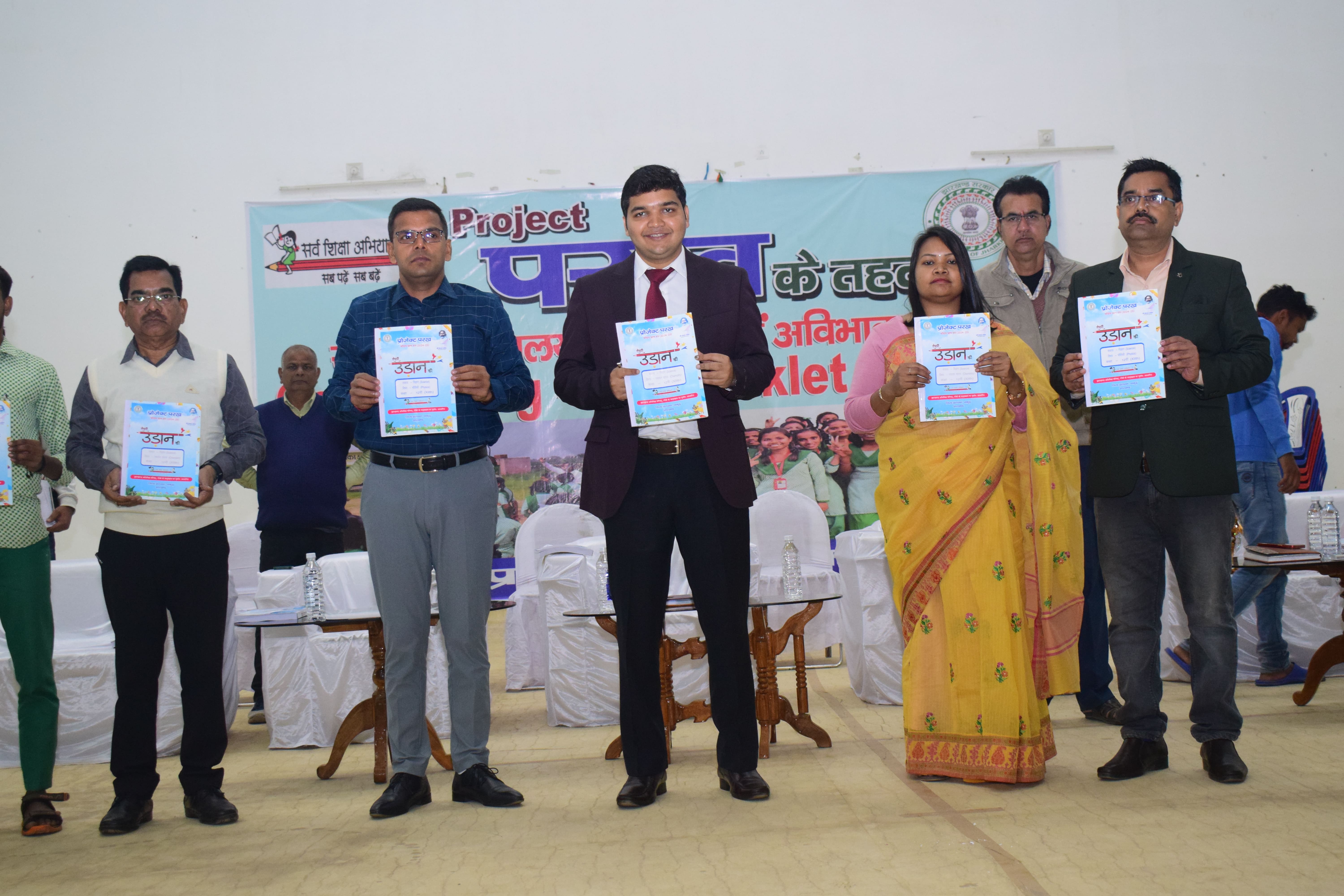
1. PARAKH Booklet (Mock Test-Based Learning Resource)
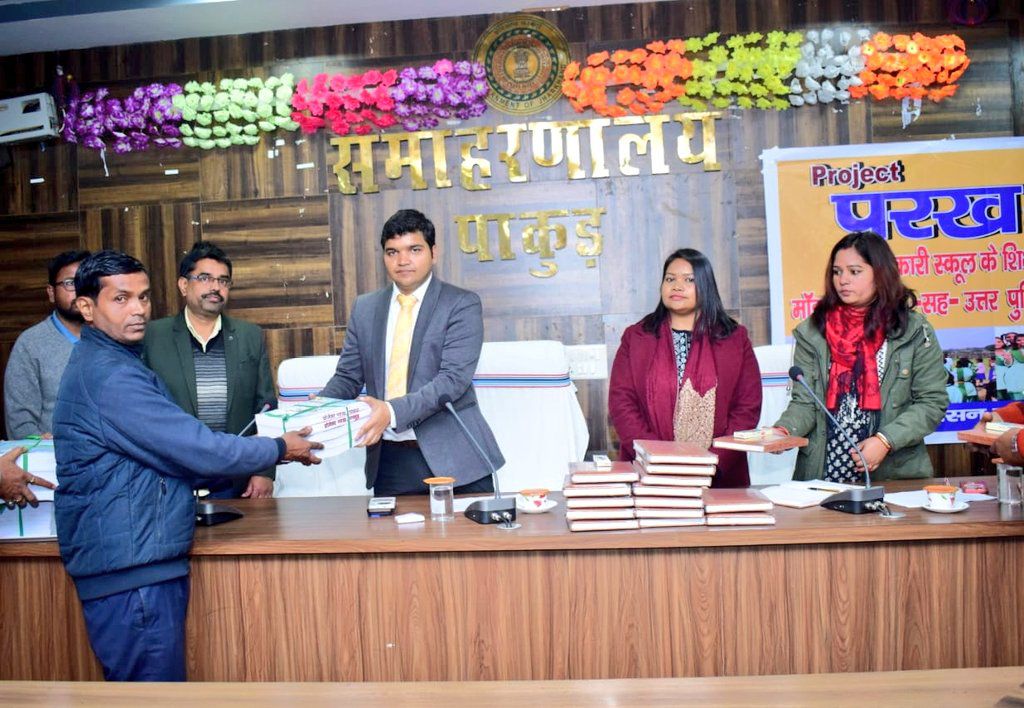
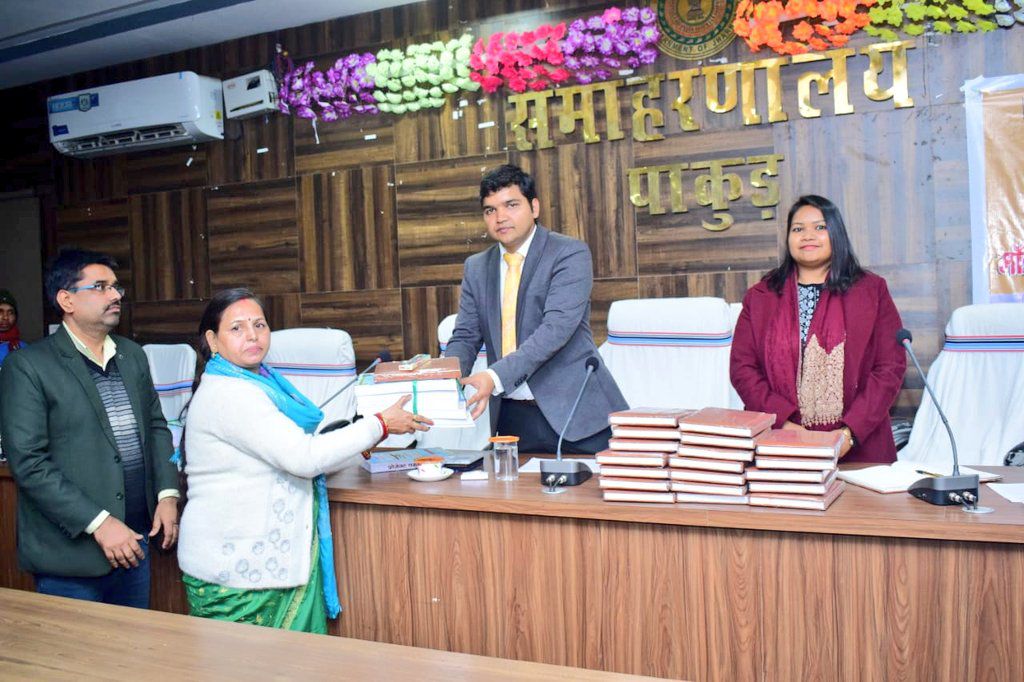
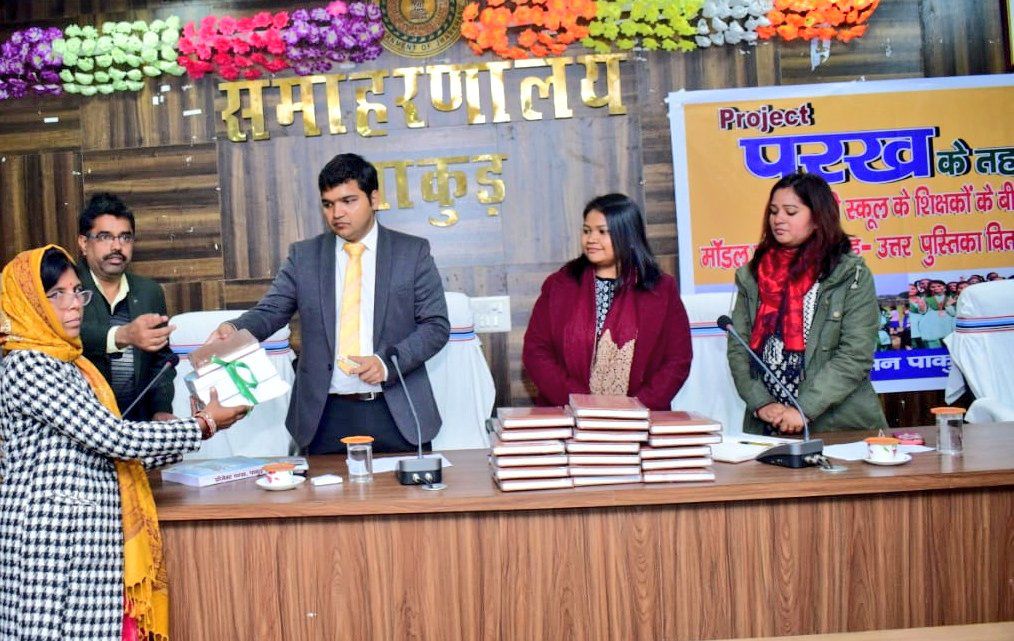
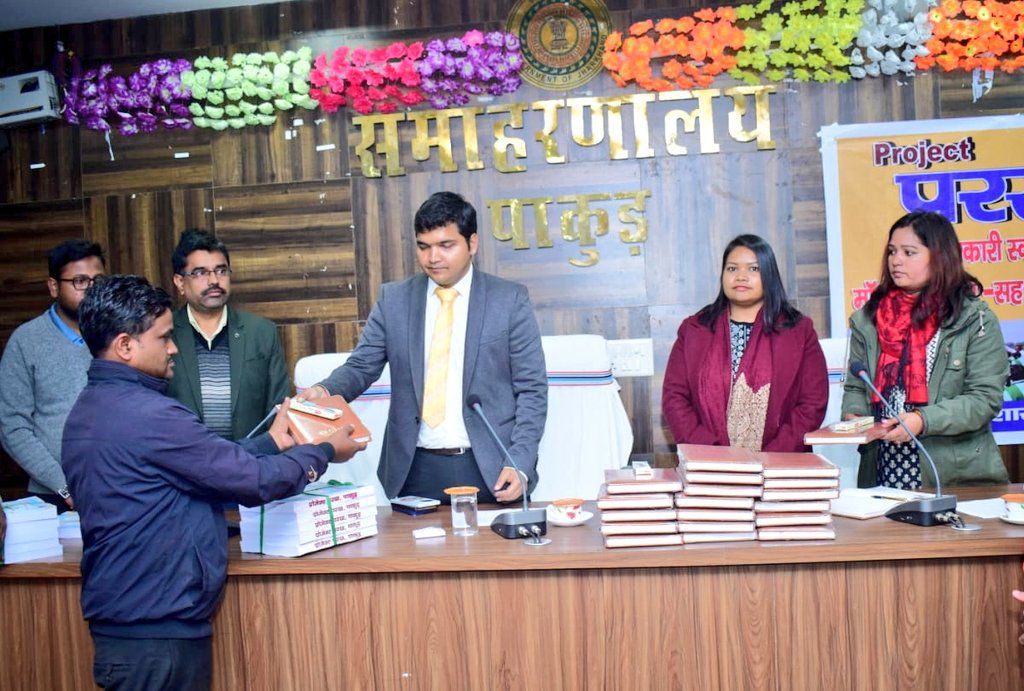
A structured booklet containing CBSE and JAC-pattern mock test papers, curated question banks, and practice sets. It ensures syllabus completion, strengthens exam readiness, and provides standardized learning material across all schools—even in low-PTR and single-teacher settings.
2. Weekly Tests & Score Tracking
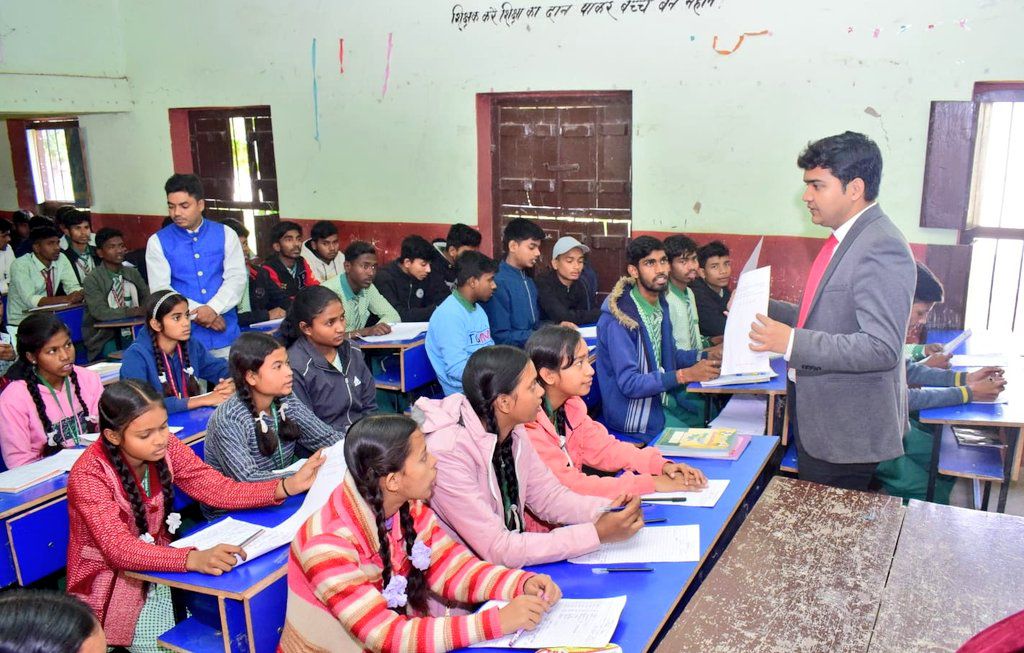
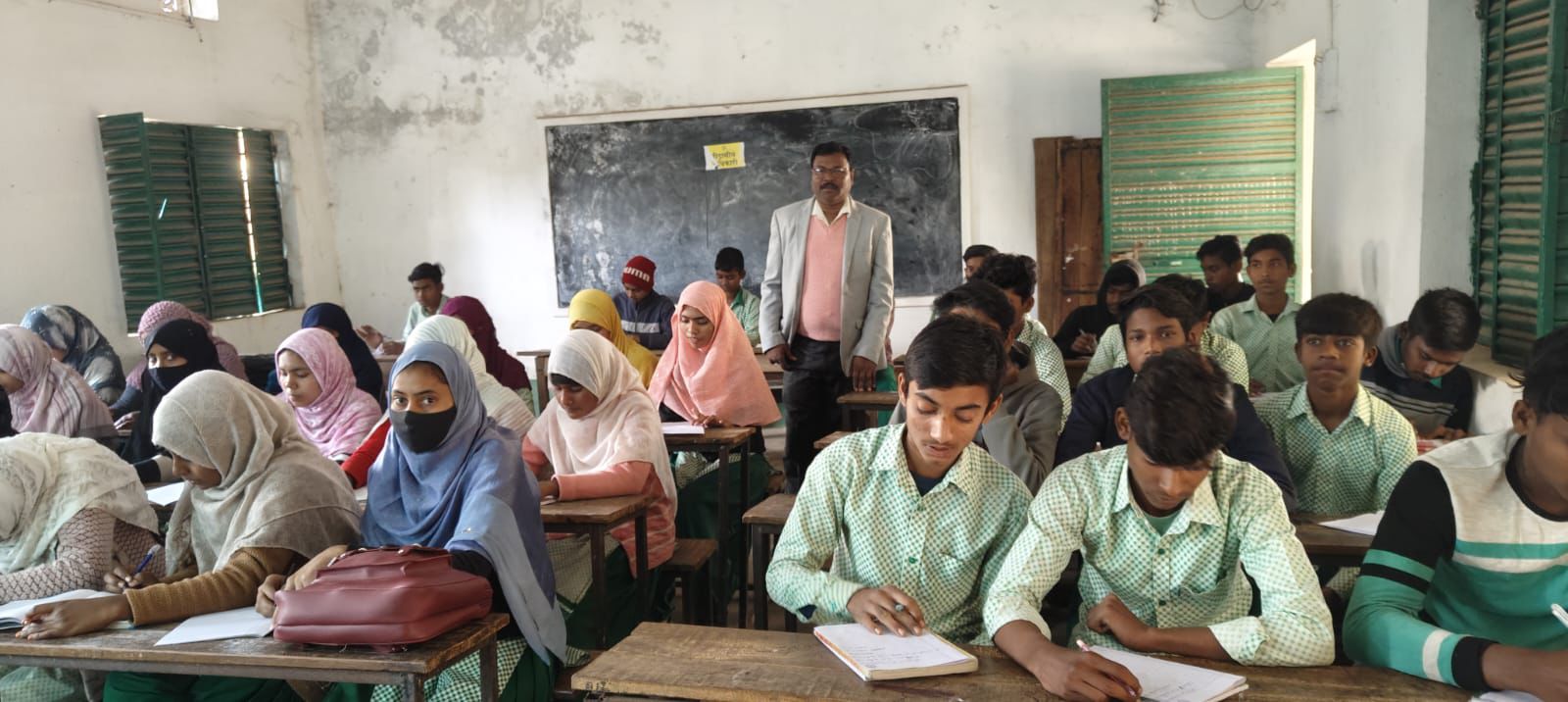
District-wide synchronized weekly assessments to build academic confidence, remove exam fear, identify learning gaps, and deliver targeted remedial support. These tests enhance consistency, discipline, and self-evaluation among students.
3. Aaj Kya Seekhein
An innovative home-learning reinforcement model where students narrate their daily learning to parents, who record short videos and upload them to school WhatsApp groups. This strengthens parent–child bonds, improves retention, and establishes accountability at home.
4. Bolega Pakur
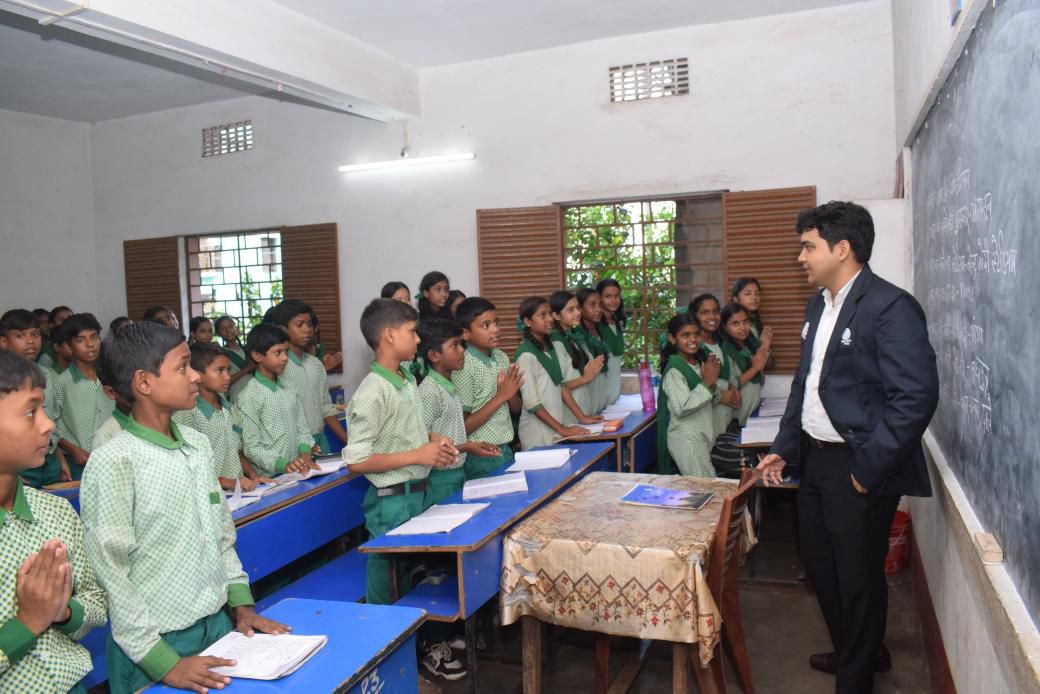
A morning assembly platform where students speak on any topic of their choice, improving communication skills, public speaking, general awareness, and confidence. It nurtures expression, leadership, and a culture of free thinking.
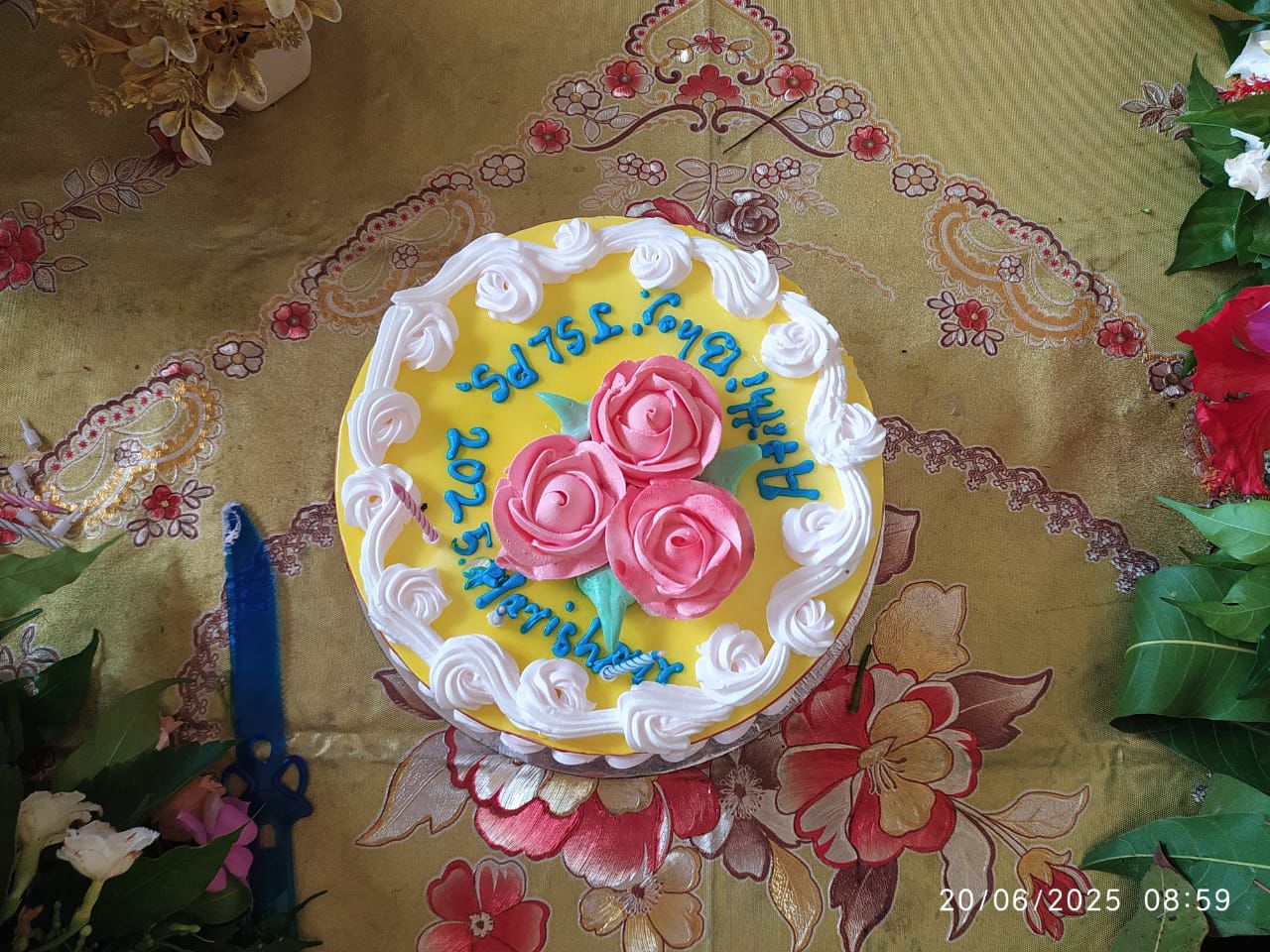
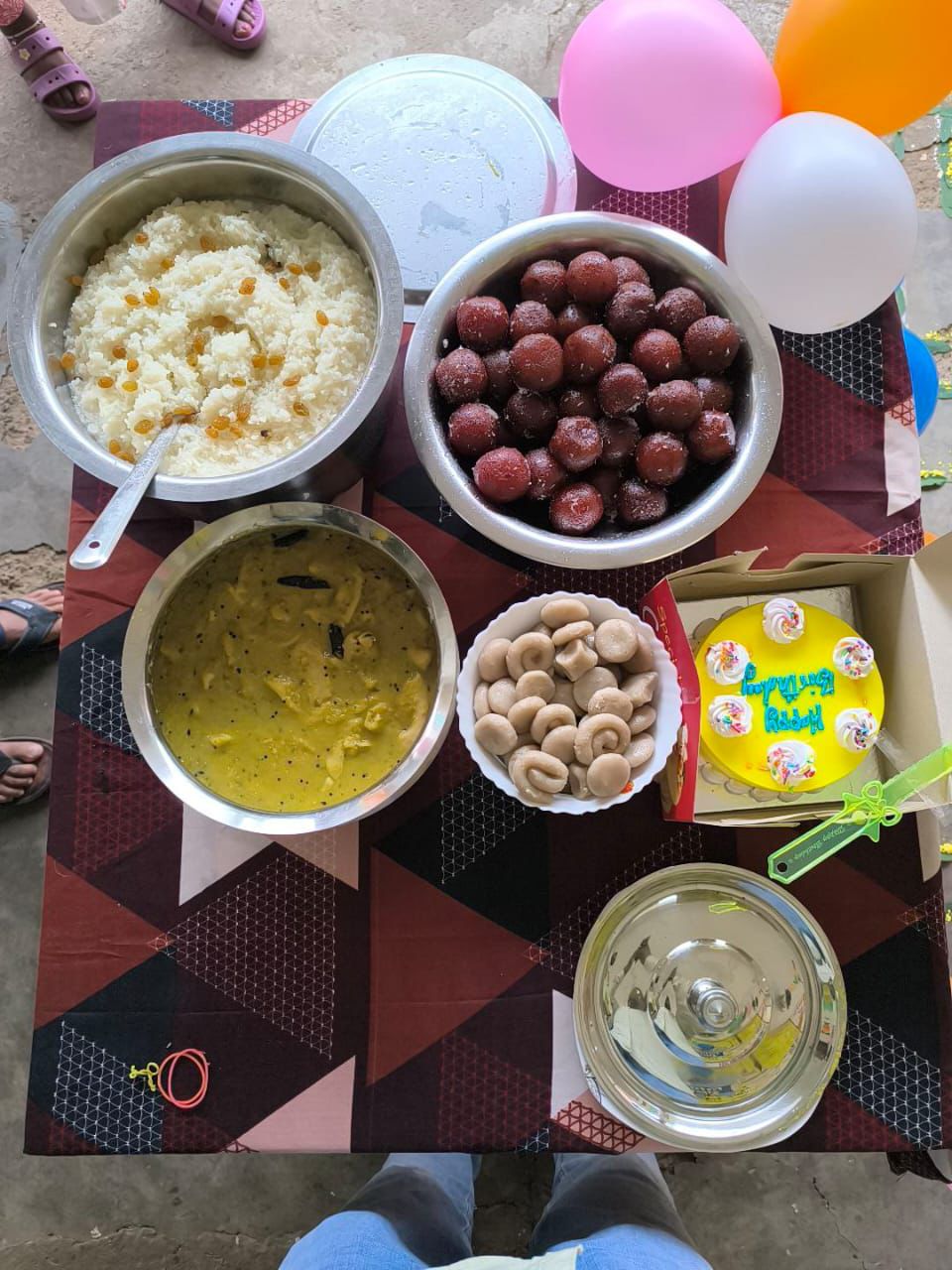
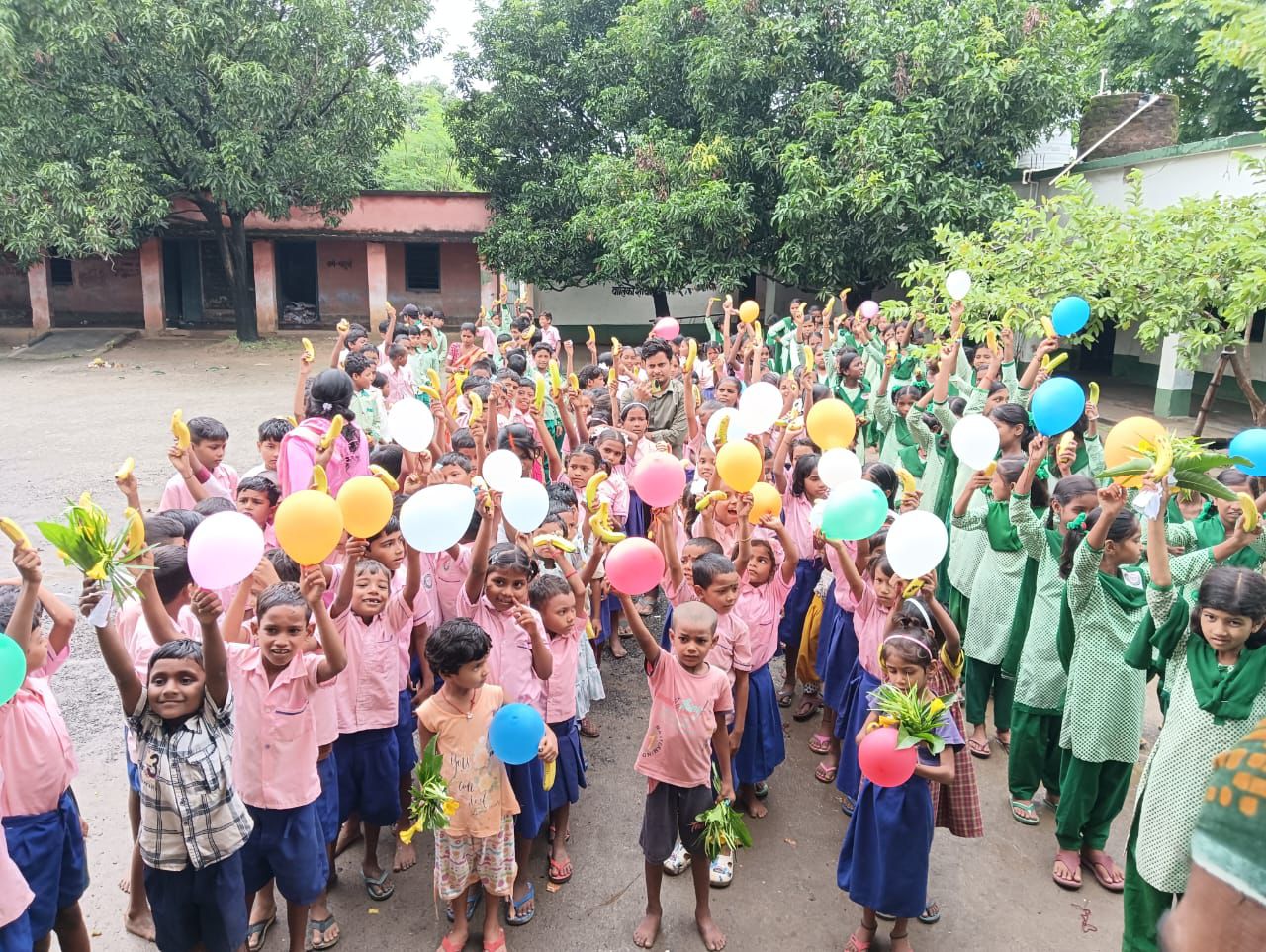
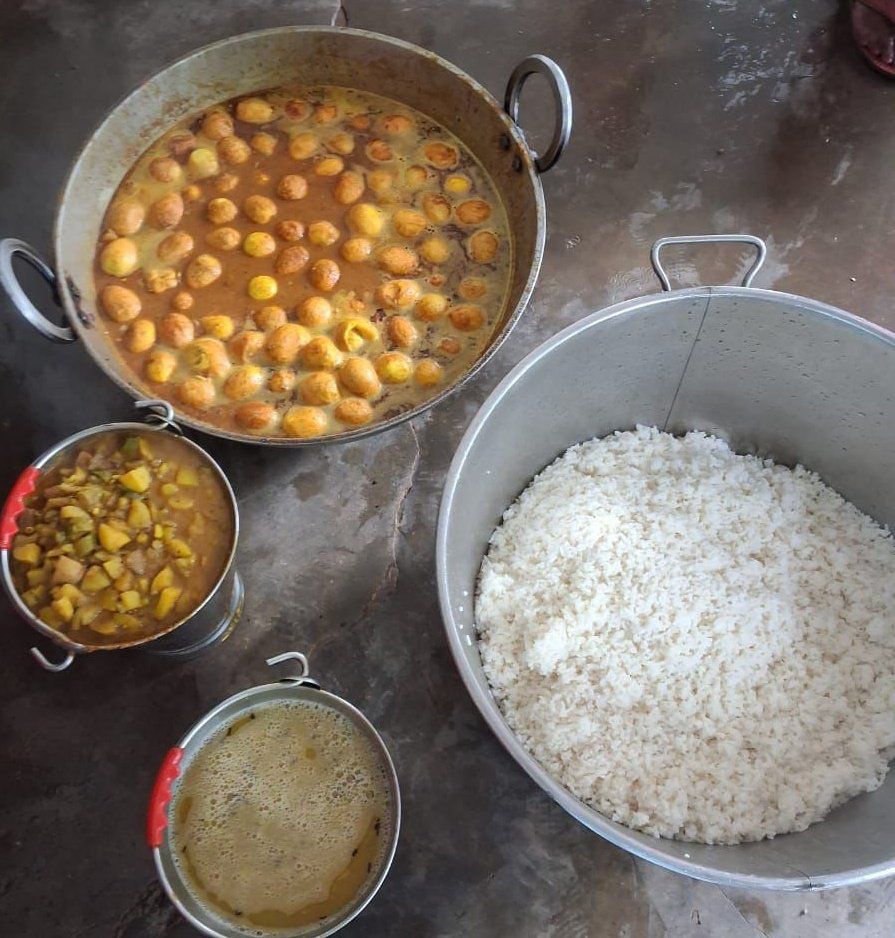
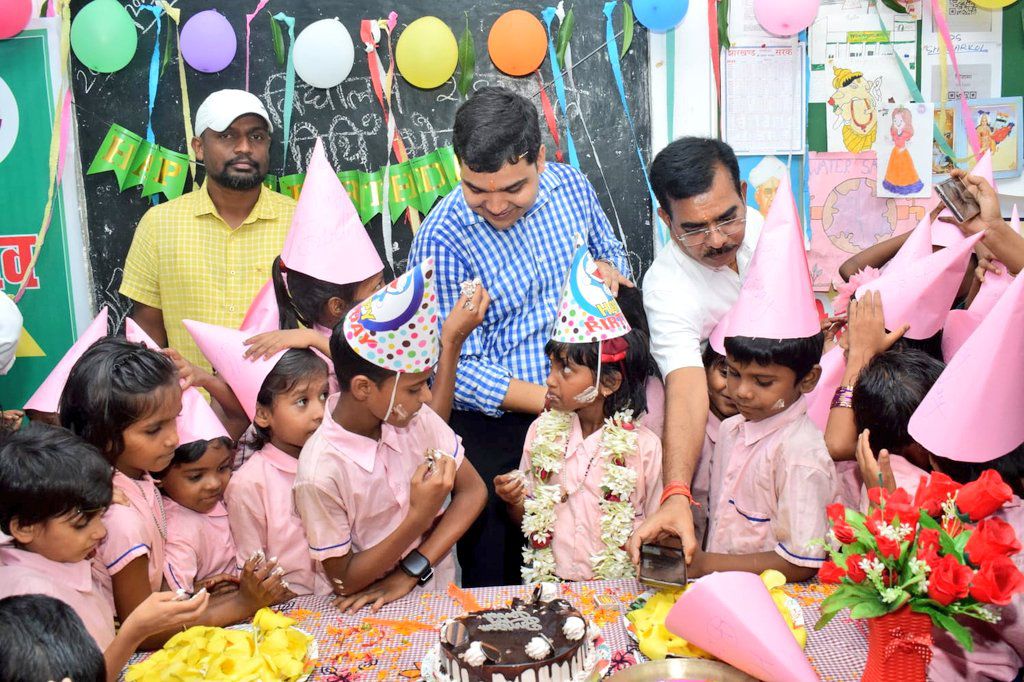
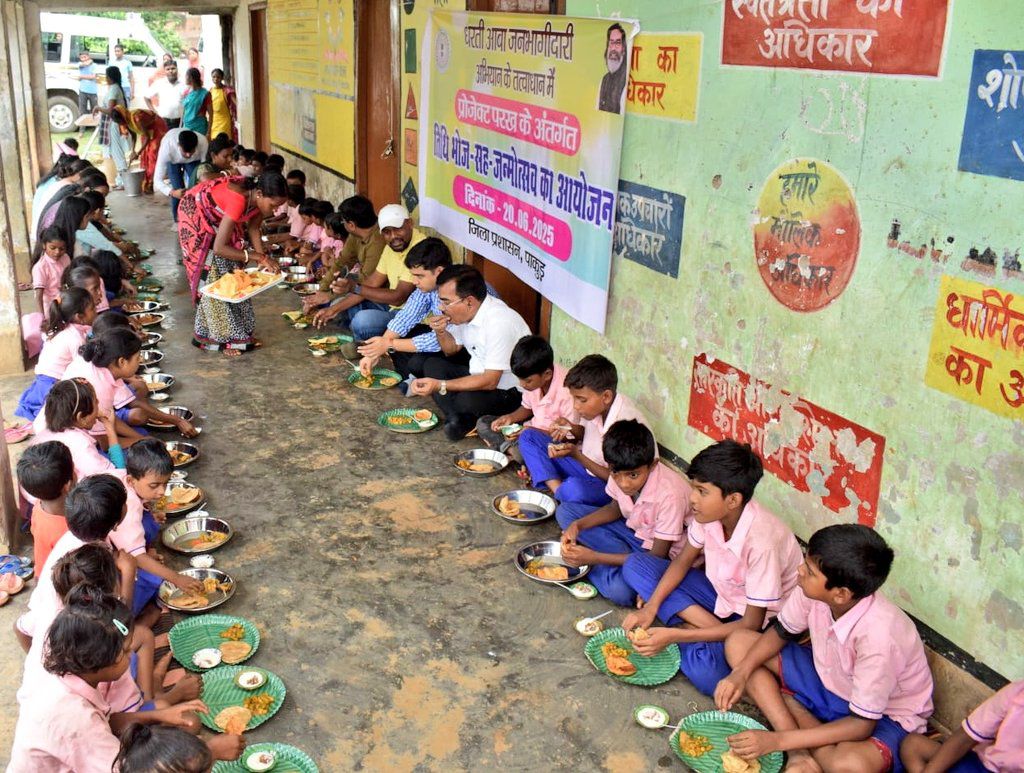
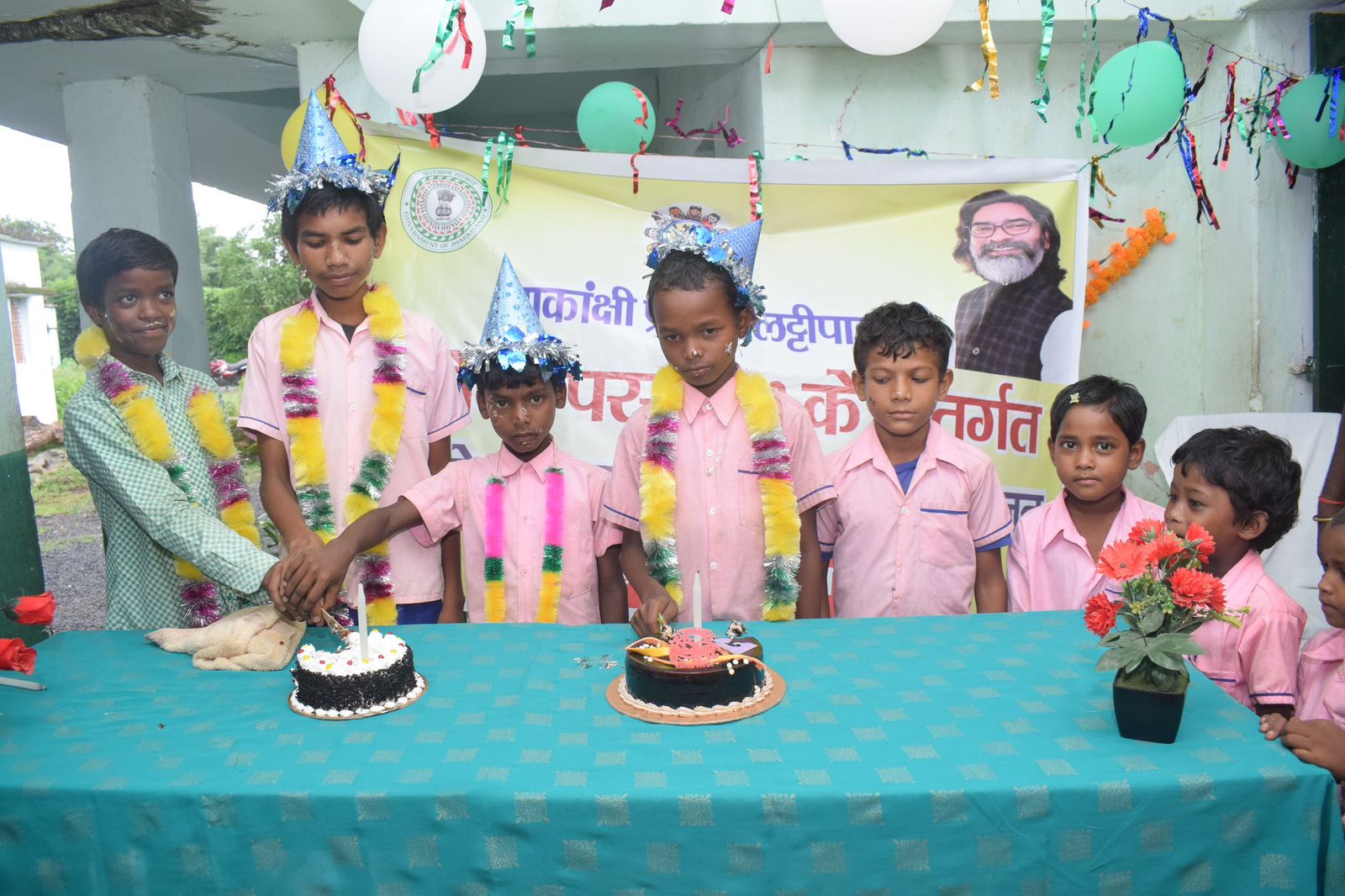
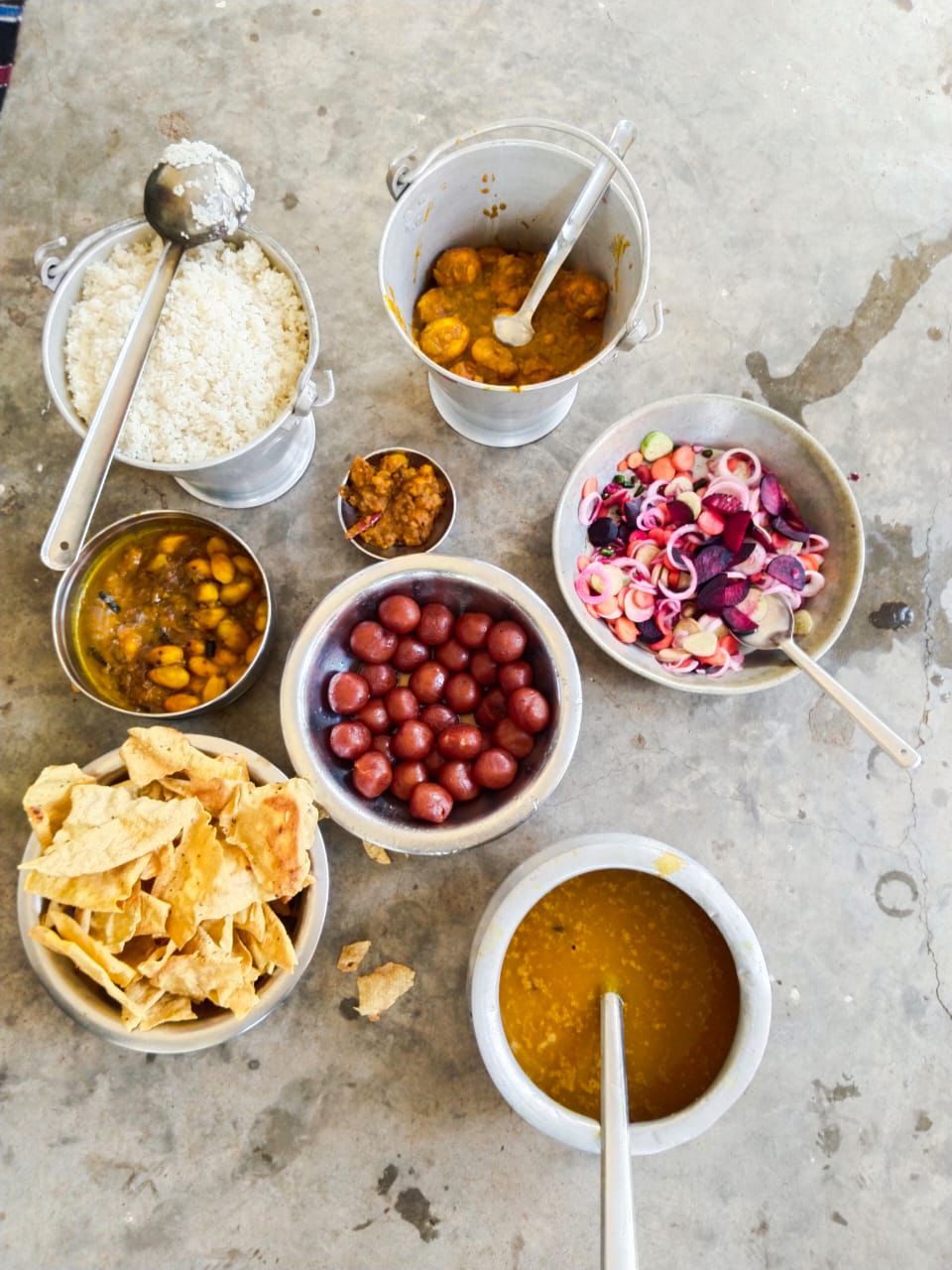
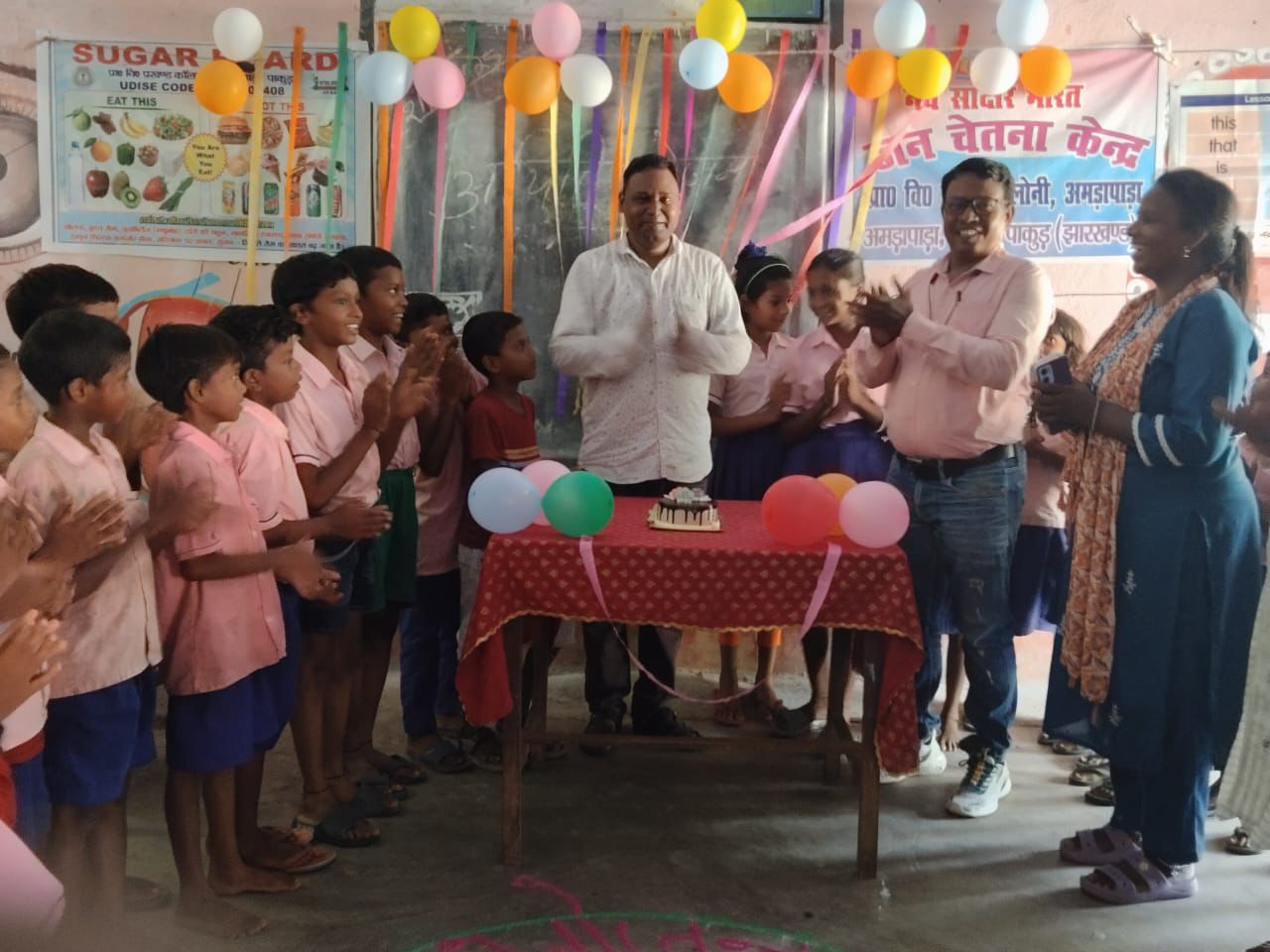
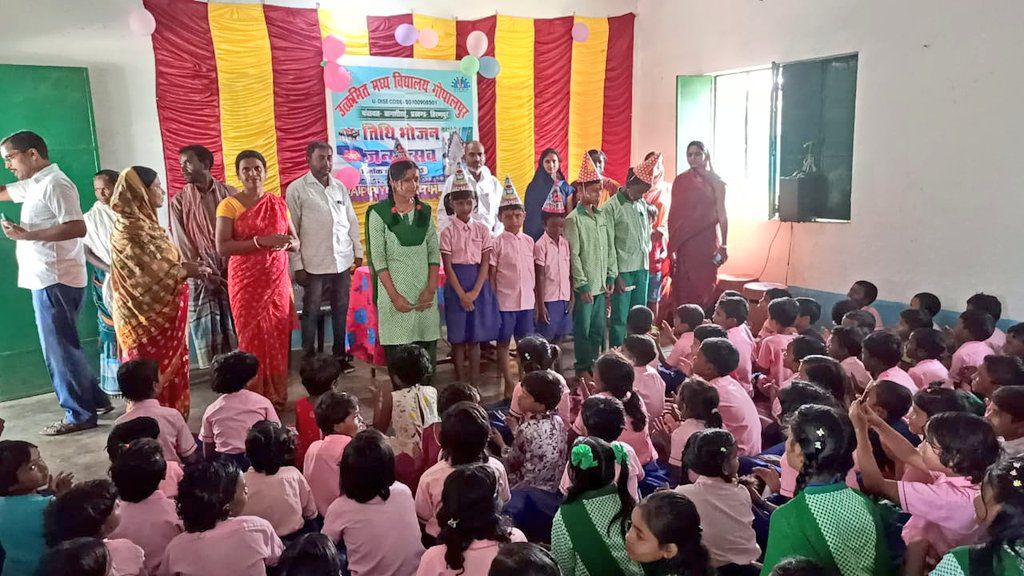
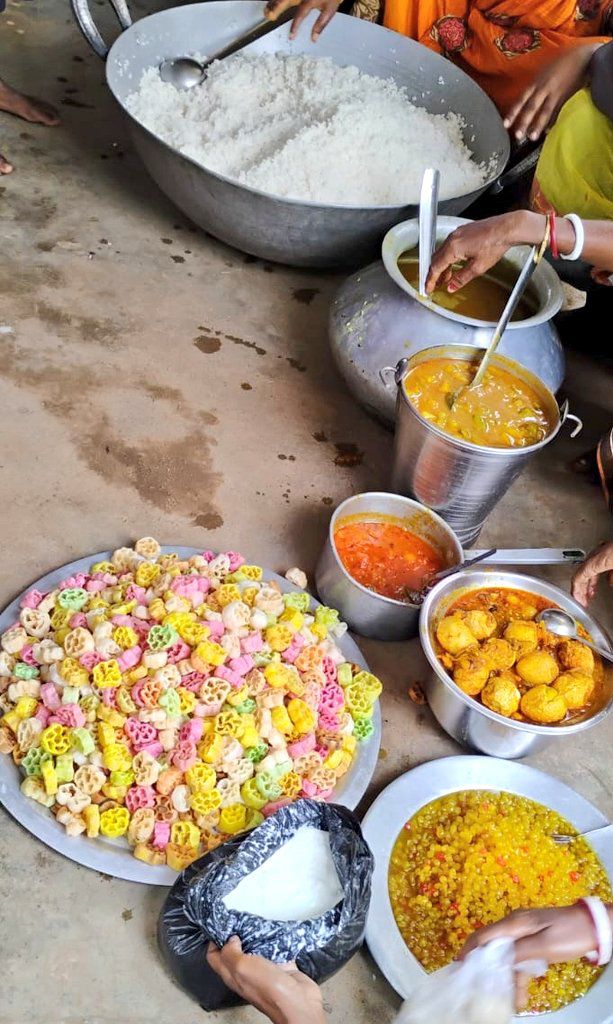
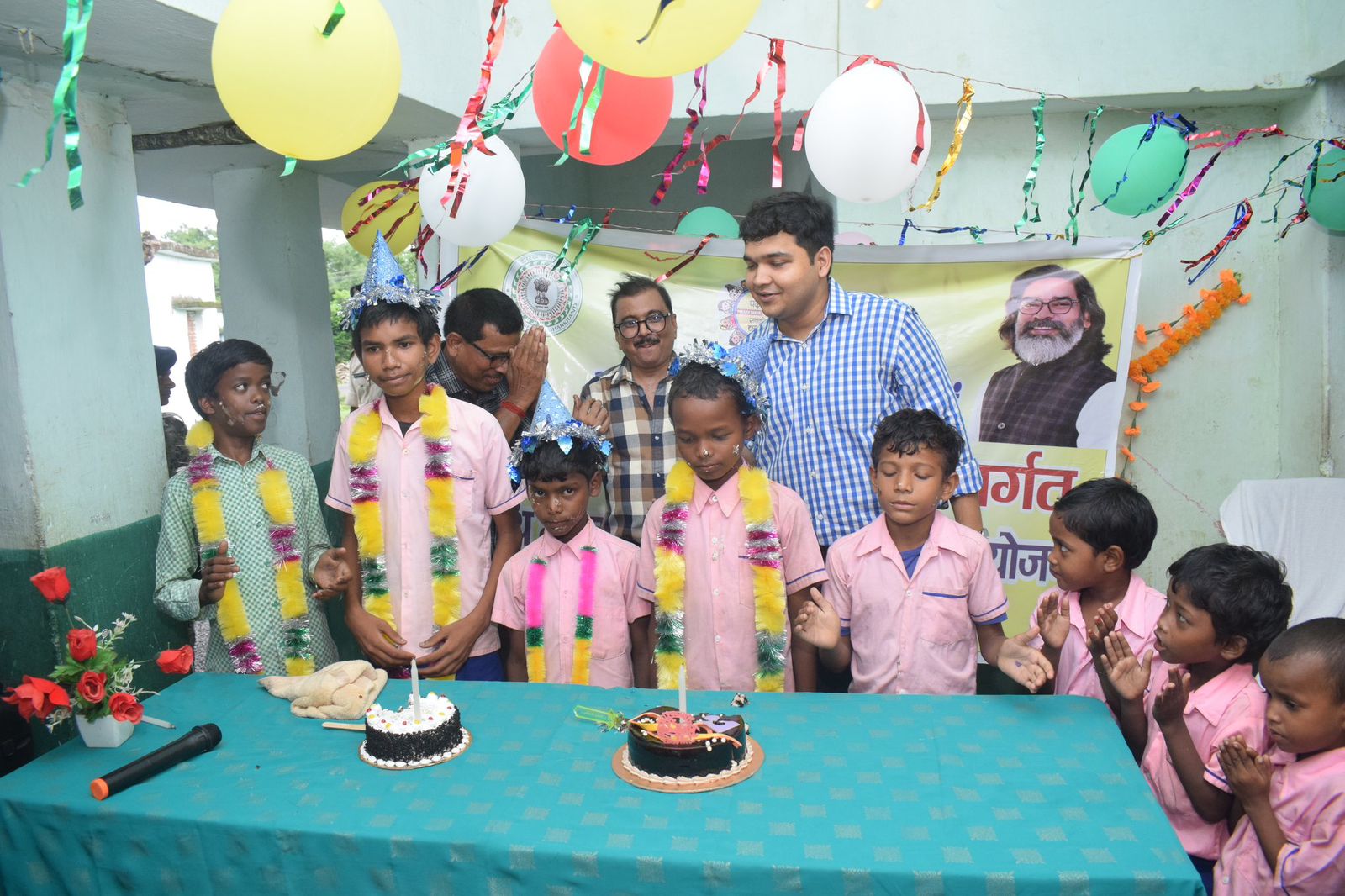
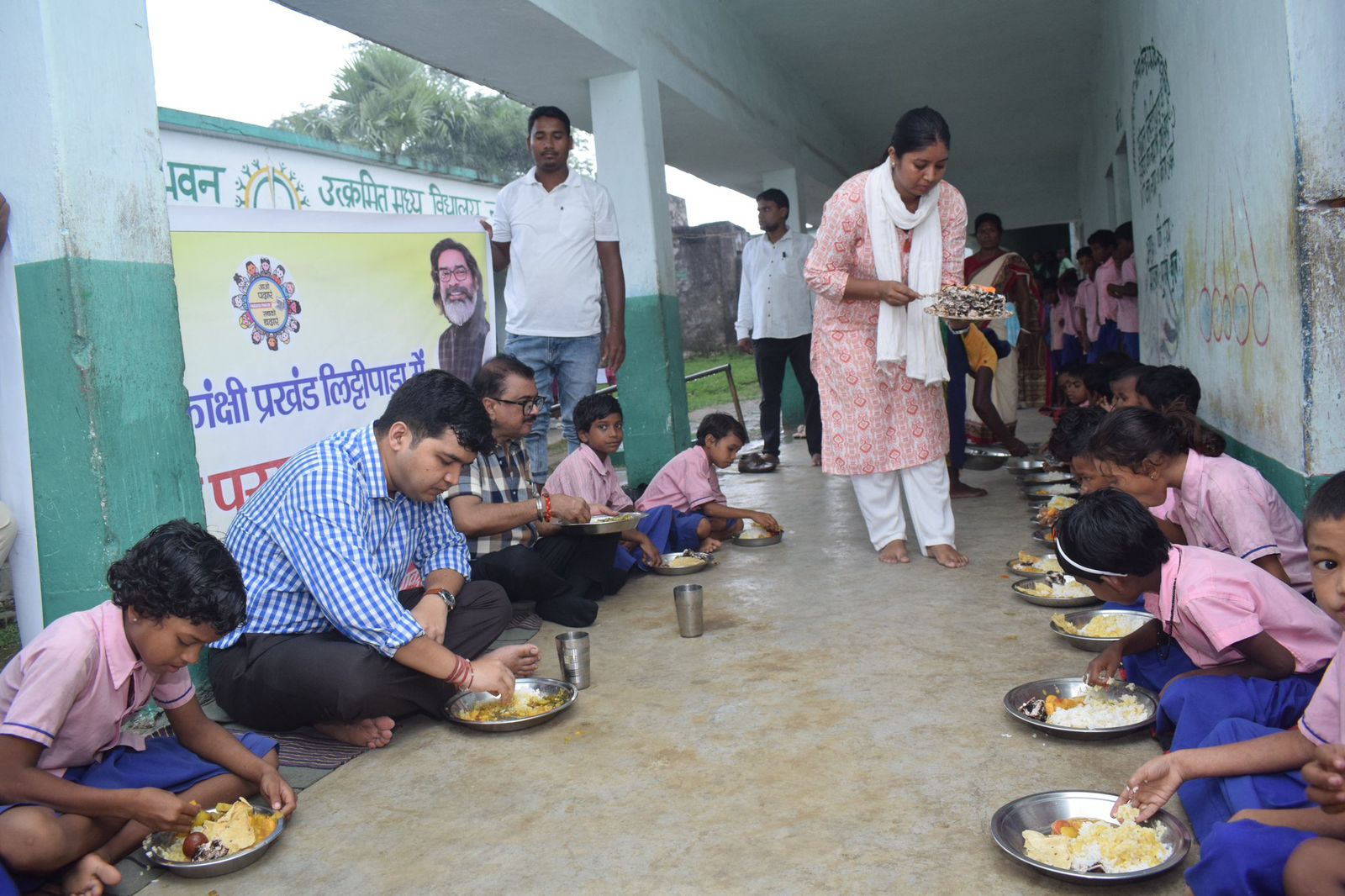
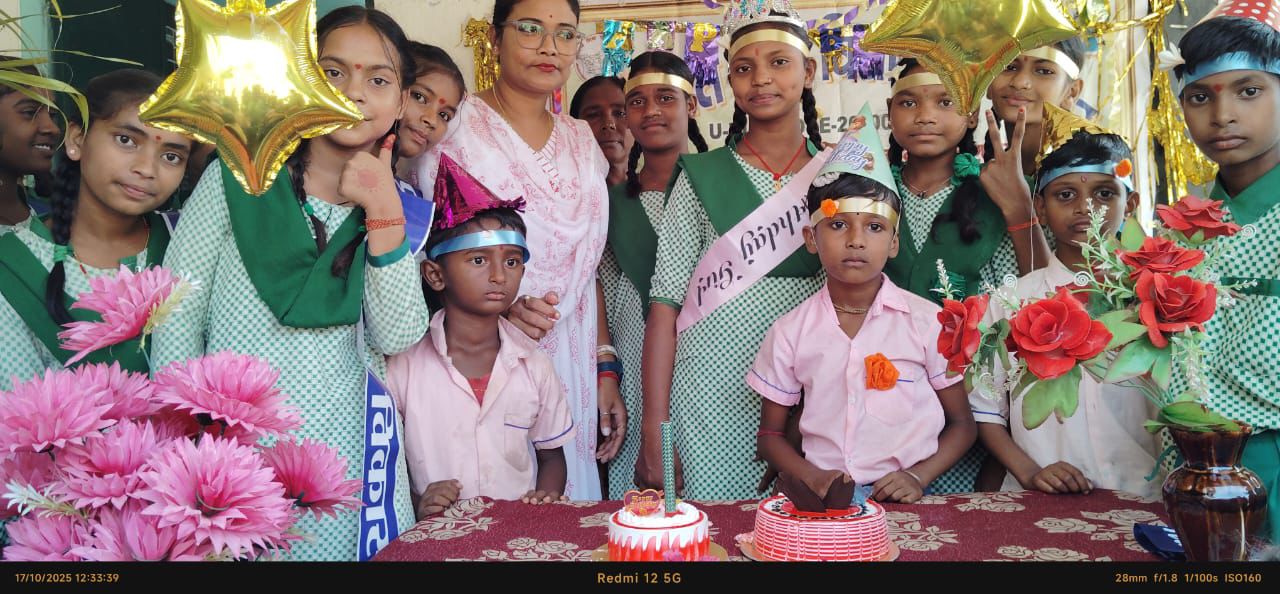
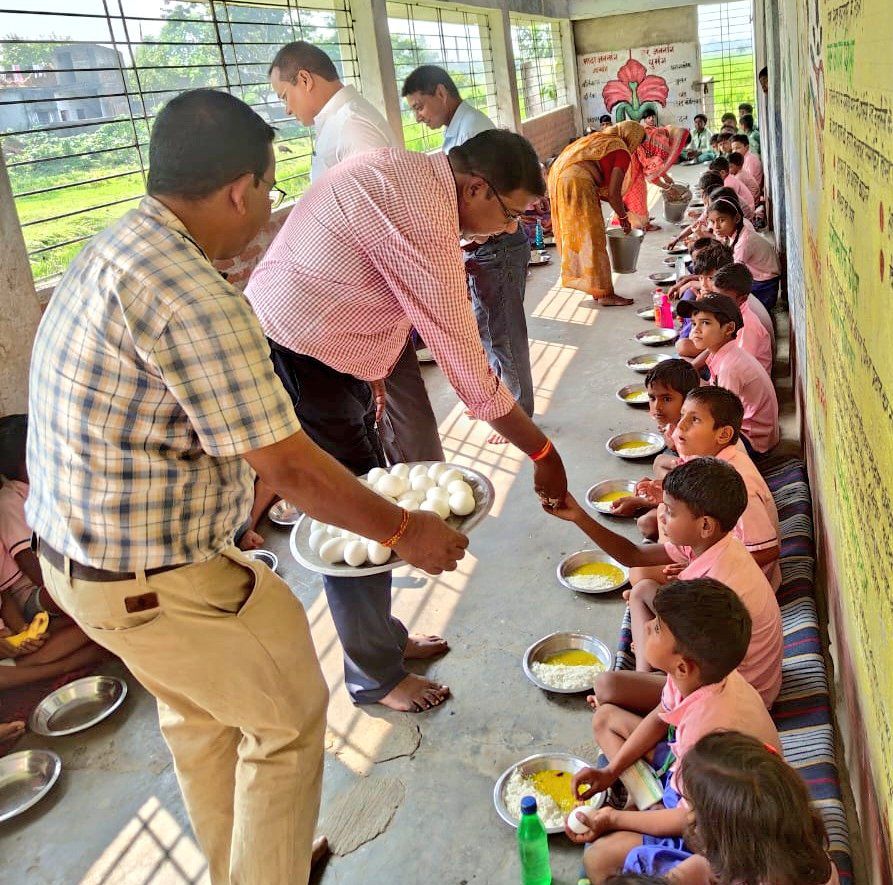
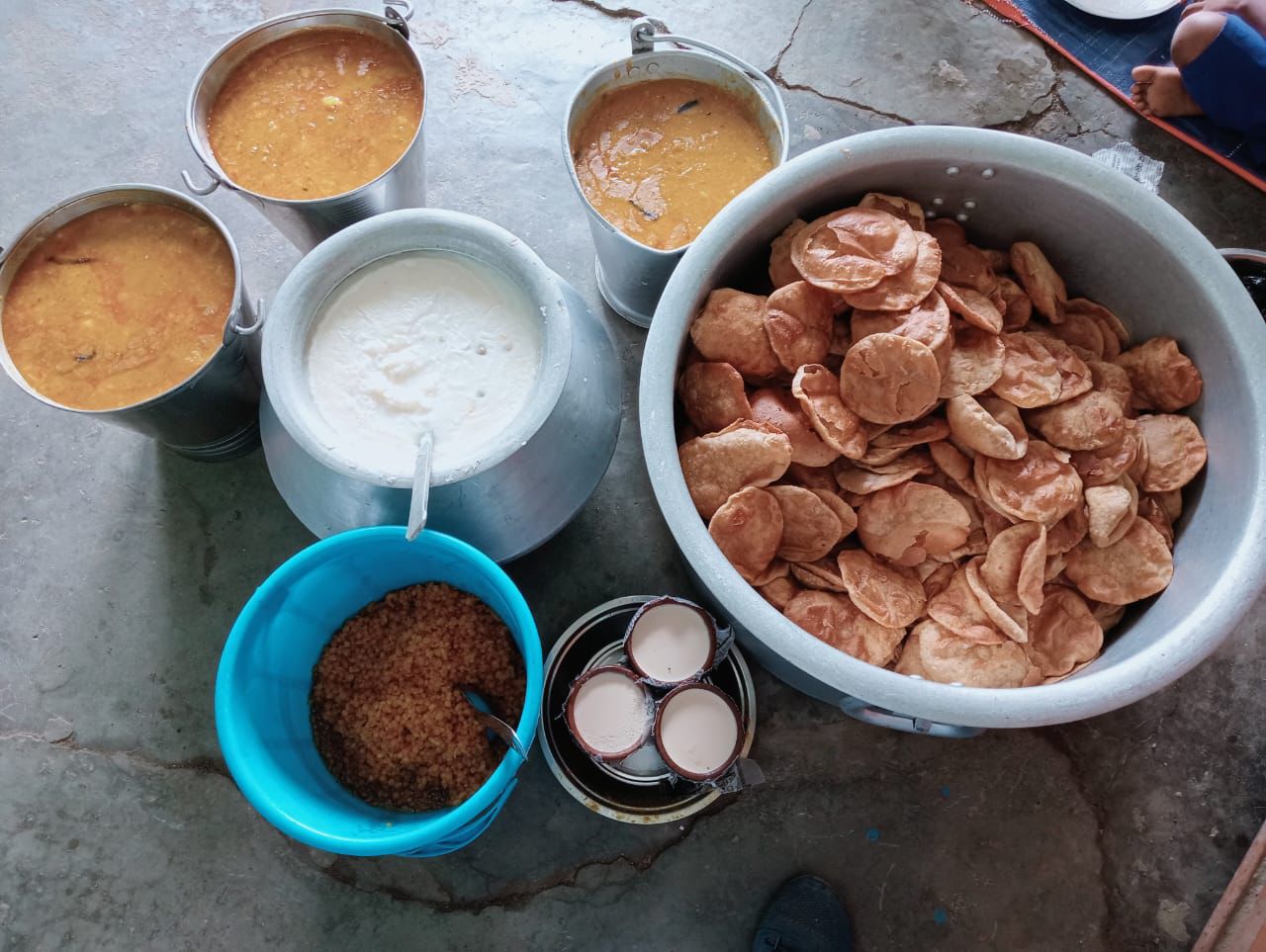
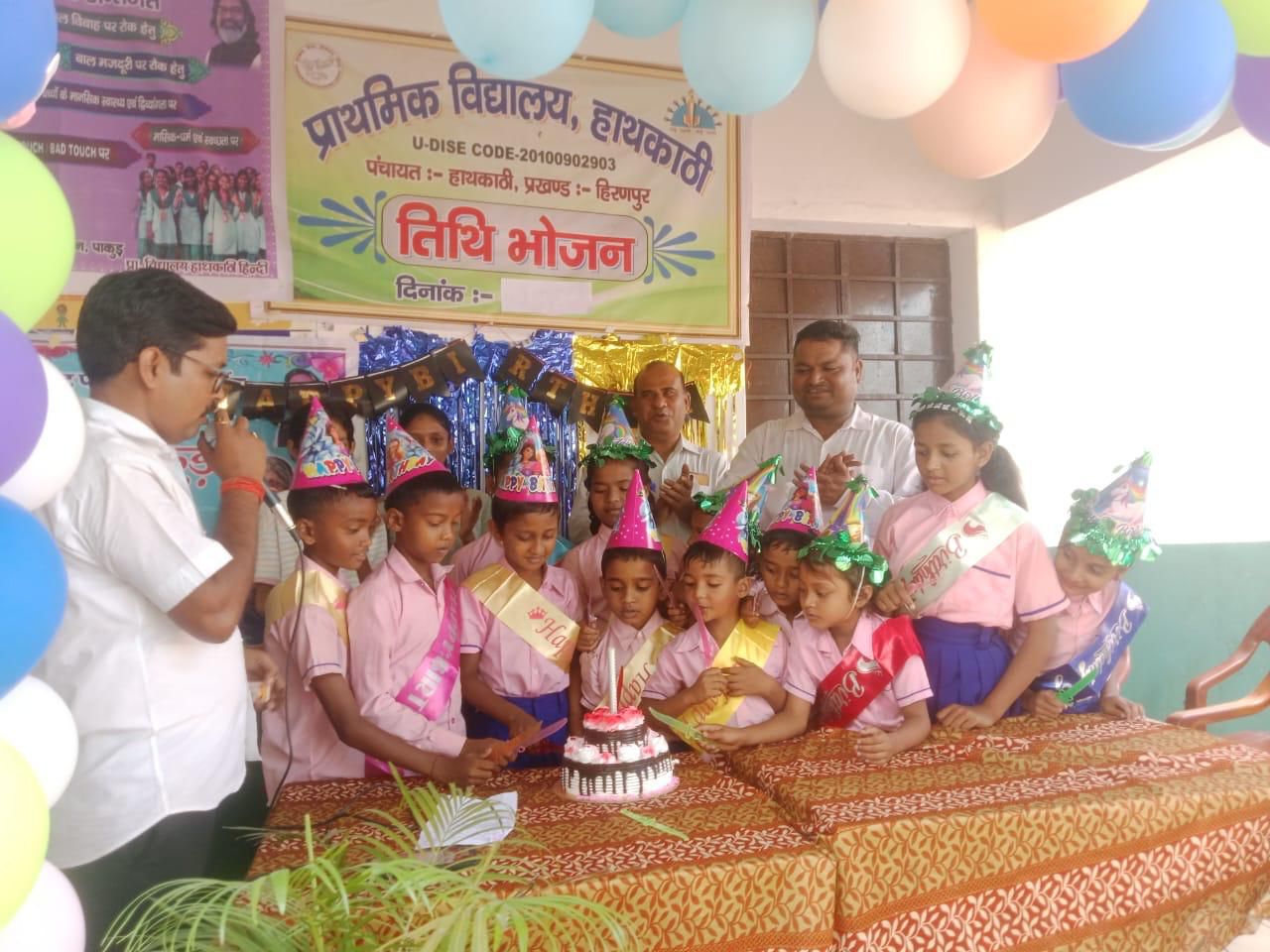
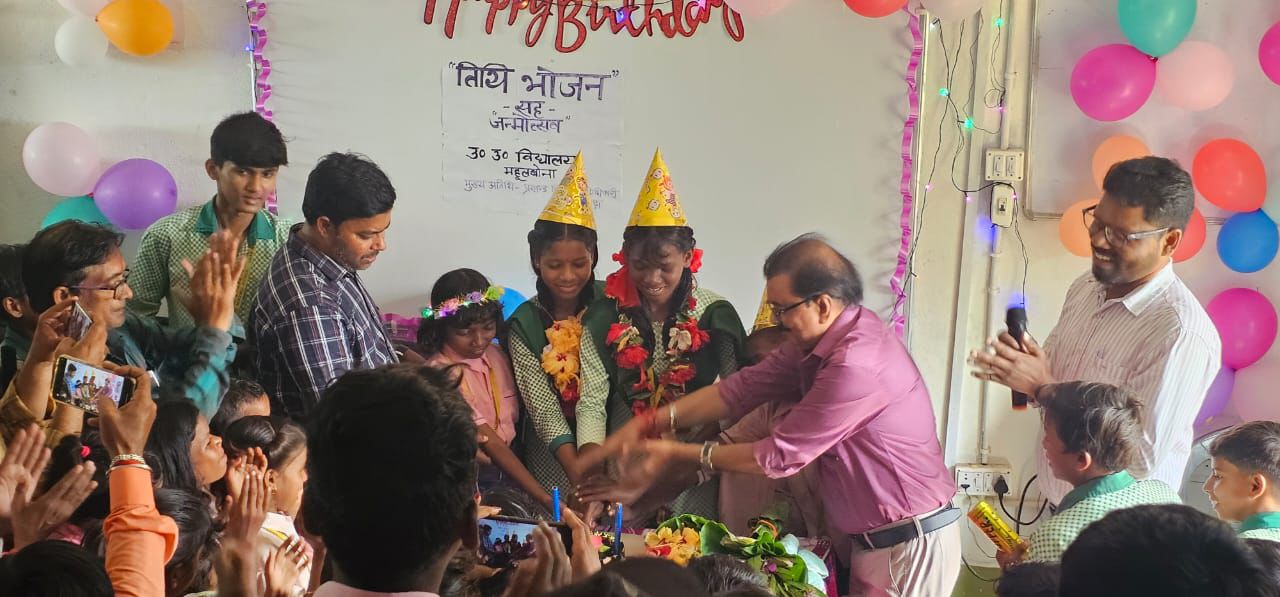
5. Tithi Bhoj-sah-Janmotsav
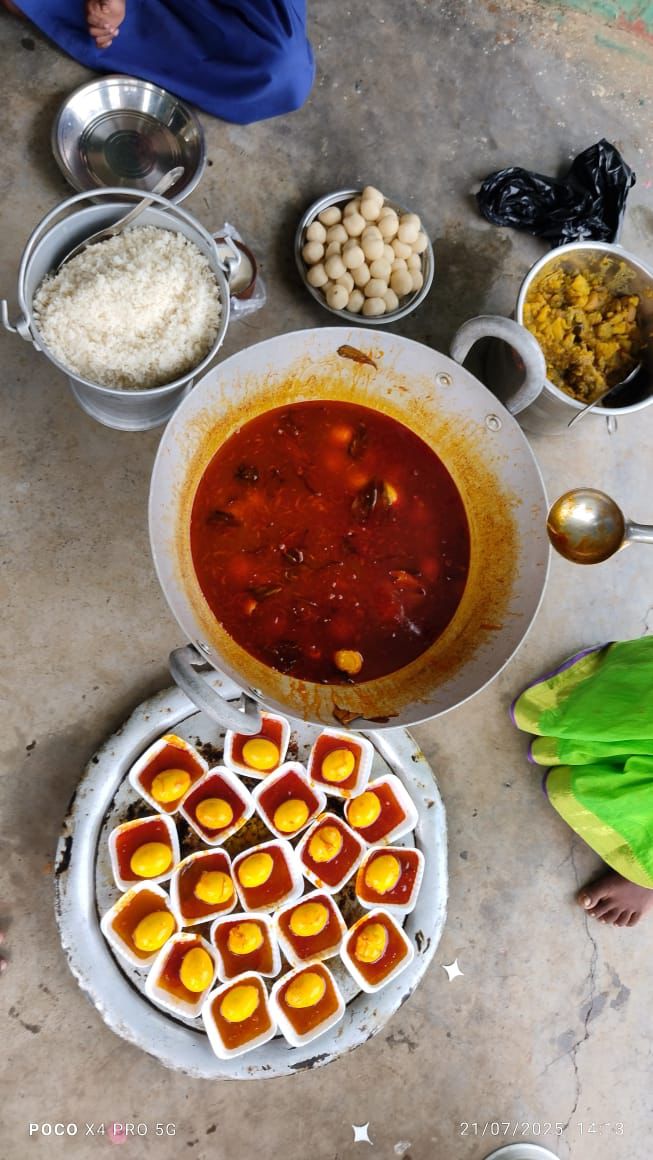
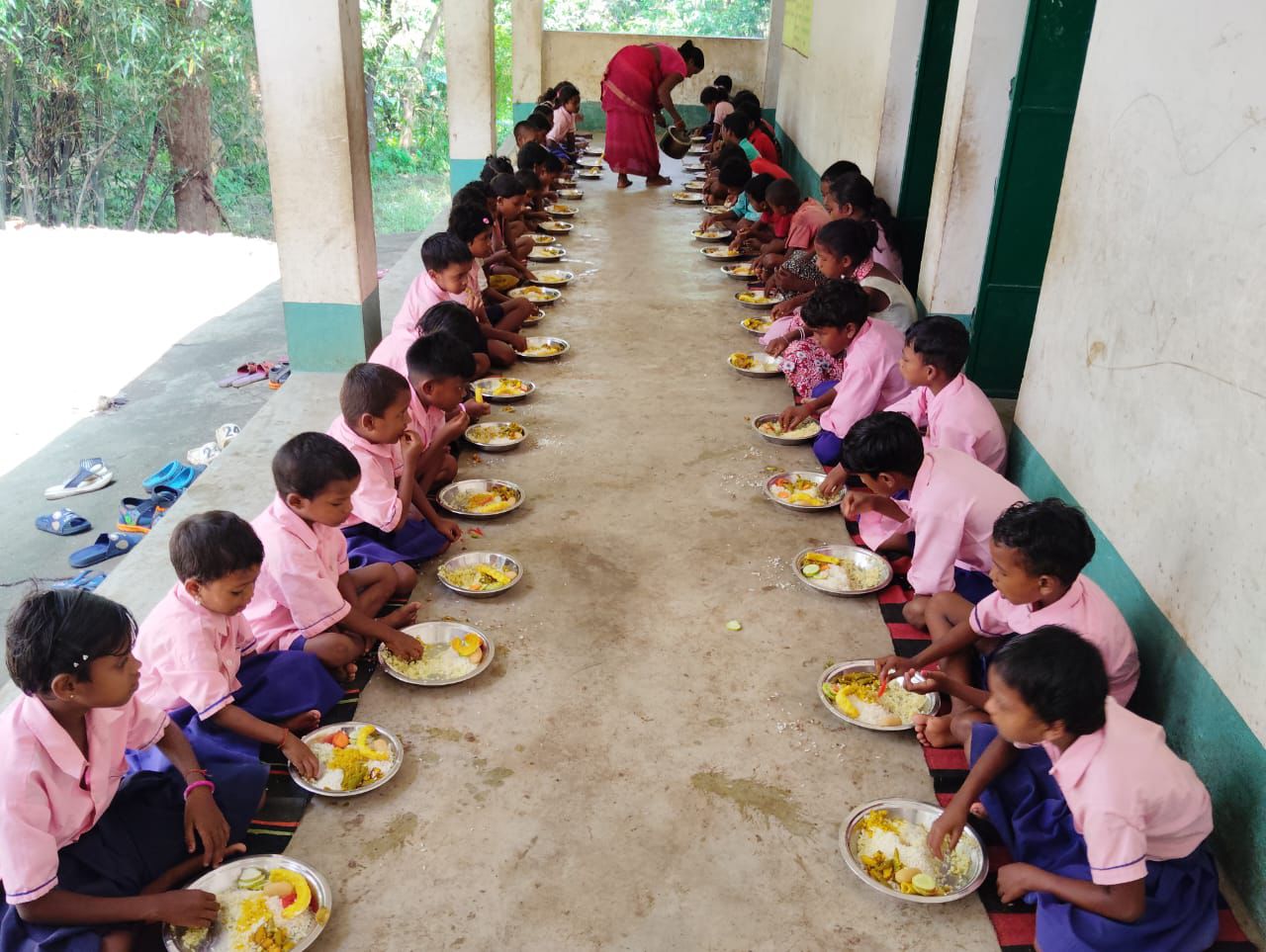
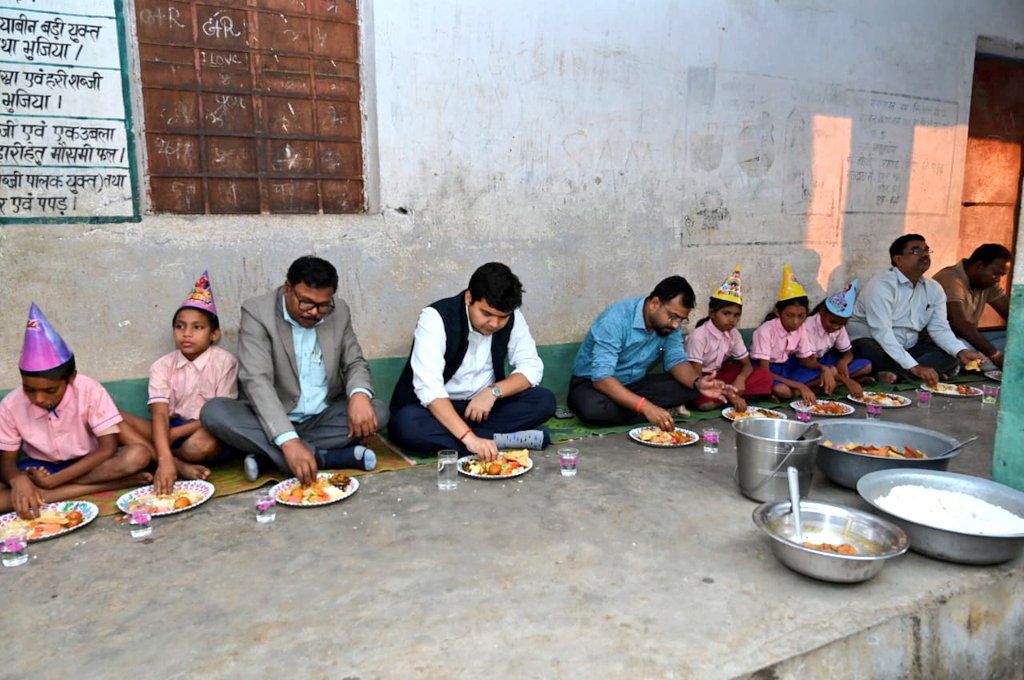
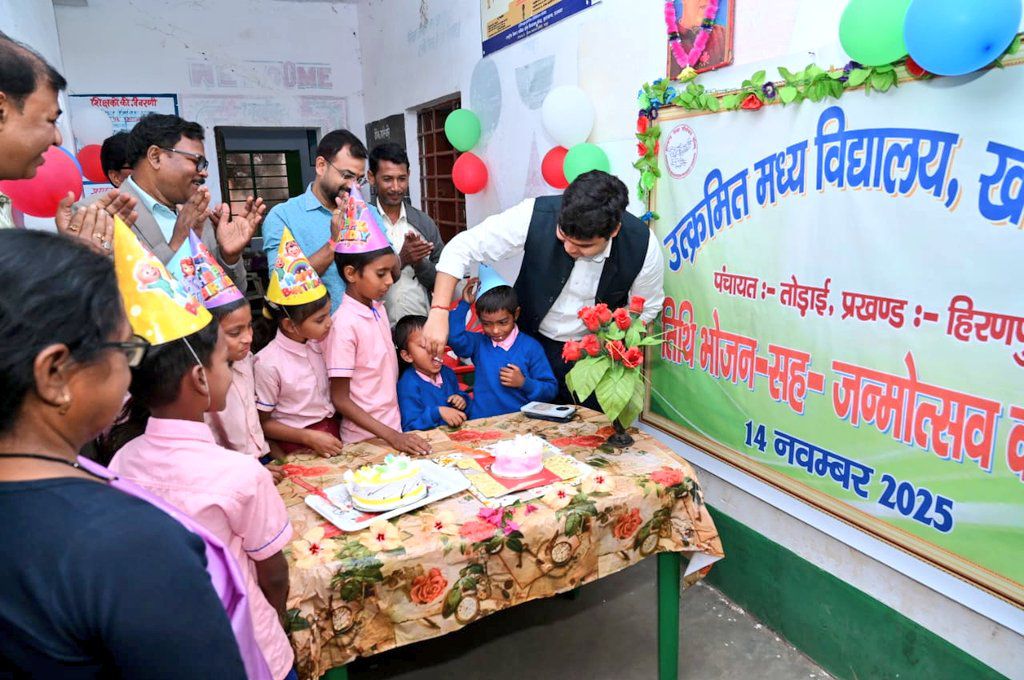
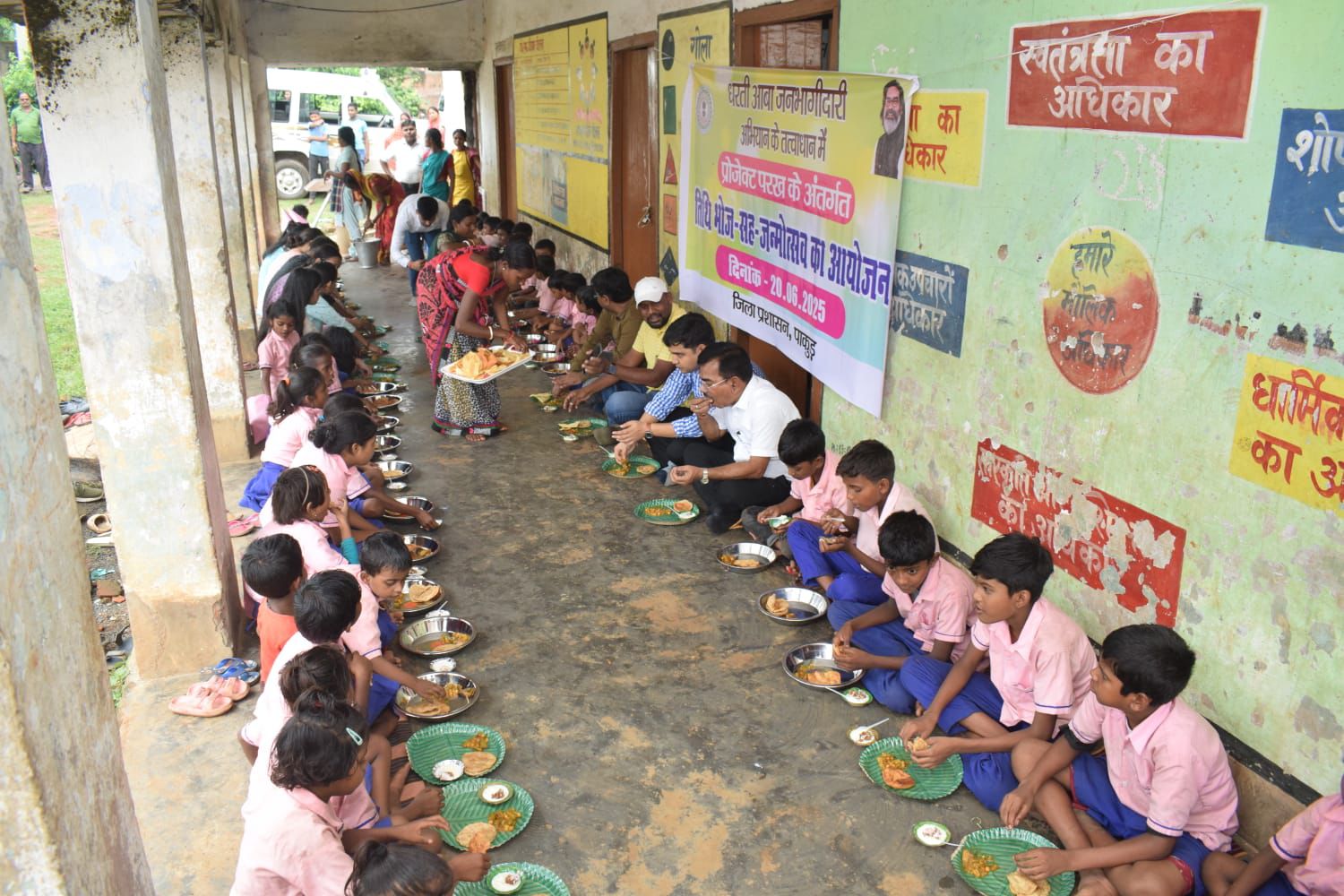
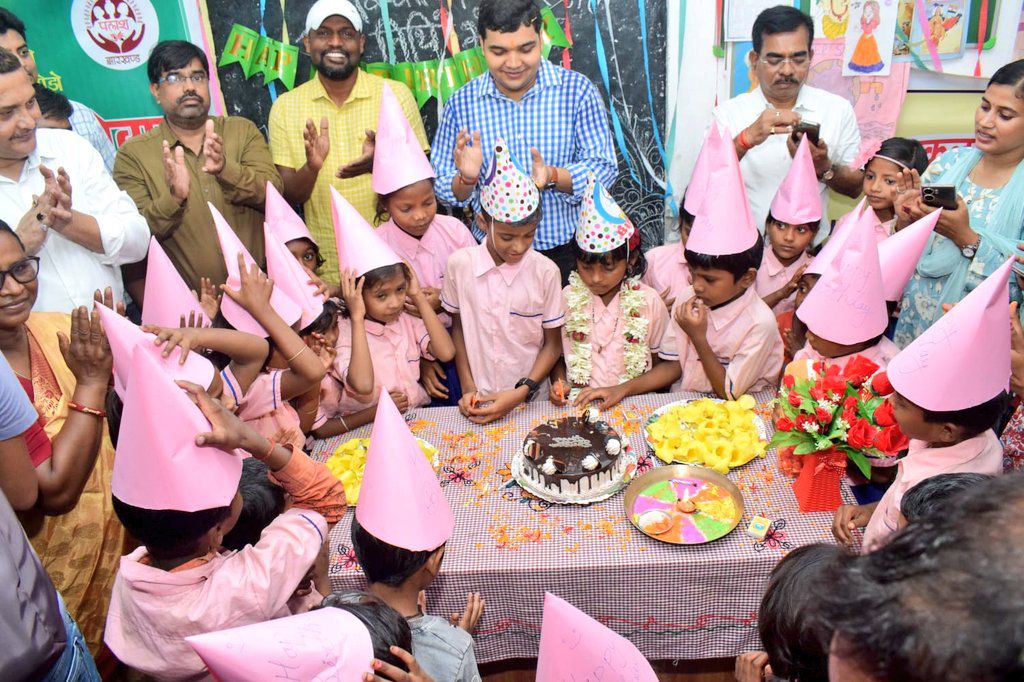
A joyful celebration of children’s birthdays and community meals where MPs, MLAs, Mukhiyas, SMCs, SHGs, and parents actively participate. It strengthens school–community relations, boosts motivation, improves attendance, and diversifies food baskets under PM POSHAN.
6. Bagless Day
Aligned with NEP 2020, this monthly activity-based learning day includes sports, crafts, experiments, and field exposure that nurture creativity, teamwork, and experiential learning.
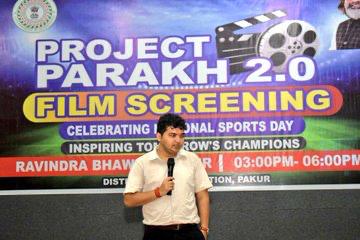
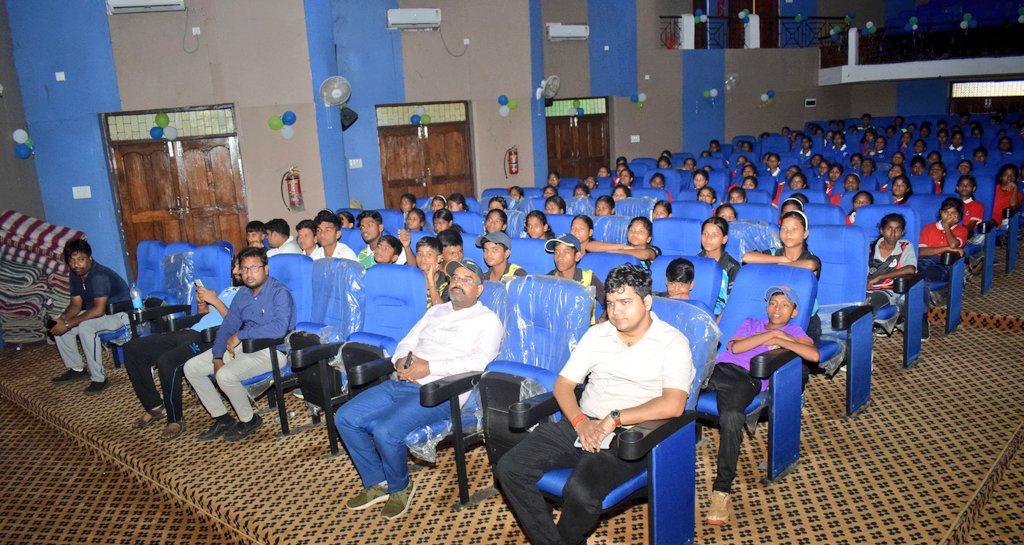
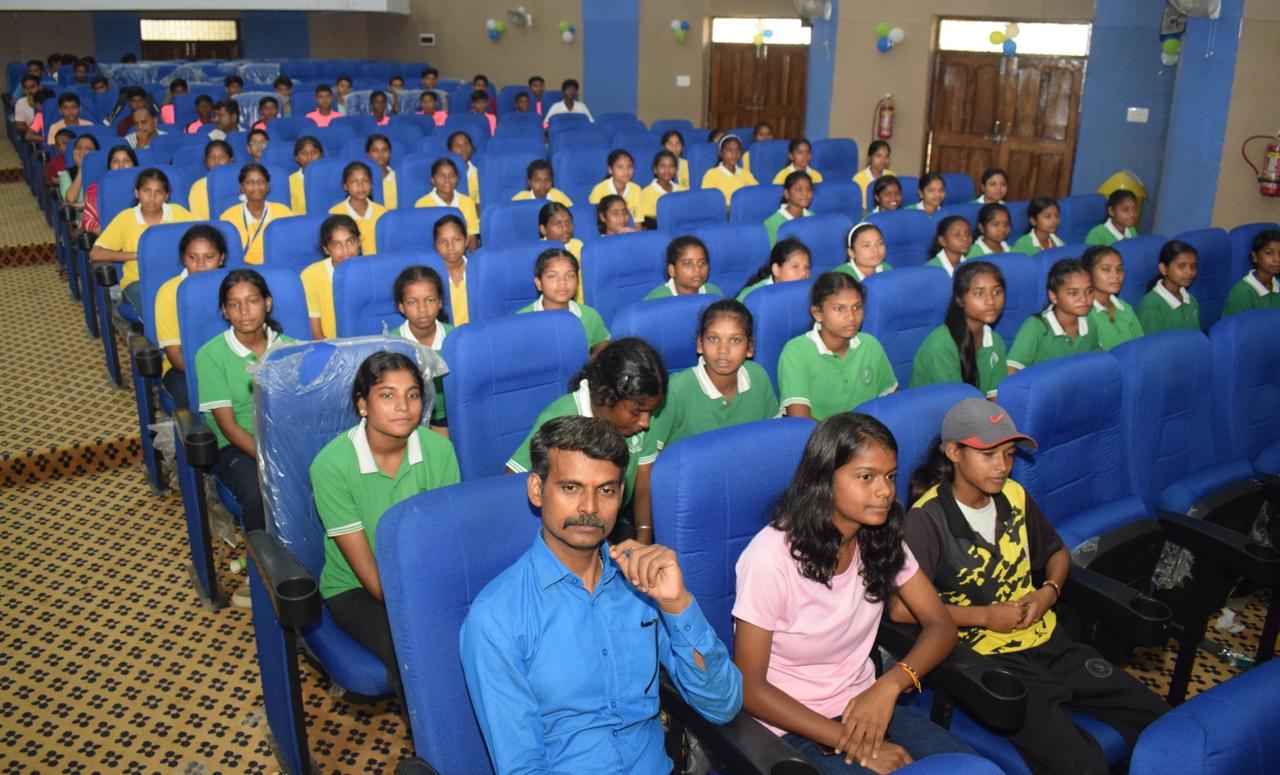
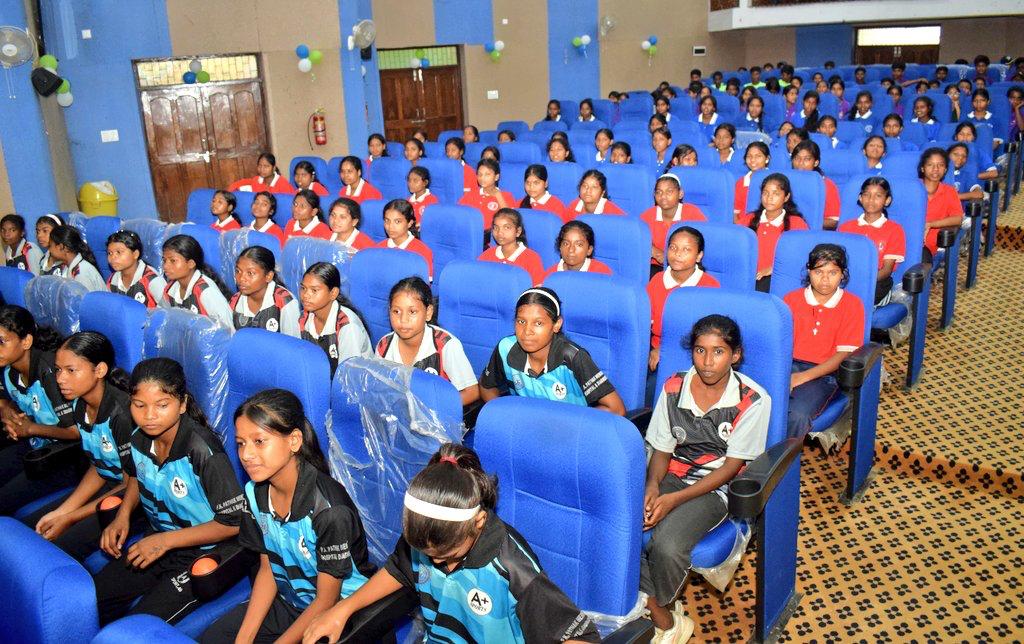
7. Movie of the Month
Screening of educational films to build moral values, enhance general awareness, and support visual, conceptual, and emotional learning.
8. Baat Toh Karni Hogi
A structured dialogue platform where students discuss sensitive social issues such as child labour, dowry, domestic violence, menstruation, mental health, and depression, encouraging emotional expression and social awareness.
9. Digital Ecosystem
A blended learning environment using:
• YouTube uploads of PARAKH booklet solution videos.
• Smart board-enabled teaching in classrooms.
• WhatsApp-based academic groups for teachers, parents, and students.
• Continuous digital capacity building for teachers.
This ensures accessible learning and supports continuity beyond classroom walls.
10. PARAKH Task Force & Monitoring System
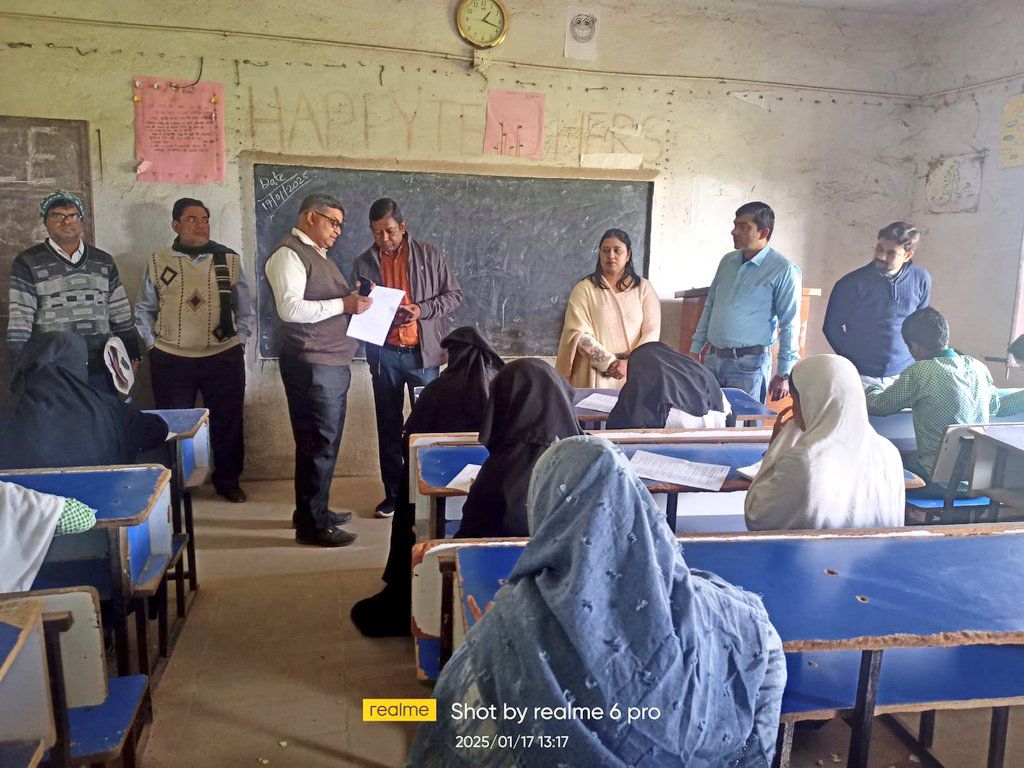
A dedicated team conducting frequent field visits, grievance redressal, monitoring weekly tests, and providing real-time academic support. The task force ensures accountability, responsiveness, and timely problem-solving.
11. B.Ed Internship Support System
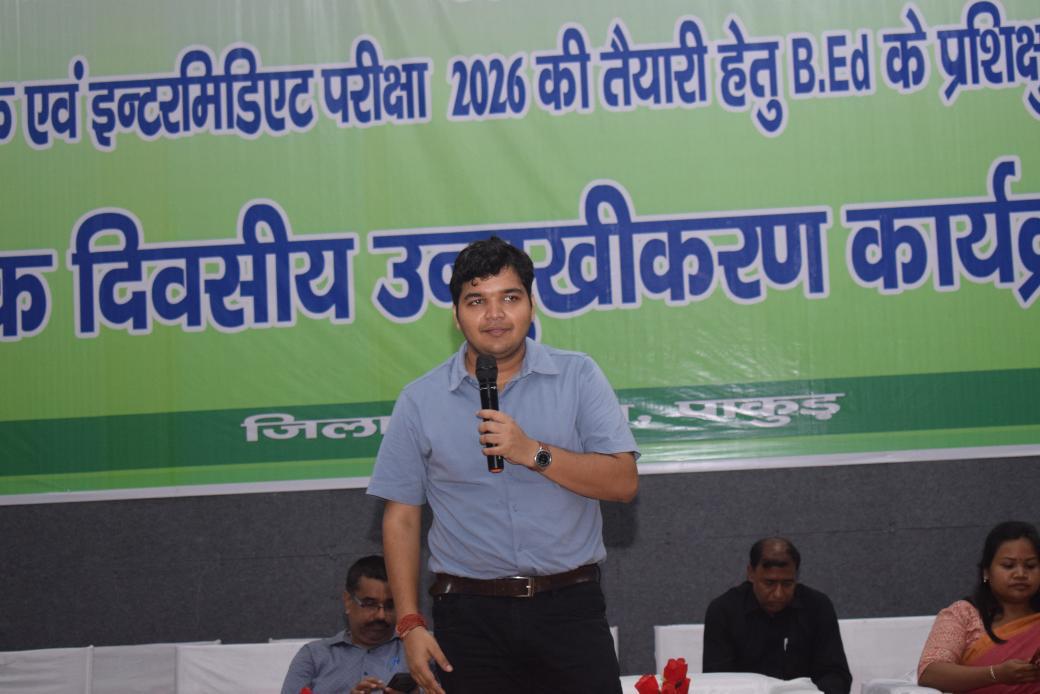
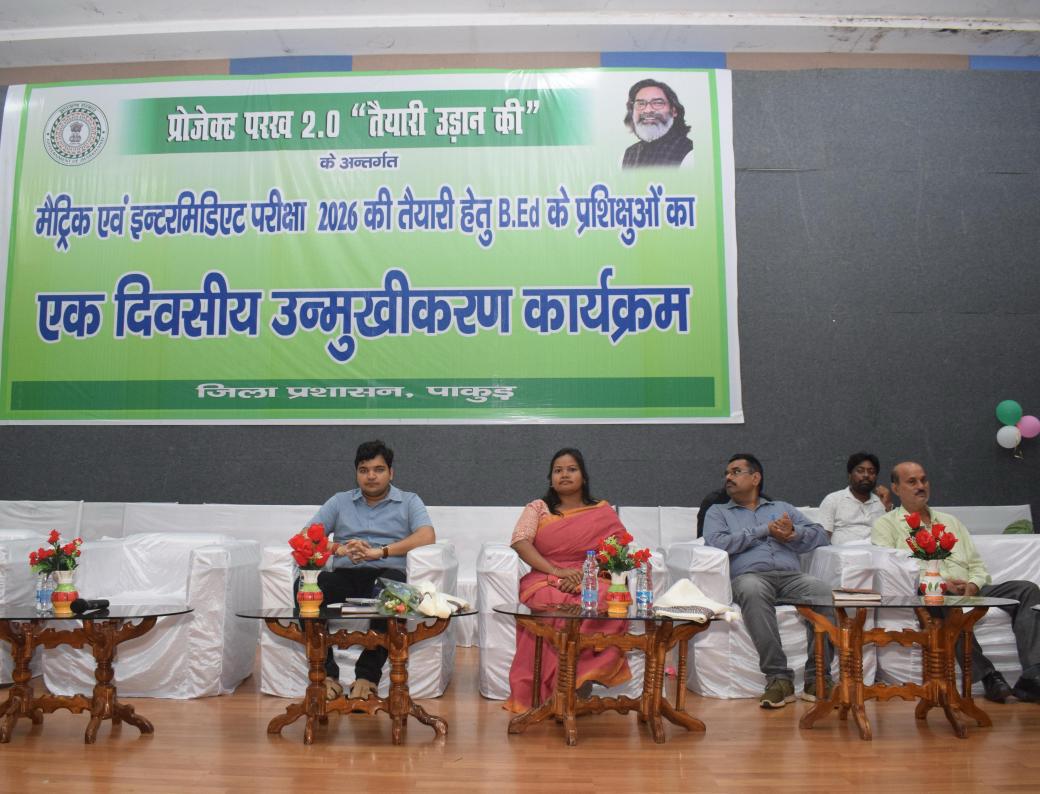
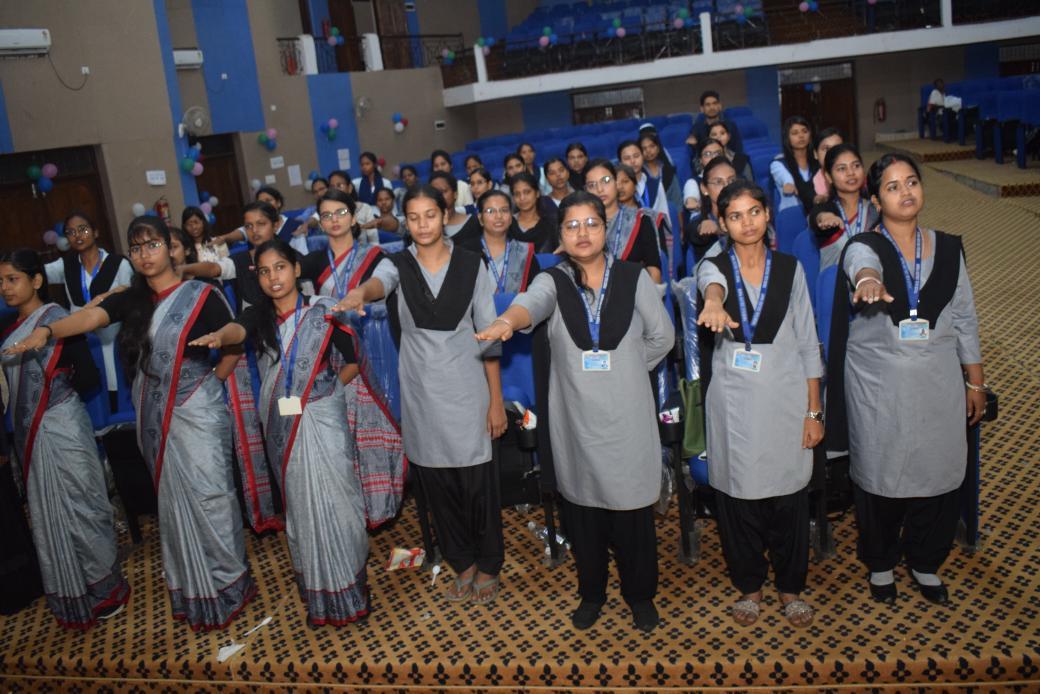
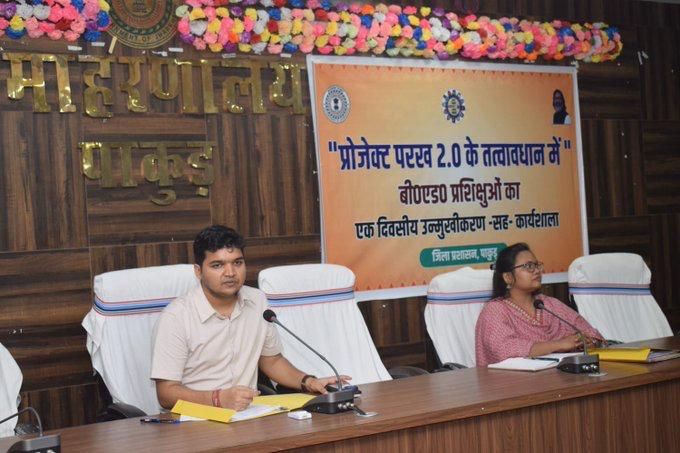
A strategic intervention to counter low PTR and single-teacher schools by deploying B.Ed interns based on subject-specific demand. This taps into local youth talent, strengthens classroom transactions, and ensures consistent academic support.
To break this cycle and rebuild the educational landscape, the district administration launched Project PARAKH – Padhai Aur Khel, a visionary, holistic, and community-driven reform model. Implemented in two progressive phases — PARAKH 1.0: “तैयारी उड़ान की” and PARAKH 2.0: “टॉप से टॉपर्स तक का सफर” — the initiative integrates structured academics, co-curricular exposure, digital learning, parental engagement, community participation, and behavioral transformation.
Importantly, PARAKH is not limited to improving academic performance; it seeks to restore the joy of learning by enriching school environments through Tithi Bhoj-sah-Janmotsav celebrations, Bagless Day, Movie of the Month, Yoga sessions, sports and art-based activities, and expressive platforms such as Bolega Pakur and Aaj Kya Seekhein. These initiatives nurture confidence, curiosity, emotional well-being, and a sense of belonging among students.
PARAKH also aligns strongly with national and state educational priorities, ensuring convergence with key frameworks such as the National Education Policy (NEP) 2020, Samagra Shiksha, PM POSHAN, School Chalein Hum, Beti Bachao Beti Padhao, and Jharkhand’s Learning Enhancement and community-participation programs. This integration ensures that reforms are systemic, sustainable, and aligned with broader goals of holistic, inclusive, and child-centric education.
Designed as a people-centric movement rather than a mere academic intervention, PARAKH democratizes learning, empowers students, strengthens teacher support systems, and transforms government schools into vibrant ecosystems of expression, confidence, and aspiration.
Key Components of PARAKH
1. PARAKH Booklet (Mock Test-Based Learning Resource)
A structured booklet containing CBSE and JAC-pattern mock test papers, curated question banks, and practice sets. It ensures syllabus completion, strengthens exam readiness, and provides standardized learning material across all schools—even in low-PTR and single-teacher settings.
2. Weekly Tests & Score Tracking
District-wide synchronized weekly assessments to build academic confidence, remove exam fear, identify learning gaps, and deliver targeted remedial support. These tests enhance consistency, discipline, and self-evaluation among students.
3. Aaj Kya Seekhein
An innovative home-learning reinforcement model where students narrate their daily learning to parents, who record short videos and upload them to school WhatsApp groups. This strengthens parent–child bonds, improves retention, and establishes accountability at home.
4. Bolega Pakur
A morning assembly platform where students speak on any topic of their choice, improving communication skills, public speaking, general awareness, and confidence. It nurtures expression, leadership, and a culture of free thinking.
5. Tithi Bhoj-sah-Janmotsav
A joyful celebration of children’s birthdays and community meals where MPs, MLAs, Mukhiyas, SMCs, SHGs, and parents actively participate. It strengthens school–community relations, boosts motivation, improves attendance, and diversifies food baskets under PM POSHAN.
6. Bagless Day
Aligned with NEP 2020, this monthly activity-based learning day includes sports, crafts, experiments, and field exposure that nurture creativity, teamwork, and experiential learning.
7. Movie of the Month
Screening of educational films to build moral values, enhance general awareness, and support visual, conceptual, and emotional learning.
8. Baat Toh Karni Hogi
A structured dialogue platform where students discuss sensitive social issues such as child labour, dowry, domestic violence, menstruation, mental health, and depression, encouraging emotional expression and social awareness.
9. Digital Ecosystem
A blended learning environment using:
• YouTube uploads of PARAKH booklet solution videos.
• Smart board-enabled teaching in classrooms.
• WhatsApp-based academic groups for teachers, parents, and students.
• Continuous digital capacity building for teachers.
This ensures accessible learning and supports continuity beyond classroom walls.
10. PARAKH Task Force & Monitoring System
A dedicated team conducting frequent field visits, grievance redressal, monitoring weekly tests, and providing real-time academic support. The task force ensures accountability, responsiveness, and timely problem-solving.
11. B.Ed Internship Support System
A strategic intervention to counter low PTR and single-teacher schools by deploying B.Ed interns based on subject-specific demand. This taps into local youth talent, strengthens classroom transactions, and ensures consistent academic support.
Vision
To build an inclusive, equitable, and vibrant learning ecosystem where every child—from the remotest village to the most vulnerable background—receives quality education, holistic development, and opportunities to excel. The vision is to create schools where children are not compelled to attend, but joyfully walk in because they feel safe, valued, inspired, and emotionally connected to their learning environment—ultimately transforming Pakur into a model district for educational excellence.
Mission
To revolutionize government school education in Pakur by integrating structured academics, engaging co-curricular activities, digital learning, and community participation. The mission is to nurture an ecosystem where students experience real value addition every day—through joyful learning, meaningful relationships, and supportive environments—so that attendance becomes a natural outcome of curiosity, confidence, and aspiration. PARAKH aims to strengthen foundational learning, build self-belief, and empower every child to dream beyond limitations and pursue higher academic and career goals.
Project Objectives
- Enhance foundational learning through PARAKH Booklets, weekly assessments, and structured classroom processes.
- Strengthen student engagement via Aaj Kya Seekhein, where children share daily learning with parents; where parents record and send videos showcasing their child’s learning and Bolega Pakur
- Improve community ownership through Tithi Bhoj-sah-Janmotsav, SMC participation, and involvement of MP/MLA, Mukhiyas, PRI members, SHGs.
- Promote joyful learning via Movie of the Month, Bagless Day, arts & sports activities.
- Enhance communication culture through Baat Toh Karni Hogi, encouraging teacher–student/parent conversations.
- Bridge learning gaps using focused remedial sessions and psychometric profiling.
- Integrate digital learning through YouTube-based solutions and district-level WhatsApp academic forums.
- Improve school governance via the PARAKH Task Force, enhanced PTMs, and strengthened monitoring.
- Facilitate convergence with central/state schemes—PM POSHAN, Samagra Shiksha, NEP 2020,Phir Se School Chalein Hum—ensuring holistic growth.
- Build a sustainable community-driven learning ecosystem that places the child at the center.
Key Achievements
-
Substantial Academic Improvement• Class X Pass Rate: Rose from 86.73% (2024) to 96.83% (2025)—a 10.1% increase in just 3 months. • District rank in Class X shifted from 22nd to 2nd statewide. • Class XII results improved sharply: o Arts: 86.78% → 92.42% o Science: 59.41% → 76.02% o Commerce: 94.5% → 96.29%
-
Transformational Tools & Pedagogy• The PARAKH Booklet became a standardized learning material widely used across Sahibganj, Godda, Dumka, Jamtara, and Deoghar, with YouTube solution videos crossing 100K+ views, promoting digital democratization. • Weekly PARAKH tests ensured continuous assessment and reduced exam fear. • B.Ed Interns effectively addressed low PTR and improved teaching-learning outcomes.
-
Attendance & Engagement Boom• The PARAKH Booklet became a standardized learning material widely used across Sahibganj, Godda, Dumka, Jamtara, and Deoghar, with YouTube solution videos crossing 100K+ views, promoting digital democratization. • Weekly PARAKH tests ensured continuous assessment and reduced exam fear. • B.Ed Interns effectively addressed low PTR and improved teaching-learning outcomes.
-
Attendance & Engagement Boom• Attendance rose from 42% → 58% → 71%+, reflecting higher motivation and improved school culture. • Tithi Bhoj-sah-Janmotsav, Movie of the Month, and Bagless Day across 900+ schools significantly enhanced student enthusiasm and community participation.
-
Empowerment & Inclusivity• Girls achieved near parity with boys, with ~60% securing first division in Class X. • Pink blazers for girl ambassadors under Beti Bachao Beti Padhao and blue blazers for Baal Sansad promoted leadership and democratization. • PVTG, CwSN, and Madarsa students actively included in exposure visits, orientations, and academic guidance.
-
Platforms for Expression & Life Skills• Bolega Pakur: daily discussions in assemblies building confidence and communication. • Aaj Kya Seekhe: parent-child academic interactions strengthening household learning. • School Ke Panne, Baat Toh Karni Hogi & Student Help Groups encouraged writing, reflection, and dialogue on issues like early marriage, mental stress, and child labour.
-
Strengthened Community Ownership• Tithi Bhoj saw active participation of MP, MLA, Mukhiya, PRI members, SHGs and SMCs. • A district-wide Jan Bhagidari model ensured sustainable operations and long-term ownership.
-
Health, Wellness & Nutrition• RBSKY camps, handwash stations, incinerators, and yoga sessions improved student health. • PM POSHAN outcomes strengthened through diversified food baskets and community contribution.
-
Sustainable & Scalable Model• Baal Bhoj replicating Tithi Bhoj has begun in Anganwadi centres. • PARAKH’s model is being adopted by neighboring districts and recognized as a replicable framework.
Photo Gallery
PARAKH BOOKLET
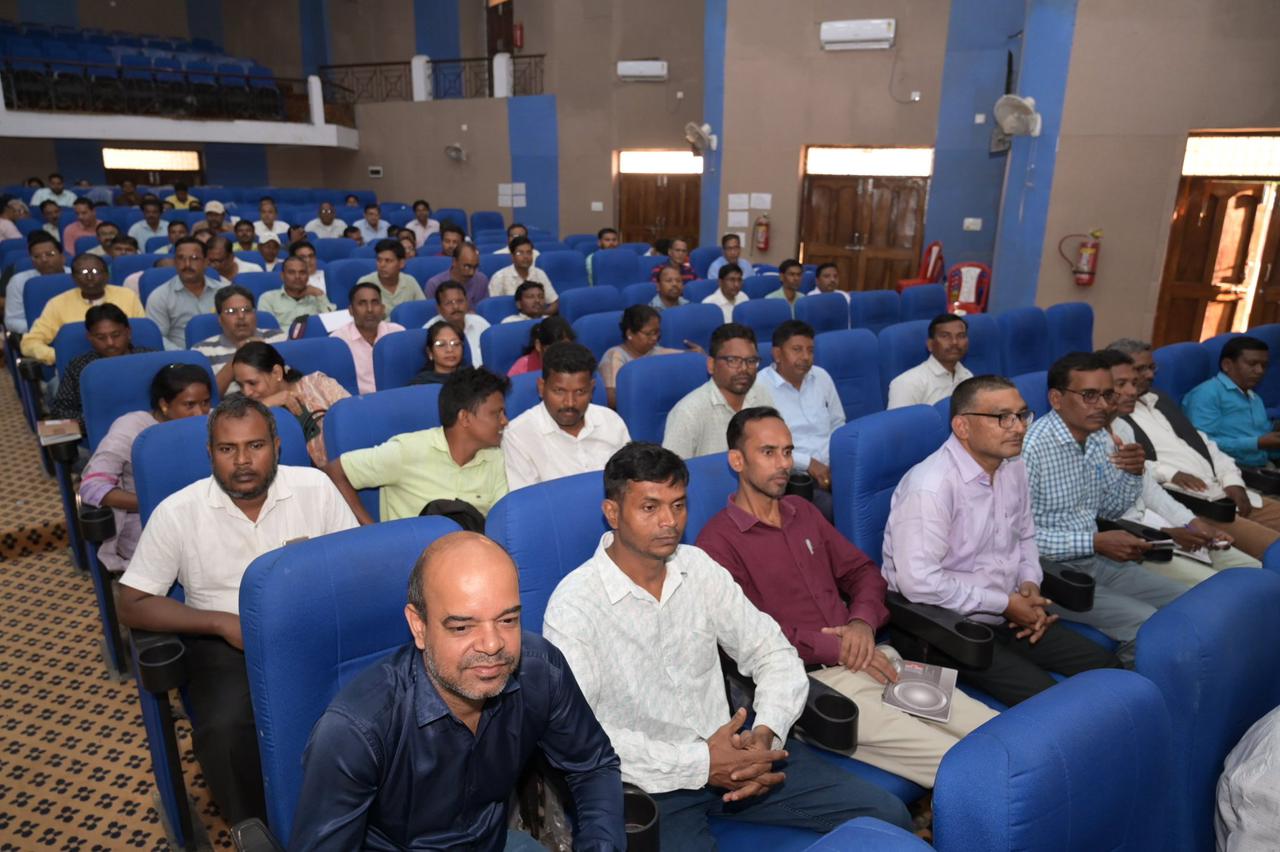
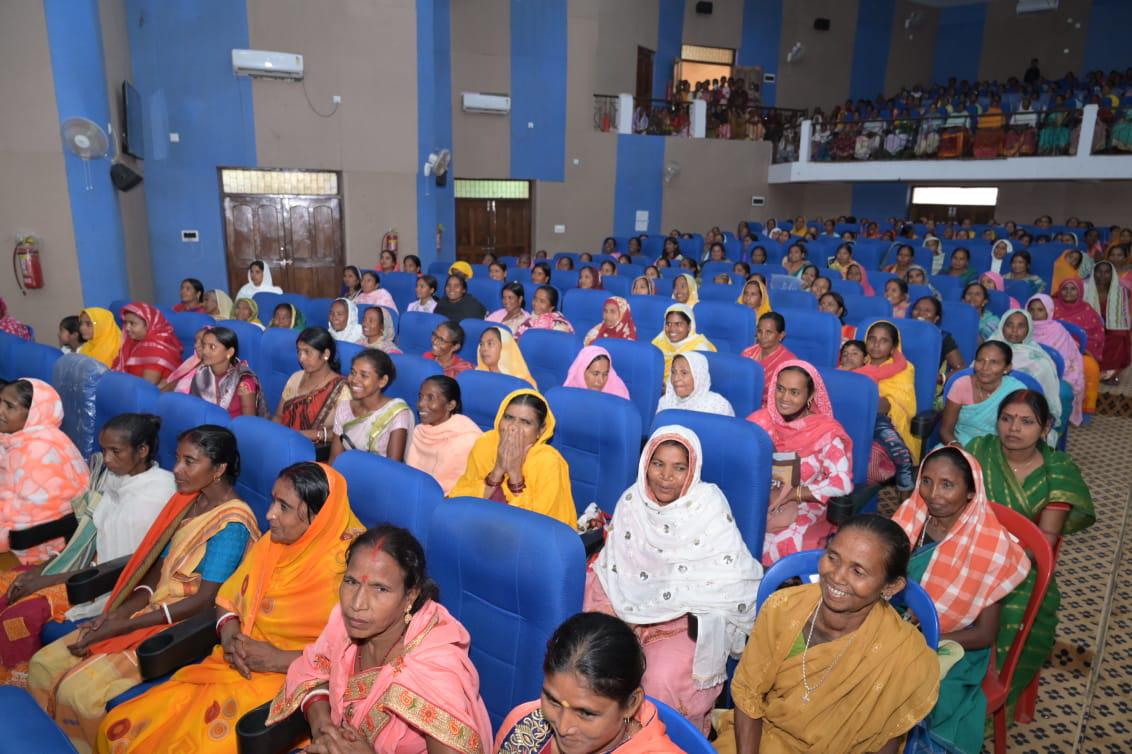
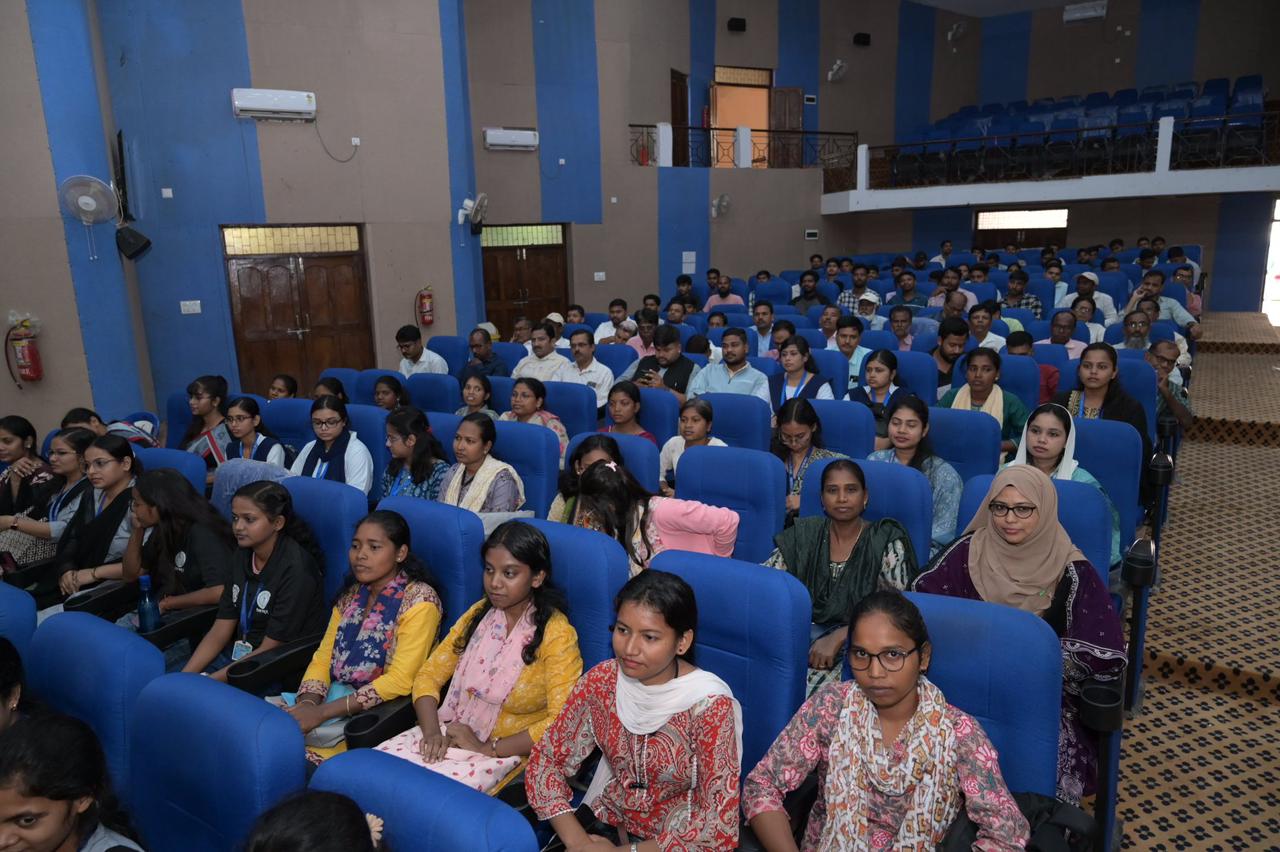
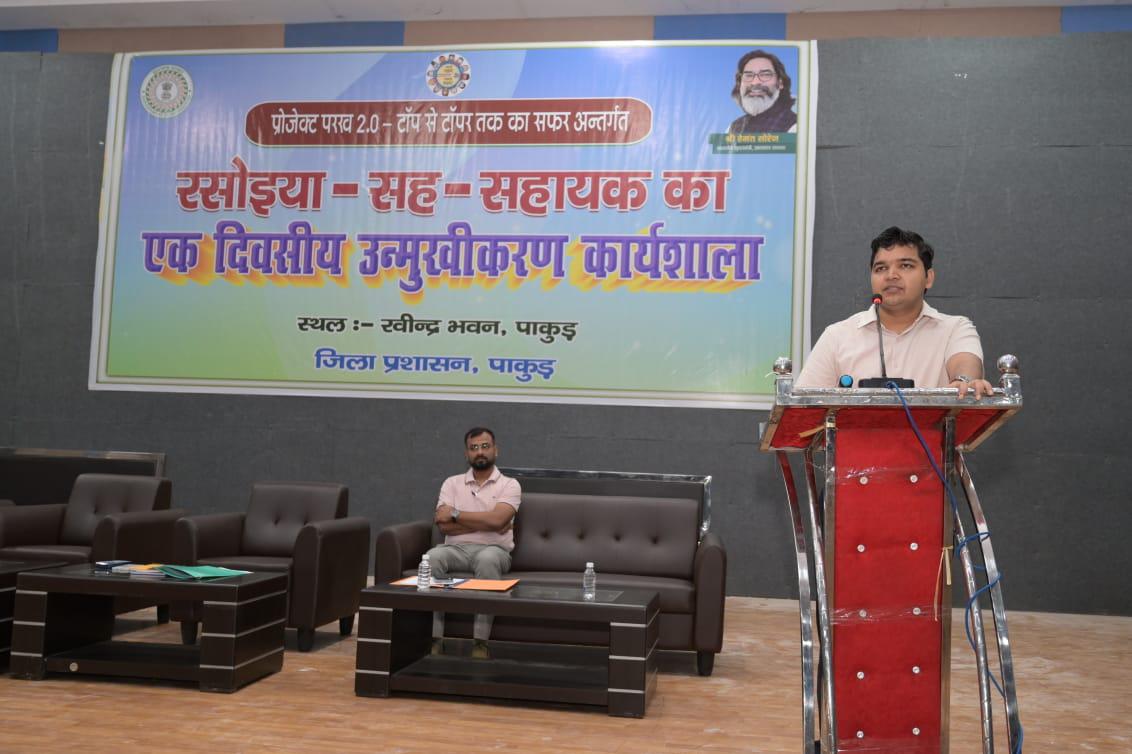
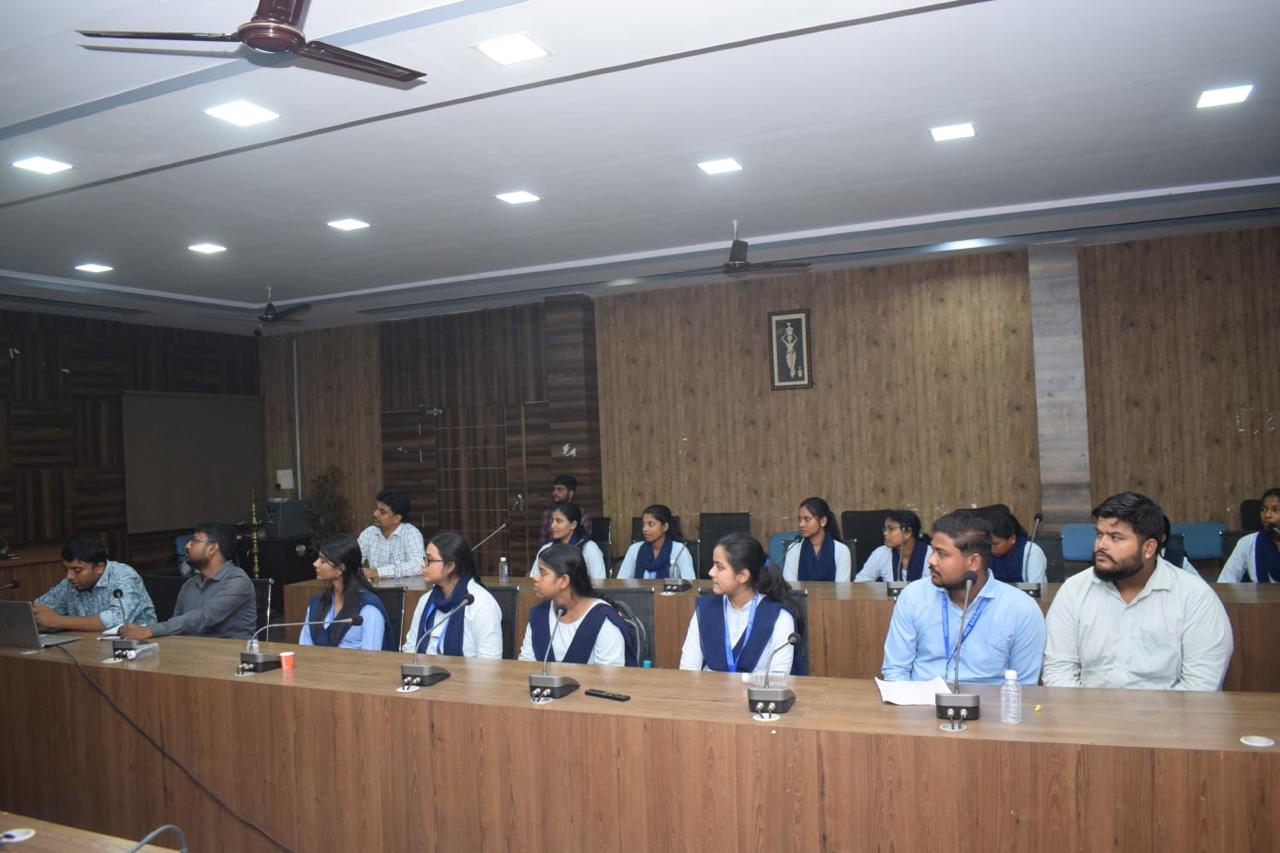
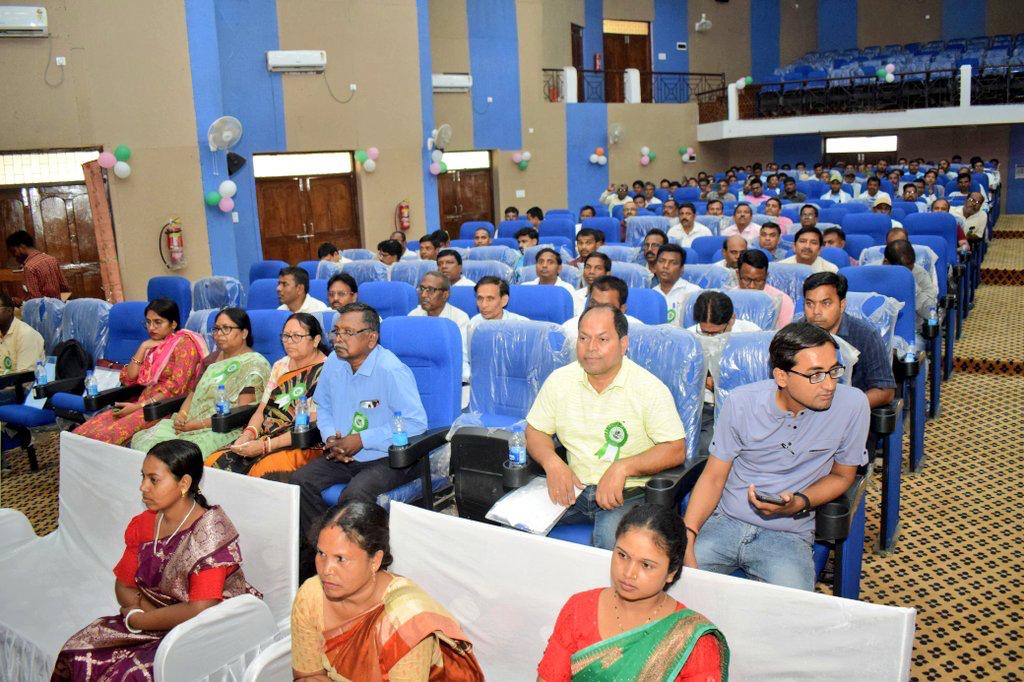
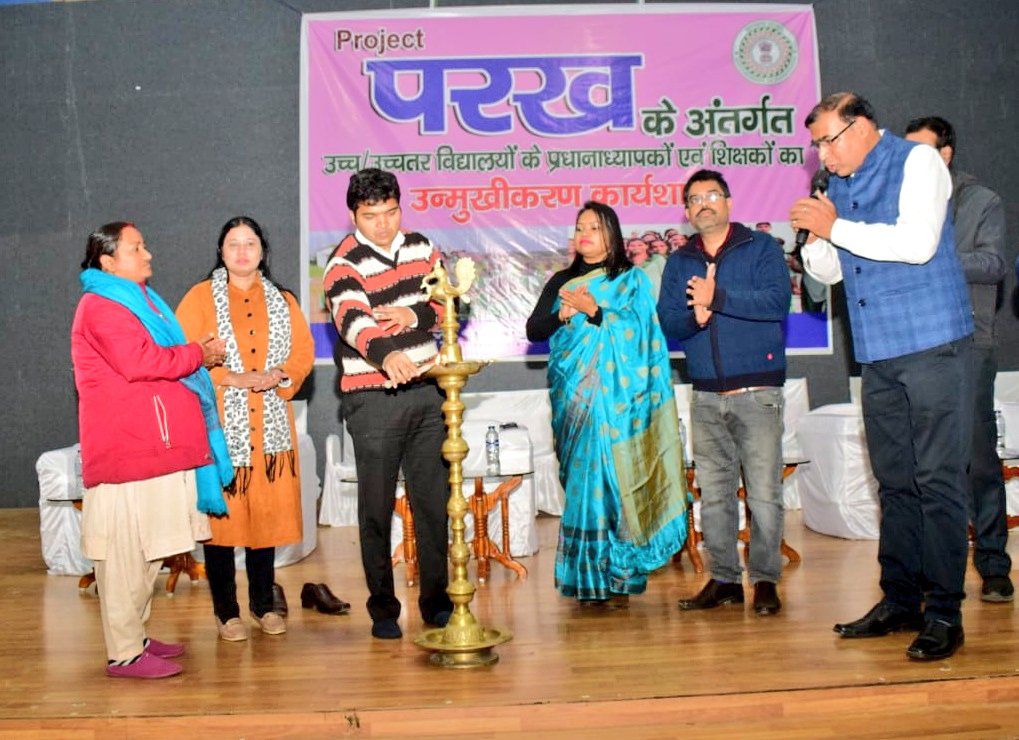
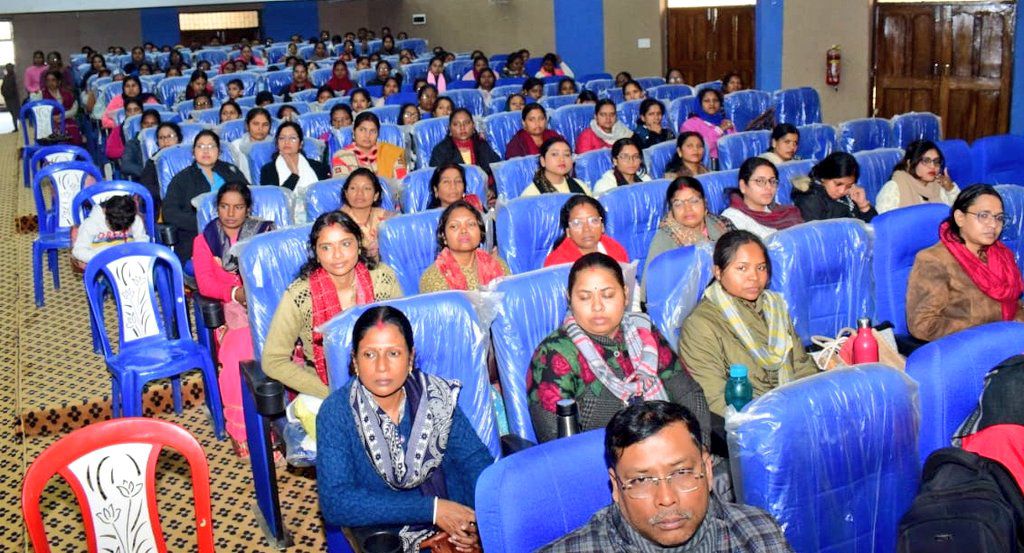
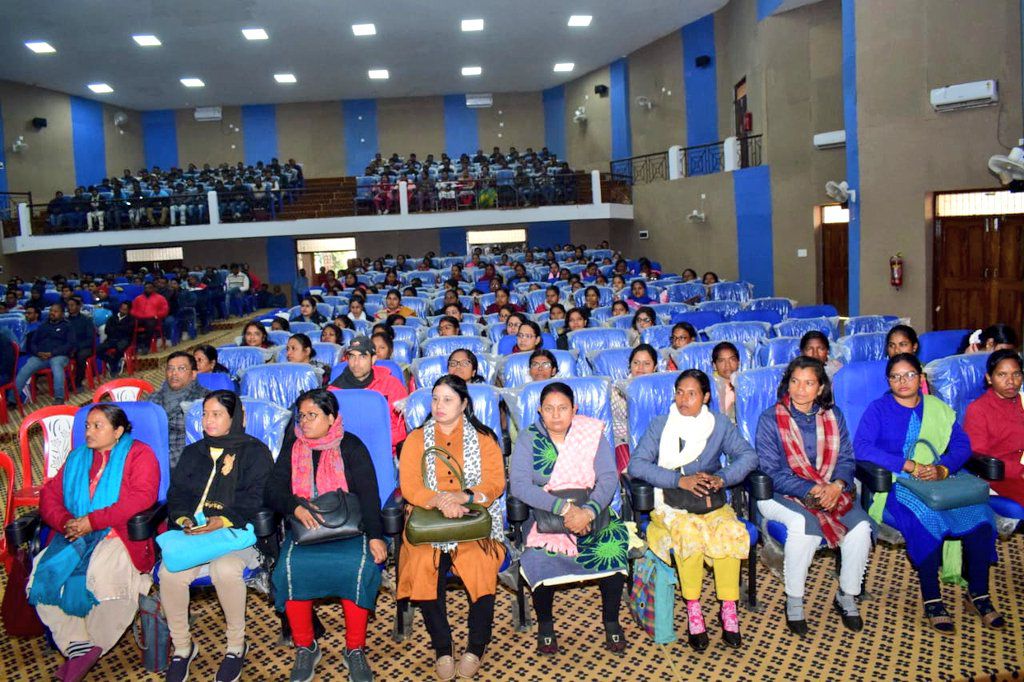
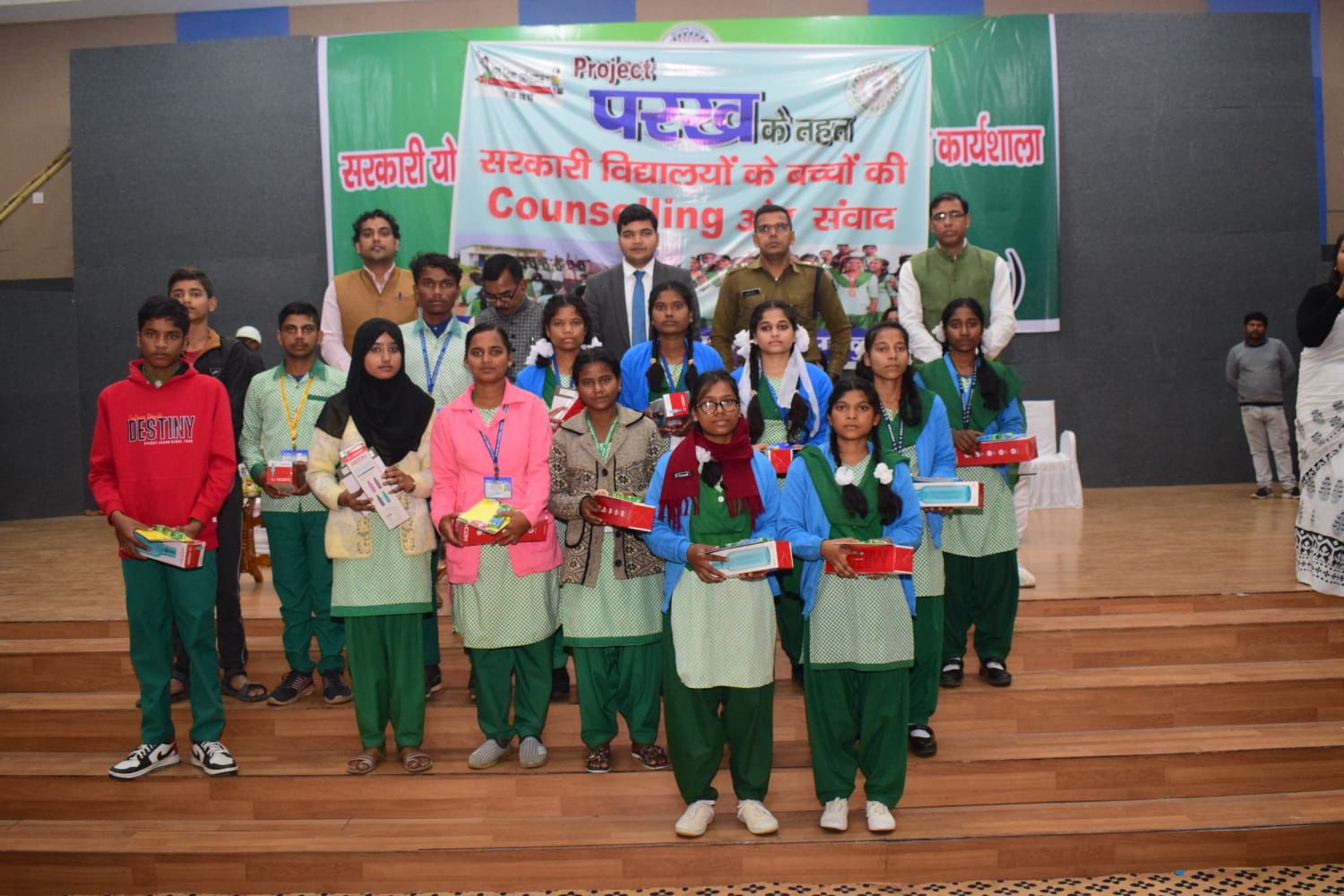
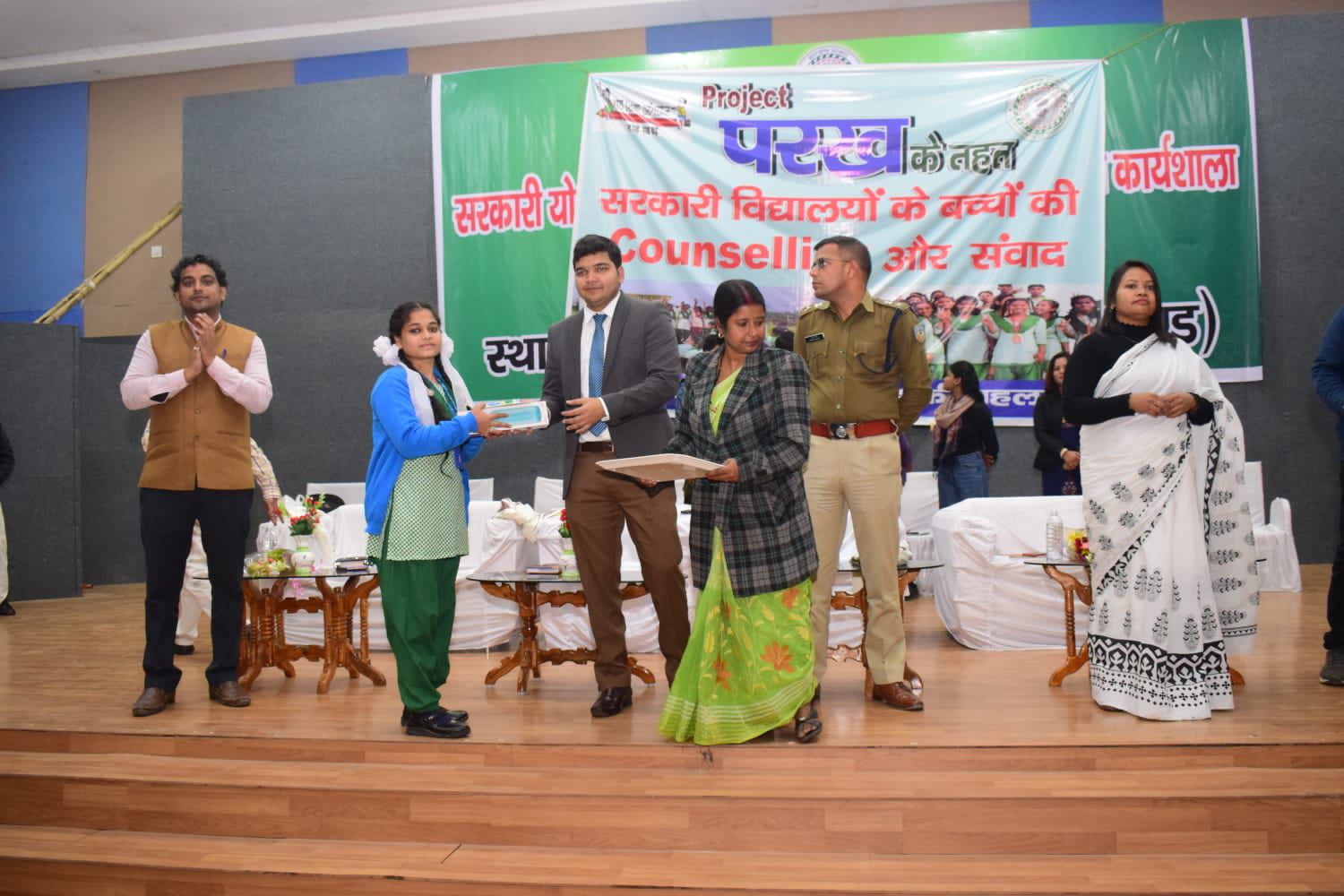
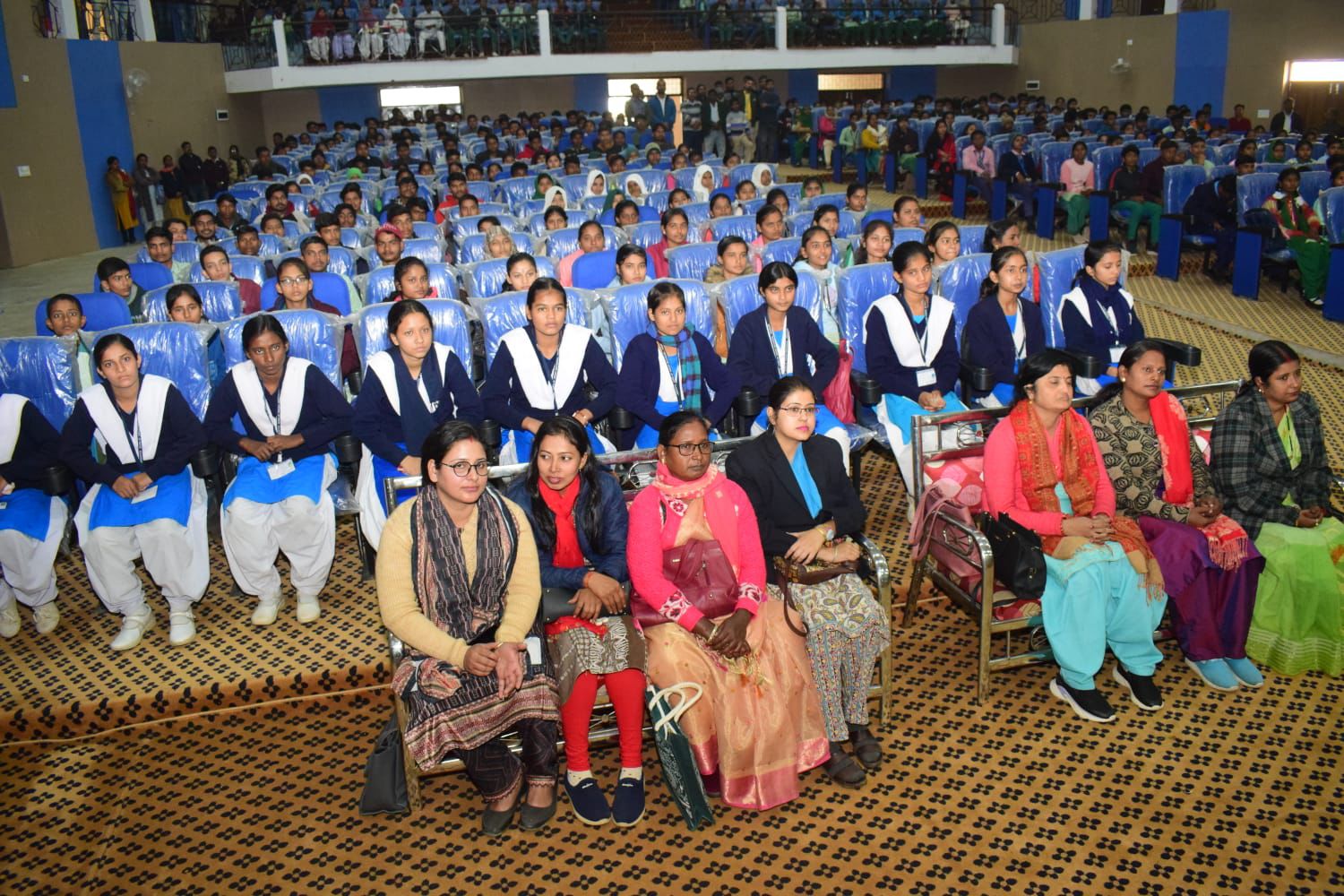
ORIENTATION -CUM- WORKSHOP
.jpeg)
.jpeg)
.jpeg)
.jpeg)
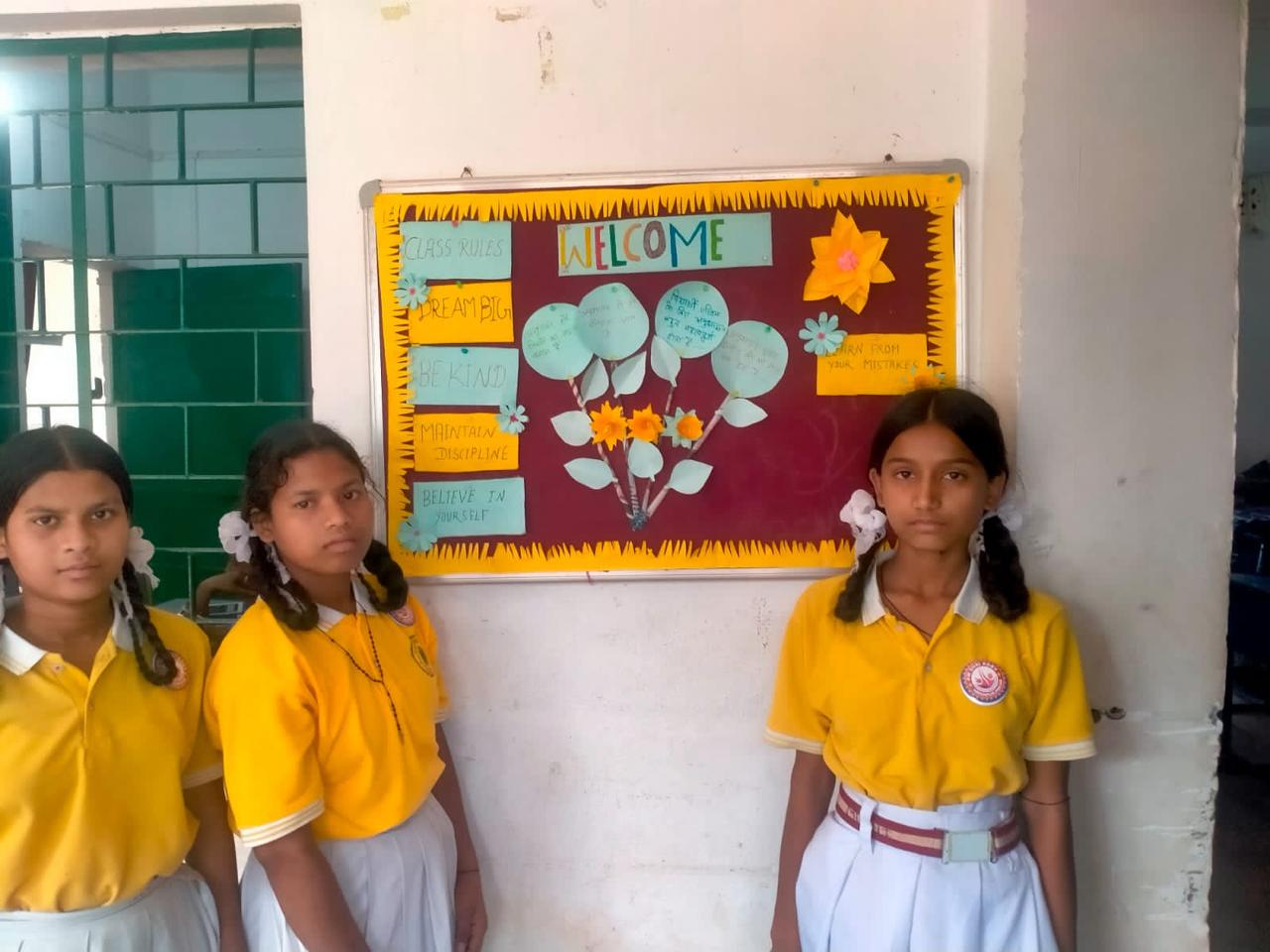
SUMMAR CAMP
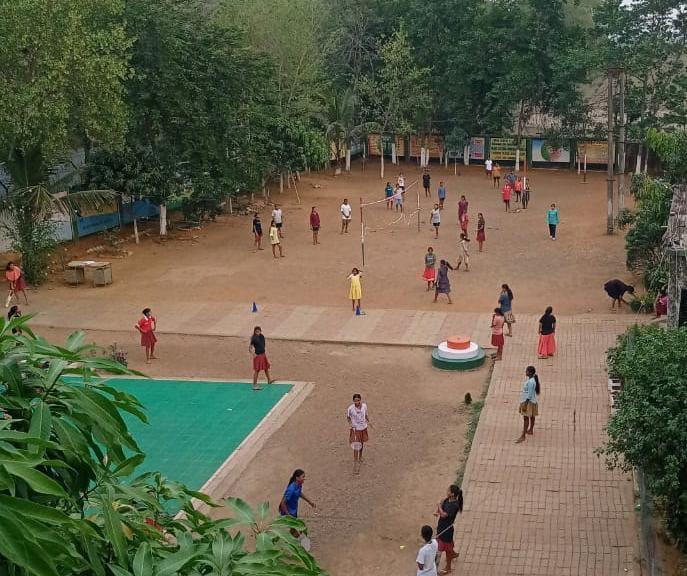
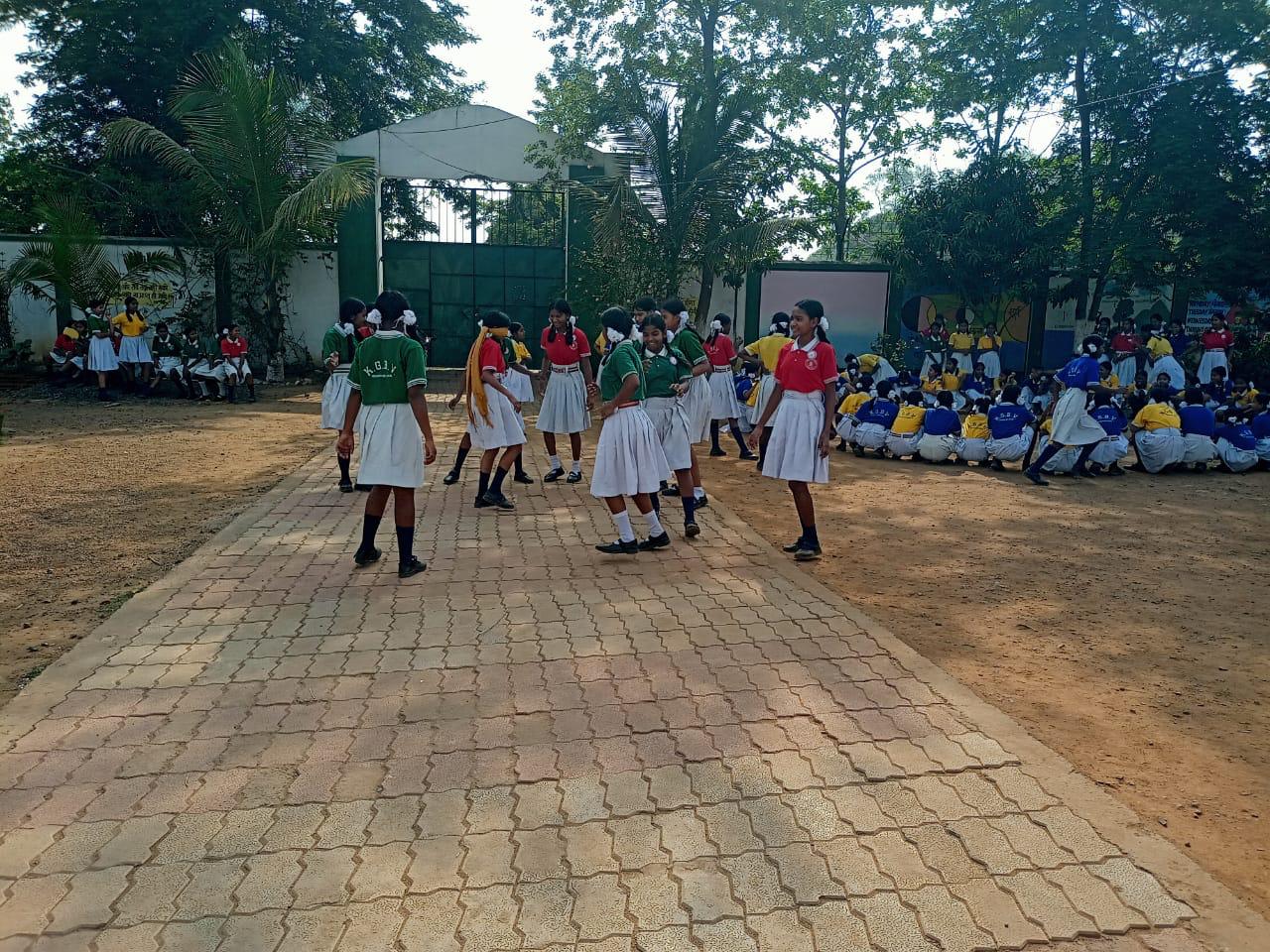
MOVIE OF THE MONTH
TITHI BHOJ -CUM- JANMOTSAV
.jpeg)
.jpeg)
.jpeg)
.jpeg)
.jpeg)
.jpeg)
.jpeg)
.jpeg)
.jpeg)
.jpeg)
.jpeg)
.jpeg)
.jpeg)
.jpeg)
.jpeg)
.jpeg)
.jpeg)
.jpeg)
.jpeg)
.jpeg)
.jpeg)
.jpeg)
.jpeg)
.jpeg)
.jpeg)
.jpeg)
.jpeg)
.jpeg)
.jpeg)
.jpeg)
.jpeg)
.jpeg)
.jpeg)
PARAKH TEST
.jpeg)
.jpeg)
.jpeg)
.jpeg)
.jpeg)
Share Your Suggestions
We value your feedback! Help us improve this project by sharing your ideas and suggestions.
Submit Suggestion