Project BADLAOW
Boosting, Augmenting and Developing Livelihood Aspirations and Opportunities for Women
Project Description
Pakur, an Aspirational District and an important habitat for Jharkhand’s Particularly Vulnerable Tribal Groups (PVTGs), continues to face deep-rooted socio-economic challenges. With nearly 40,000 PVTGs, the district grapples with low literacy, limited livelihood options, widespread food insecurity, scattered settlements, linguistic barriers, and restricted access to government schemes. Social vulnerabilities such as early marriage, high migration, dependence on traditional healers, and low participation of women in the workforce further compound developmental gaps.
At the same time, Pakur is naturally endowed with abundant local resources such as bamboo, tasar, khajur, high-quality honey, jute, barbatti, mahua, sal leaves, non-timber forest produce (NTFPs), and diverse agri-based products. These assets offer immense potential for local, decentralized, tribal-led economic development. Yet for decades, these natural strengths remained untapped due to lack of institutional support, market linkages, skill development, and value-addition infrastructure.
Recognizing the centrality of women as agents of change, the District Administration conceptualized Project BADLAOW — Boosting, Augmenting and Developing Livelihood Aspirations and Opportunities for Women. The project aims to break intergenerational deprivation by building a women-led, convergence-driven, multi-sectoral empowerment ecosystem, addressing economic mobility, human capital development, social inclusion, and sustainable livelihoods.
BADLAOW also builds upon the district’s earlier PVTG enterprise—Gutu Galang Kalyan Trust (GGKT)—which demonstrated potential but struggled due to limited institutional strengthening. The project revitalizes and expands this model by introducing a diversified portfolio of livelihood verticals, establishing processing units for bamboo, honey, sal-leaf plates, tasar, agro-based produce, and promoting value-added local-resource-based enterprises owned and managed by tribal women.
Through structured entrepreneurship pathways, skills training, collectivization, community institutions, market integration, and rehabilitative development for vulnerable groups, BADLAOW has evolved into a transformative women-centered innovation, unlocking Pakur’s natural resource economy and empowering its most marginalized communities.
At the same time, Pakur is naturally endowed with abundant local resources such as bamboo, tasar, khajur, high-quality honey, jute, barbatti, mahua, sal leaves, non-timber forest produce (NTFPs), and diverse agri-based products. These assets offer immense potential for local, decentralized, tribal-led economic development. Yet for decades, these natural strengths remained untapped due to lack of institutional support, market linkages, skill development, and value-addition infrastructure.
Recognizing the centrality of women as agents of change, the District Administration conceptualized Project BADLAOW — Boosting, Augmenting and Developing Livelihood Aspirations and Opportunities for Women. The project aims to break intergenerational deprivation by building a women-led, convergence-driven, multi-sectoral empowerment ecosystem, addressing economic mobility, human capital development, social inclusion, and sustainable livelihoods.
BADLAOW also builds upon the district’s earlier PVTG enterprise—Gutu Galang Kalyan Trust (GGKT)—which demonstrated potential but struggled due to limited institutional strengthening. The project revitalizes and expands this model by introducing a diversified portfolio of livelihood verticals, establishing processing units for bamboo, honey, sal-leaf plates, tasar, agro-based produce, and promoting value-added local-resource-based enterprises owned and managed by tribal women.
Through structured entrepreneurship pathways, skills training, collectivization, community institutions, market integration, and rehabilitative development for vulnerable groups, BADLAOW has evolved into a transformative women-centered innovation, unlocking Pakur’s natural resource economy and empowering its most marginalized communities.
Vision
To build a resilient, community-owned, women-led economic ecosystem where PVTG and marginalized women harness local resources to create sustainable livelihoods, economic security and inter-generational empowerment.
Mission
• Integrate local resources into organized value chains, ensuring income security and cultural continuity.
• Enable women to lead processing units, NTFP-based enterprises, jute processing clusters, honey value addition, and sal-leaf production centres.
• Strengthen access to markets, technology, credit and skilling across all livelihood verticals.
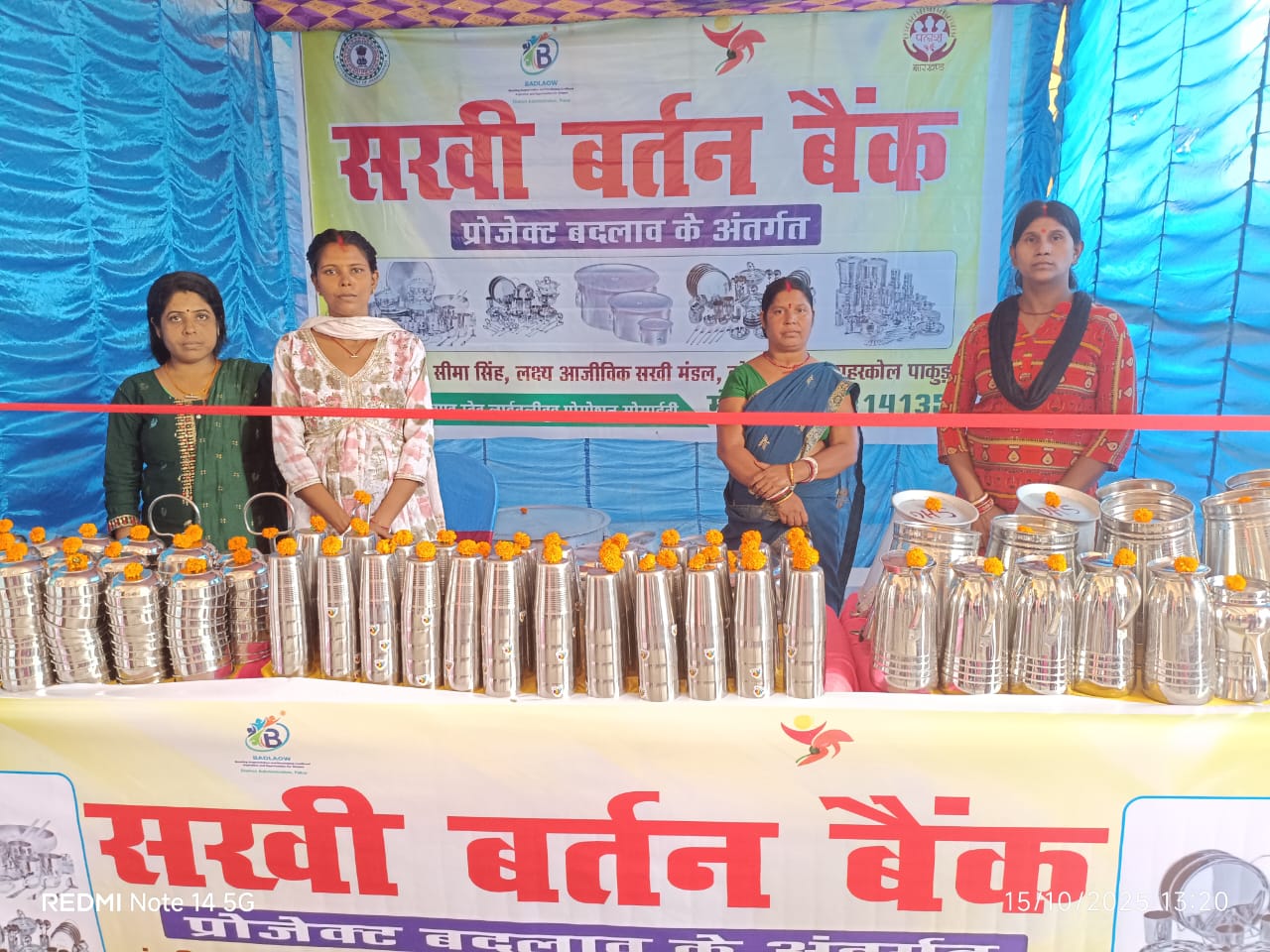
• Create institutional mechanisms like GGKT, Didi Canteens, and Sakhi Mart to sustain the model.
• Expand resource-based livelihoods through convergence with NRLM, MGNREGA, KVK, BHGY, NABARD and RSETI.
• Build institutions that foster leadership, dignity and long-term sustainability.
• Strengthen tribal value chains through technology, credit, training and market linkages.
• Promote community stewardship, enterprise ownership and inclusive economic growth.
• Enable women to lead processing units, NTFP-based enterprises, jute processing clusters, honey value addition, and sal-leaf production centres.
• Strengthen access to markets, technology, credit and skilling across all livelihood verticals.
• Create institutional mechanisms like GGKT, Didi Canteens, and Sakhi Mart to sustain the model.
• Expand resource-based livelihoods through convergence with NRLM, MGNREGA, KVK, BHGY, NABARD and RSETI.
• Build institutions that foster leadership, dignity and long-term sustainability.
• Strengthen tribal value chains through technology, credit, training and market linkages.
• Promote community stewardship, enterprise ownership and inclusive economic growth.
Project Objectives
- Economic empowerment of women, especially PVTG households, through entrepreneurship-led livelihood diversification.
- Strengthen and restructure GGKT into a multi-product, multi-sector sustainable women-led enterprise
- Expand livelihood verticals including Didi Canteens, Sakhi Mart, Sakhi Sawari, milk parlors, seed banks, nursery development, NTFP and jute value chains
- Promote local resource–based economic development by leveraging Pakur’s strengths in bamboo, tasar, khajur, honey, jute, mahua, barbatti and sakhua-leaf products
- Build human capital through systematic training, master trainers pool, role-modelling and learning exchanges
- Promote social inclusion through initiatives like Project PARIVARTAN for women inmates, rehabilitation-based skilling, and community integration
- Enhance scheme penetration through convergence with MGNREGA, NRLM, BHGY, RSETI, NABARD, KVK and district resources
- Strengthen market linkages for tribal products through branding (“Palash”), exports and inter-district supply chains
- Create an inclusive, scalable and replicable model for tribal development, suitable for adoption in similar geographies
Key Achievements
-
Economic Growth & Local Resource Utilisation• GGKT turnover increased to ₹1.5 crore after restructuring; earlier stagnated at ₹0.9 crore. • Women income rose from ₹3,000–₹4,000 to ₹6,000–₹8,000/month. • Didi Café income increased from ₹30,000/month to ₹2–2.5 lakh/month post revamp. • Local resource value chains strengthened: o Bamboo, honey, jute, tasar, khajur and barbatti linked to markets. o Supply of 73,000 rice bags across State, 25,000 seedlings, 3,000 farmers benefited through seed bank under diversification.
-
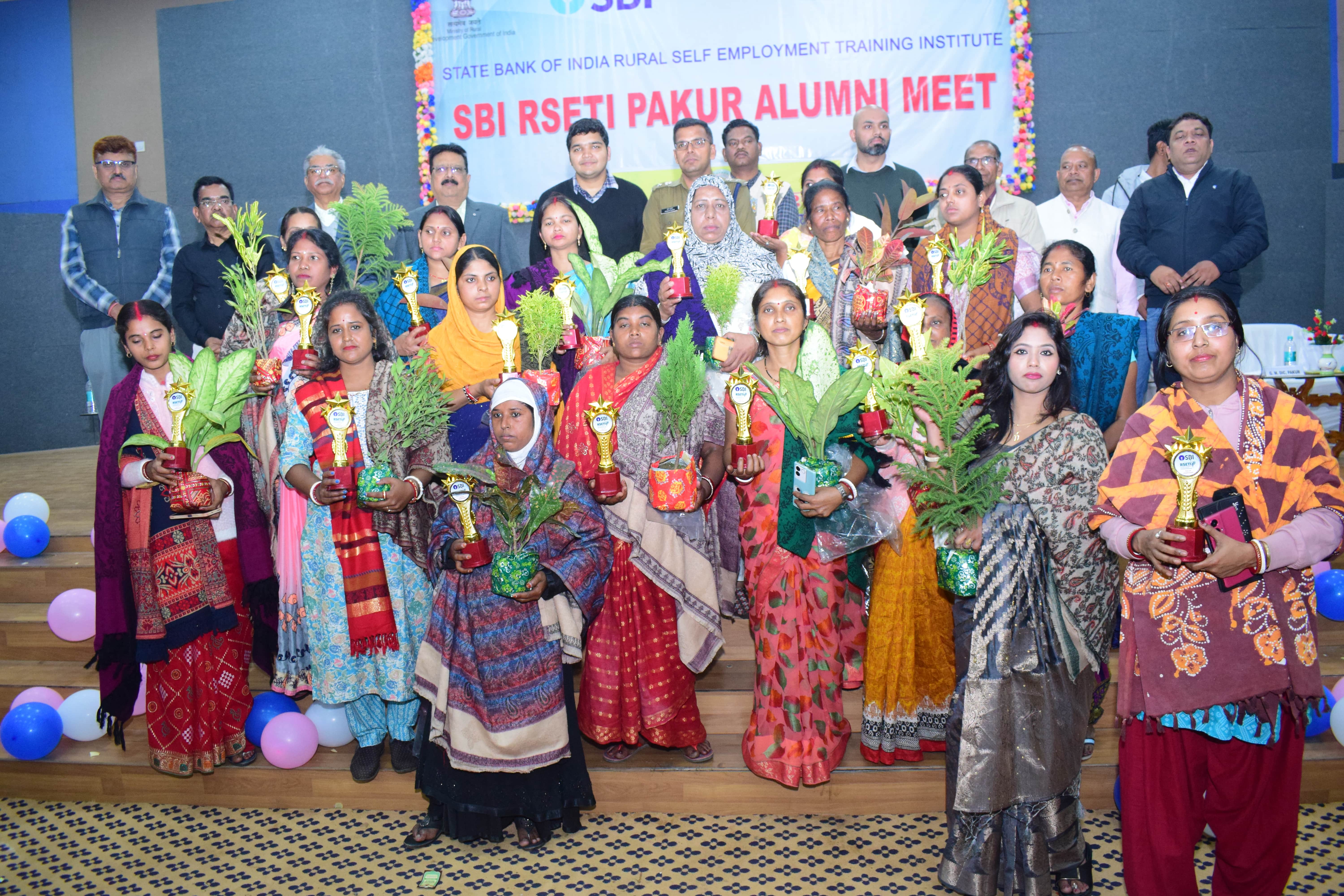
Human Capital Development• Master Trainers, Change Makers, alumni network, Mukhiya orientation programs. • Regular Sakhi Diwas and Sakhi Samwad foster continuous learning and mobilisation.
-
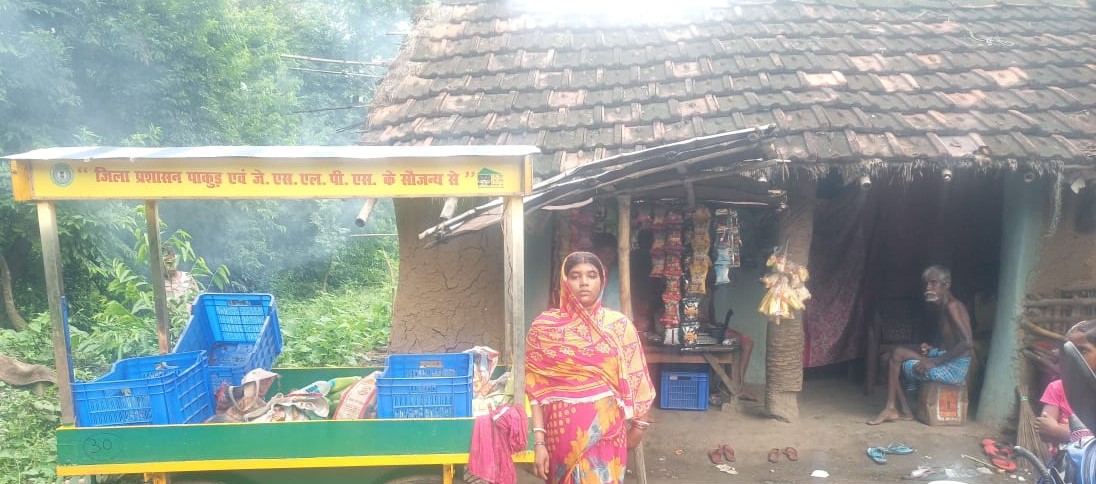
Livelihood Diversification & Market Expansion• Launch of Didi Canteens, Sakhi Mart, Sakhi Sawari, Solar Sakhi, Sakhi Kart, milk parlours. • Mango exported to Riyadh, creating global exposure for PVTG farmers. • Jute ODOP strengthened through MoU with JCI & Chaas Haat, benefitting 2,700 farmers, ensuring MSP and modernization (sona powder, seed drills, cycle weeders).
-
Social Inclusion & Rehabilitation• Under Project PARIVARTAN, inmates trained and their products branded under NIRWASH. • Yoga sessions, PVTG TB patient adoption, exposure visits, study materials for PVTG Pathshala, beekeeping kits distribution (30 PVTG households).
-
Governance, Community & Gender Impact• Women's participation increased from 6 (2019) to 3,068 (2025). • Improvement in nutrition, education participation and scheme penetration. • Growing cultural preservation through traditional food revival, local crafts, sal-leaf products and tasar-based value chains.
Photo Gallery
GALLERY
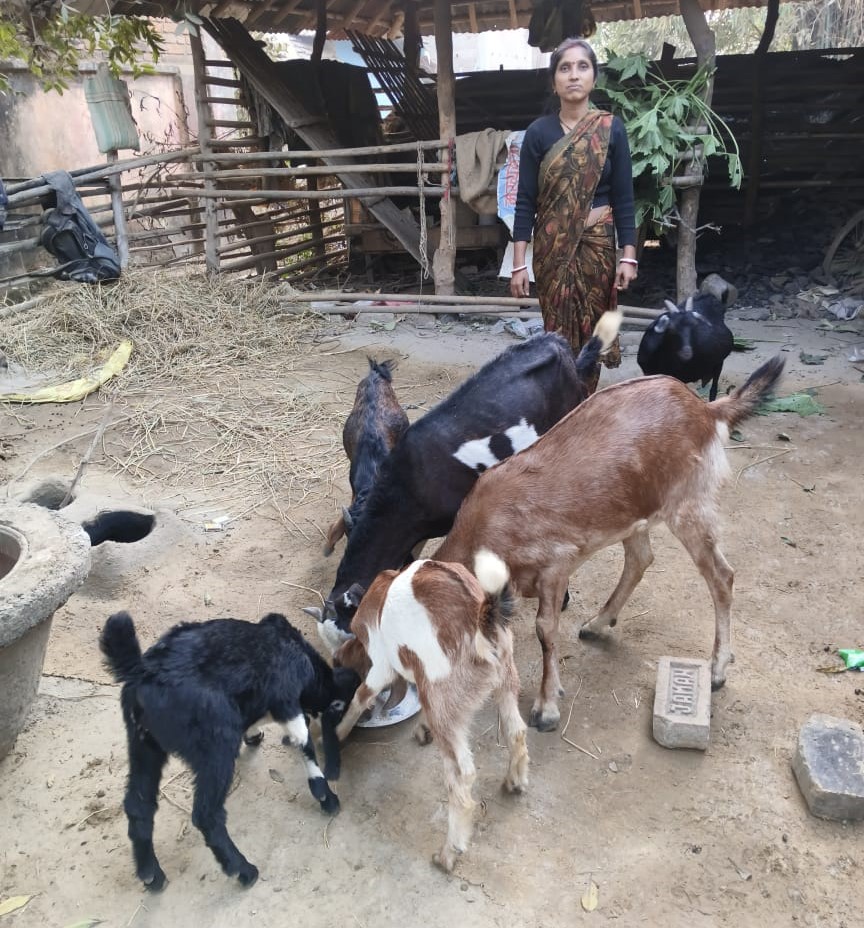
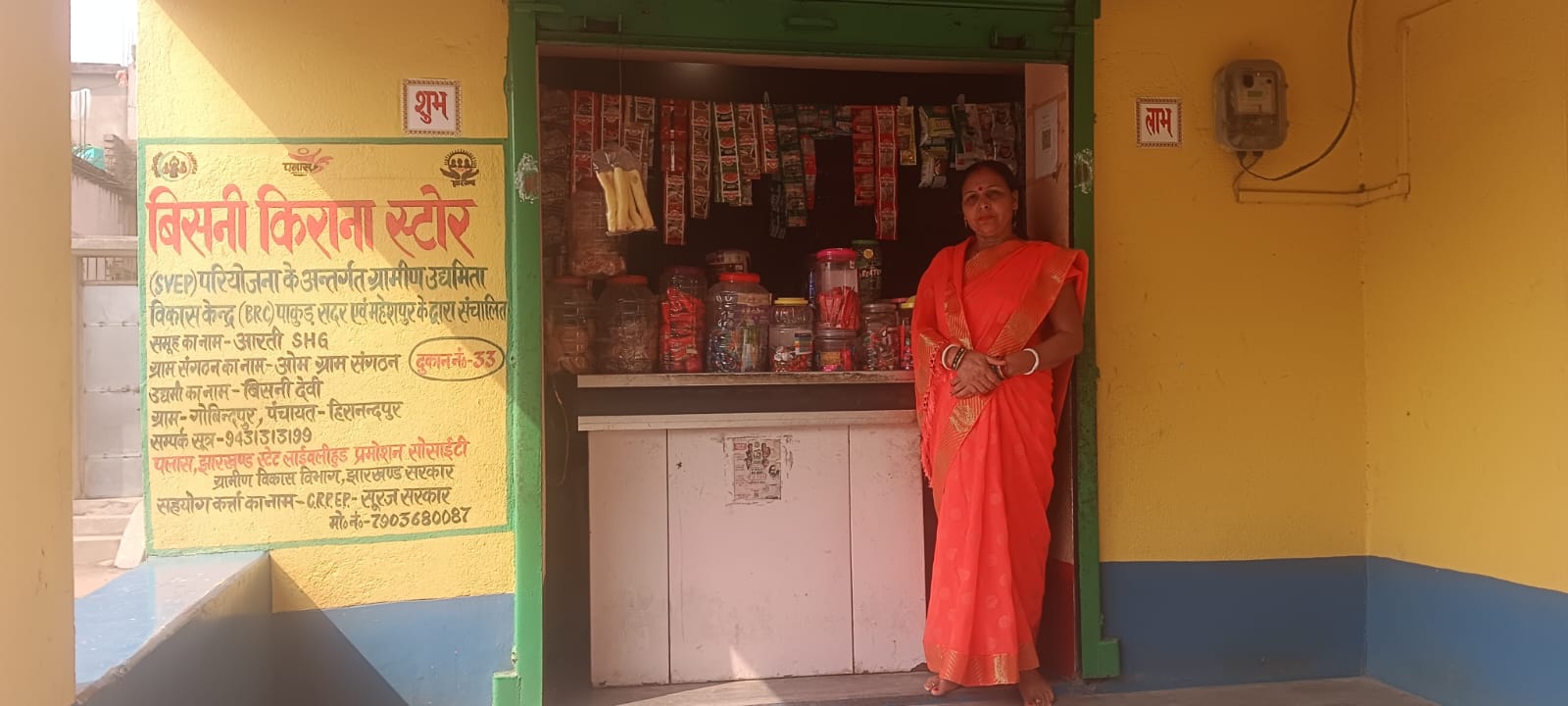
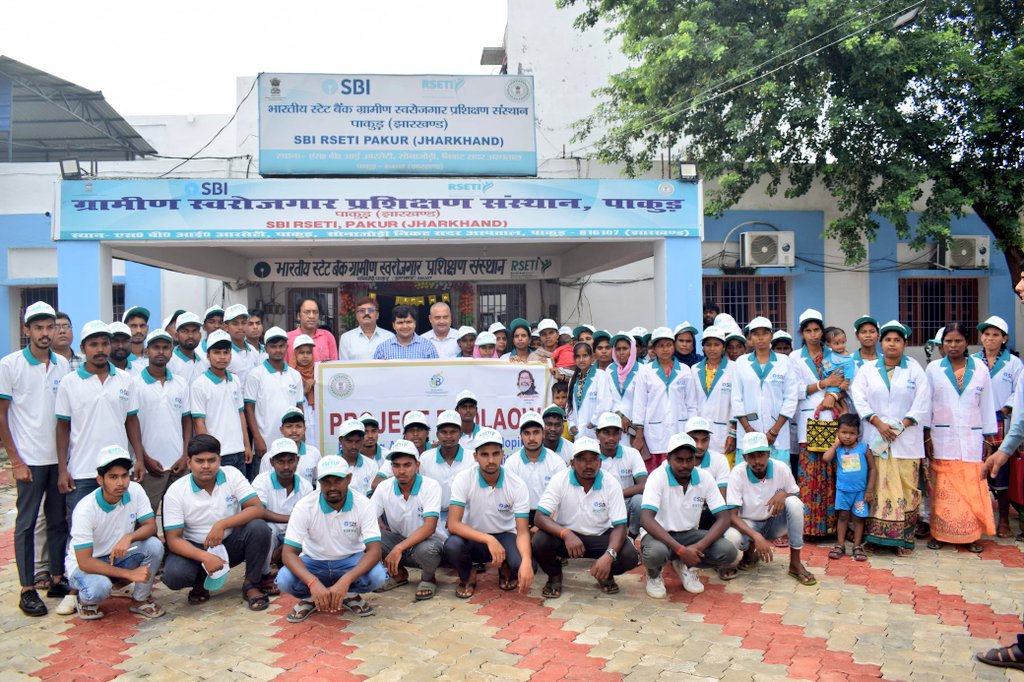
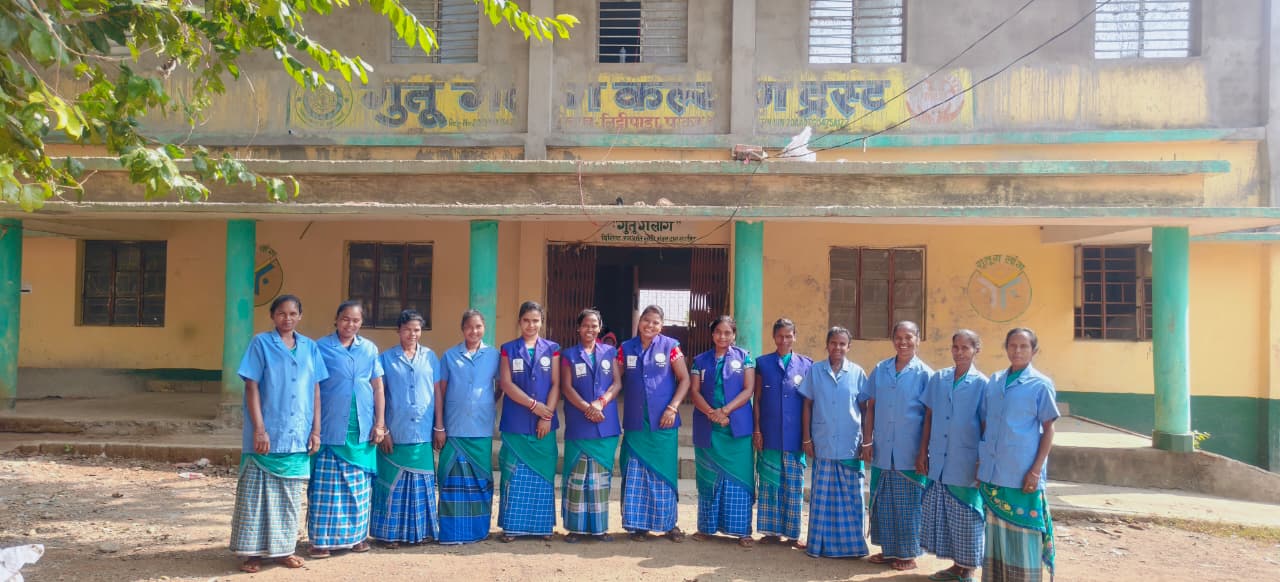
Share Your Suggestions
We value your feedback! Help us improve this project by sharing your ideas and suggestions.
Submit Suggestion