PROJECT JAAGRITI
बेहतर स्वास्थ्य की ओर एक कदम
Project Description
1. Introduction
Pakur district, an Aspirational District of Jharkhand, is characterised by challenging geography and deep socio-economic vulnerabilities. The district’s hilly and inaccessible terrain, scattered hamlets, seasonal isolation, 40%+ population below the poverty line, and difficult connectivity severely impact last-mile health service delivery. The demographic composition—large tribal population, PVTGs, minorities—combined with cultural dependence on traditional healers, low awareness, poor housing, poor sanitation, and weak health-seeking behaviour contributes to poor health indicators.
Further, Pakur has long been a hotspot for Vector-Borne Diseases (VBDs) such as Kala-azar, Filaria, and Malaria. Challenges such as delayed case detection, shortage of specialists, fragmented vertical programmes, duplication of Sahiya fieldwork, and limited access to structured health education demanded a holistic, converged, innovative, and community-driven response.
To address these multidimensional gaps, the district launched Project JAAGRITI—
Journey for Amplifying Actions with the Goal of Regular Interventions for Transformational Improvements—
a district-wide health transformation initiative.
JAAGRITI integrates multiple health programmes, strengthens surveillance, expands access through outreach camps, leverages technology, and builds a durable Jan Bhagidari ecosystem. It aims to ensure that every citizen—especially vulnerable groups like tribals, PVTGs, women, children, PwDs, migrants, elderly, and remote habitations—benefits from reliable, equitable, and quality healthcare.
Pakur district, an Aspirational District of Jharkhand, is characterised by challenging geography and deep socio-economic vulnerabilities. The district’s hilly and inaccessible terrain, scattered hamlets, seasonal isolation, 40%+ population below the poverty line, and difficult connectivity severely impact last-mile health service delivery. The demographic composition—large tribal population, PVTGs, minorities—combined with cultural dependence on traditional healers, low awareness, poor housing, poor sanitation, and weak health-seeking behaviour contributes to poor health indicators.
Further, Pakur has long been a hotspot for Vector-Borne Diseases (VBDs) such as Kala-azar, Filaria, and Malaria. Challenges such as delayed case detection, shortage of specialists, fragmented vertical programmes, duplication of Sahiya fieldwork, and limited access to structured health education demanded a holistic, converged, innovative, and community-driven response.
To address these multidimensional gaps, the district launched Project JAAGRITI—
Journey for Amplifying Actions with the Goal of Regular Interventions for Transformational Improvements—
a district-wide health transformation initiative.
JAAGRITI integrates multiple health programmes, strengthens surveillance, expands access through outreach camps, leverages technology, and builds a durable Jan Bhagidari ecosystem. It aims to ensure that every citizen—especially vulnerable groups like tribals, PVTGs, women, children, PwDs, migrants, elderly, and remote habitations—benefits from reliable, equitable, and quality healthcare.
Vision
To create a healthy, empowered, and informed Pakur, where every individual—regardless of geography, socio-economic status, or vulnerability—has access to timely, quality, converged, and people-centred healthcare services.
Mission
• To eliminate major public health burdens such as Kala-azar, Lymphatic Filariasis, Malaria, and Tuberculosis.
• To improve maternal and child health, NCD control, disability care, blood availability, and preventive healthcare.
• To strengthen institutional frameworks through NQAS certification, HR strengthening, and district-level reforms.
• To enhance community participation and make health a Jan Bhagidari movement.
• To bring technology-driven and data-driven governance into health service delivery.
• To converge Central and State Government schemes under a unified operational framework.
• To improve maternal and child health, NCD control, disability care, blood availability, and preventive healthcare.
• To strengthen institutional frameworks through NQAS certification, HR strengthening, and district-level reforms.
• To enhance community participation and make health a Jan Bhagidari movement.
• To bring technology-driven and data-driven governance into health service delivery.
• To converge Central and State Government schemes under a unified operational framework.
Project Objectives
- Improve Health Infrastructure • Achieve NQAS certification of health facilities. • Strengthen Sadar Hospital, CHCs/PHCs, HWCs. • Recruit specialists through DMFT and improve service availability (orthopaedics, AYUSH, yoga instructors).
- Eliminate Diseases • Achieve elimination of Kala-azar, Filaria, Malaria through IRS, LLIN, IACS, IDA–MDA, and 6i Strategy. • Achieve TB-free Pakur through TB patient adoption, early detection, nutrition, and adherence tracking.
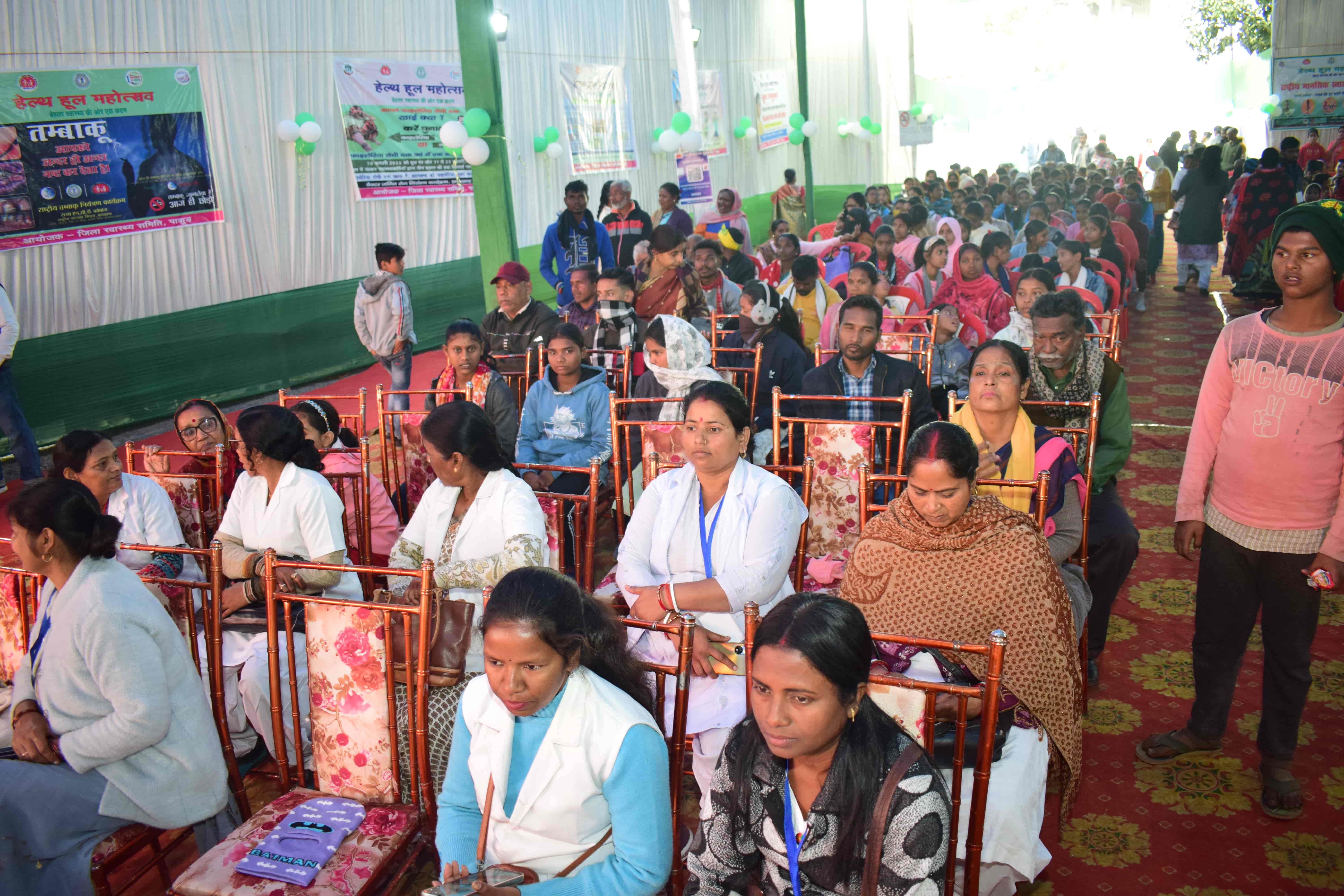
- Enhance Service Delivery • Conduct Health Hul camps for multi-disease screening/treatment. • Expand Telemedicine (e-Sanjeevani) and RBSK outreach. • Digitise monitoring through the JAAGRITI App.
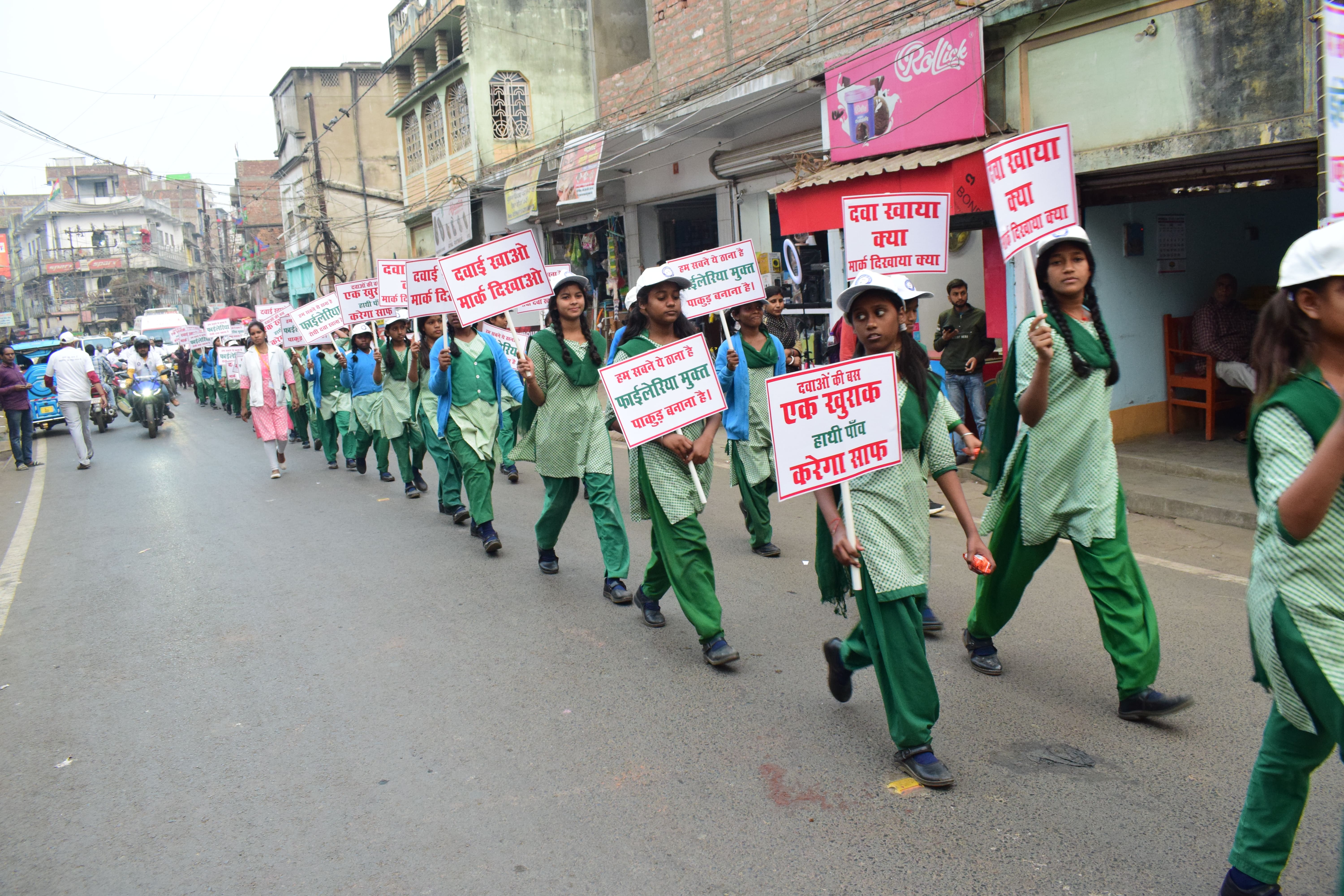
- Build Community Participation • Mobilise SHGs, PRI members, teachers, youth groups, religious leaders, and community volunteers. • Strengthen Jan Bhagidari through awareness, rallies, Ratri Chaupals, and IEC in local dialects.
- Strengthen Convergence Bringing multiple schemes under one umbrella: • NHM (JSY, JSSK, RBSK, RKSK, NPCDCS) • NTEP, NVBDCP, NTCP • AB-HWC & AB-PMJAY • Mission Indradhanush, SNSP JAAGRITI complements these by improving last-mile delivery and accountability.
Key Achievements
-
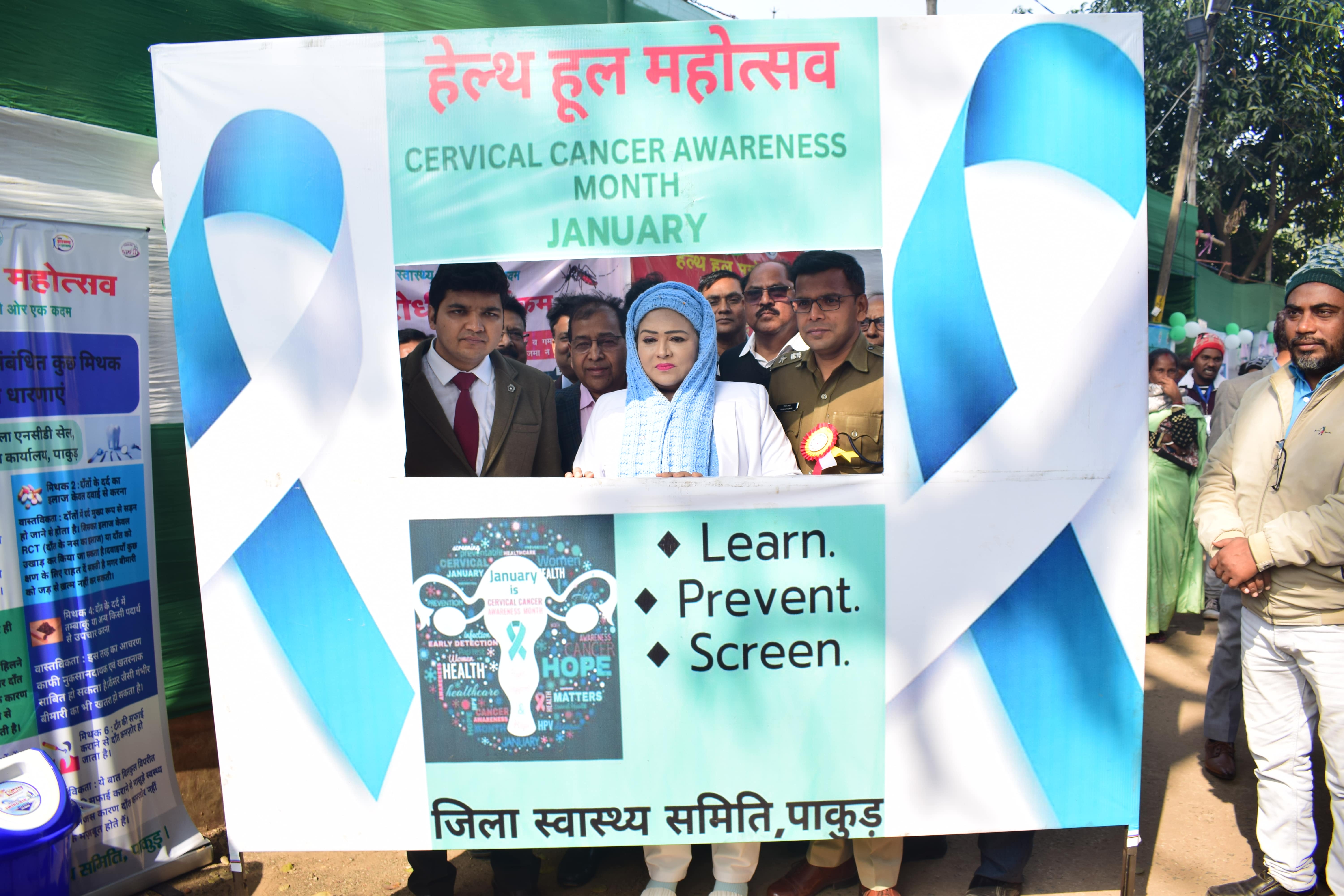
Project JAAGRITI has delivered multi-dimensional and measurable improvements, transforming health outcomes across the district:Outreach & Service Delivery • 20,000+ citizens benefitted through Health Hul mega camps. • 1,200 villages covered through IACS, AYUSH, and outreach camps. • 10,000+ students screened under RBSK. • 289 women underwent cervical cancer screening; treatment ensured. • 100 cataract surgeries facilitated.
-
TB Elimination• 100% adoption of all 1,500 TB patients by PRI, officials, and community leaders. • Early detection through Every 100 Days TB Camps with CBNAAT & digital X-ray. • 500+ Nikshay Mitras enrolled.
-
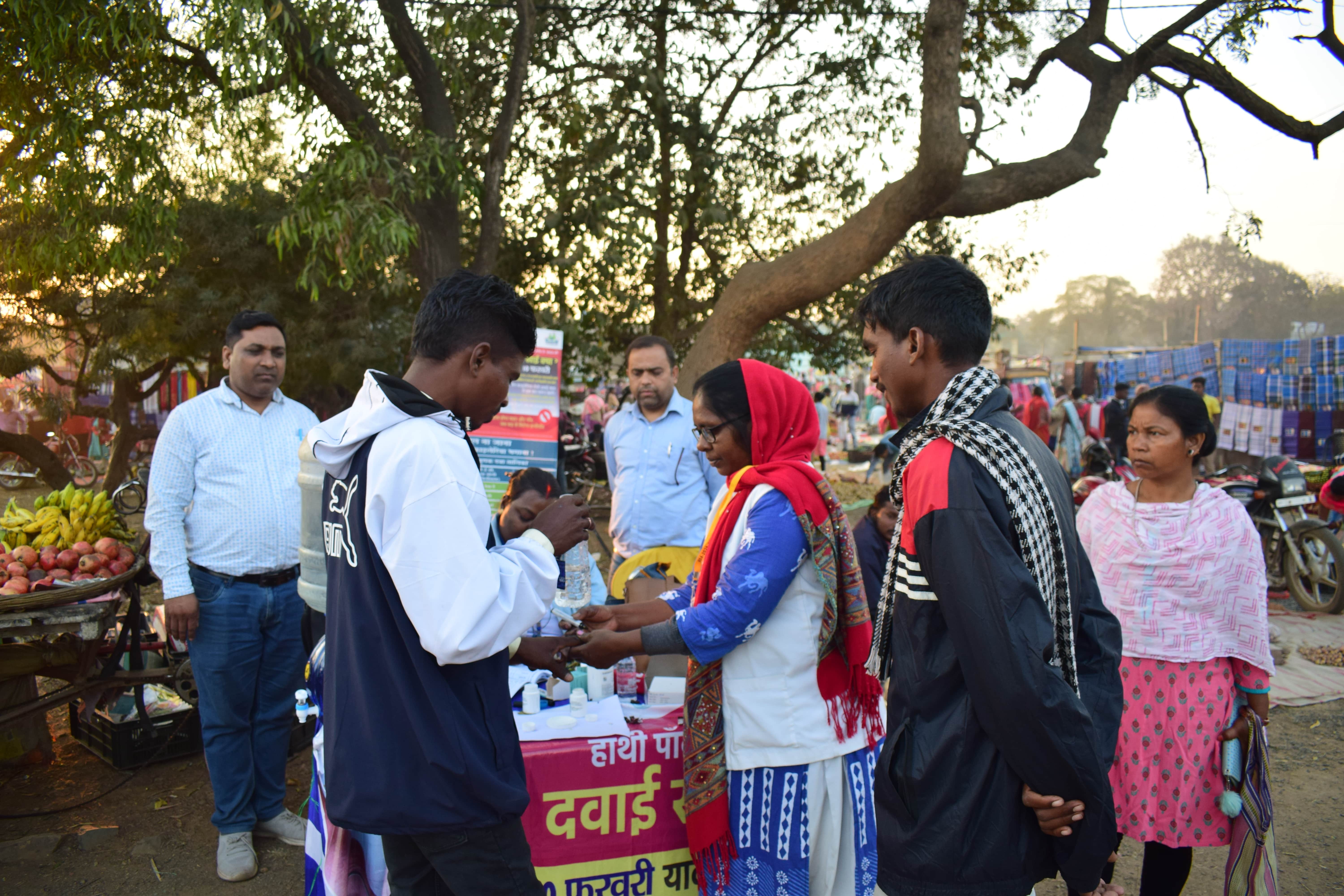
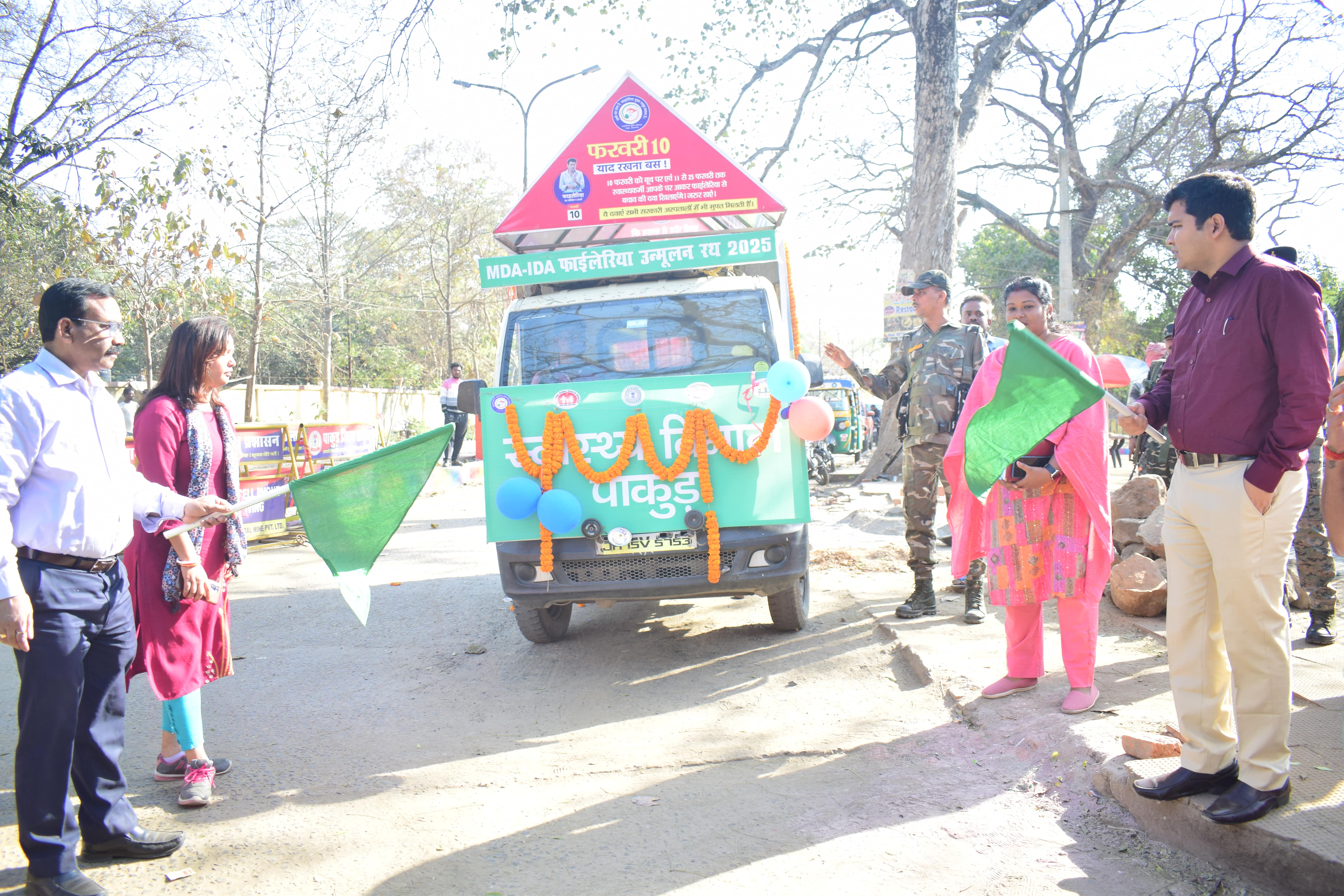
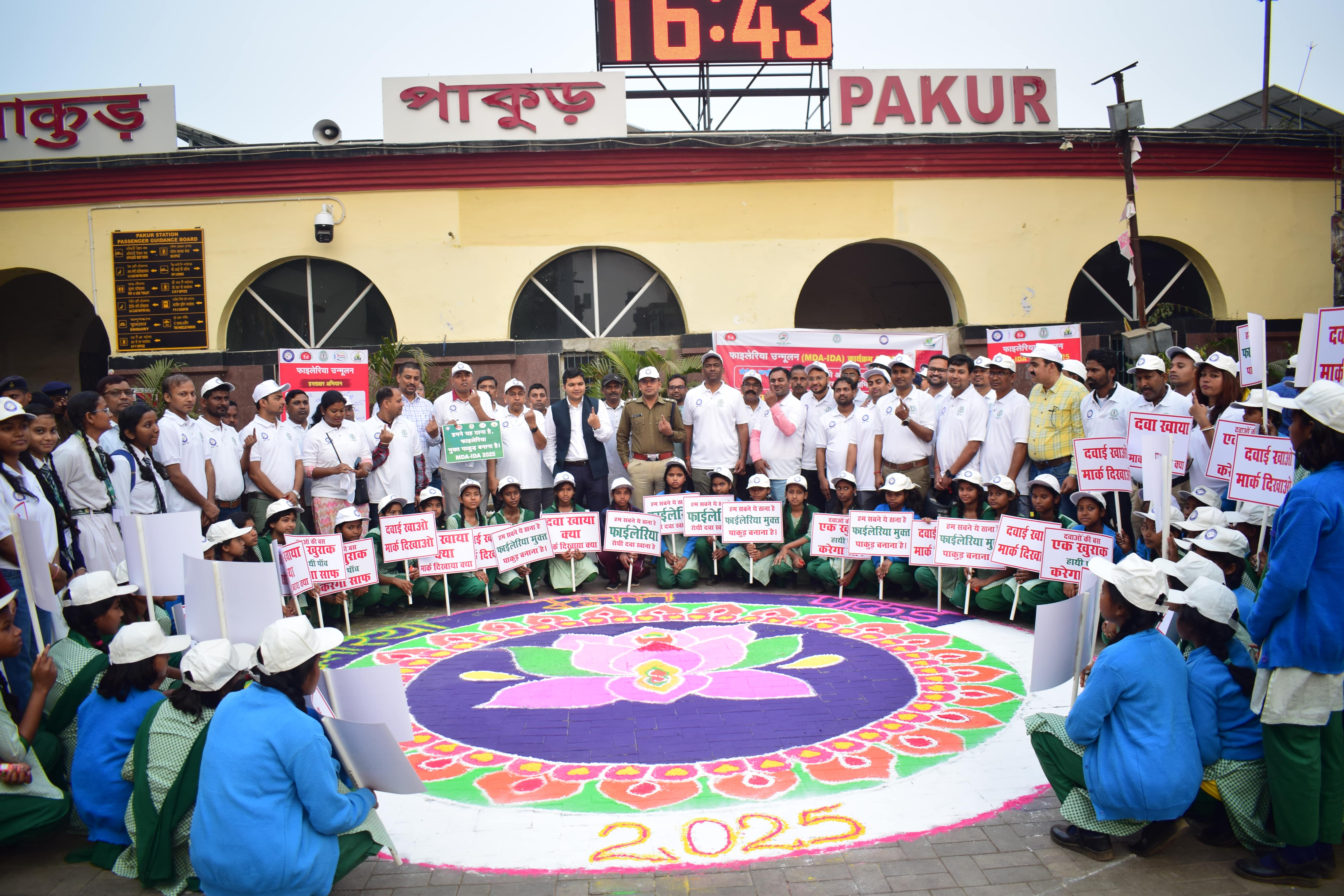
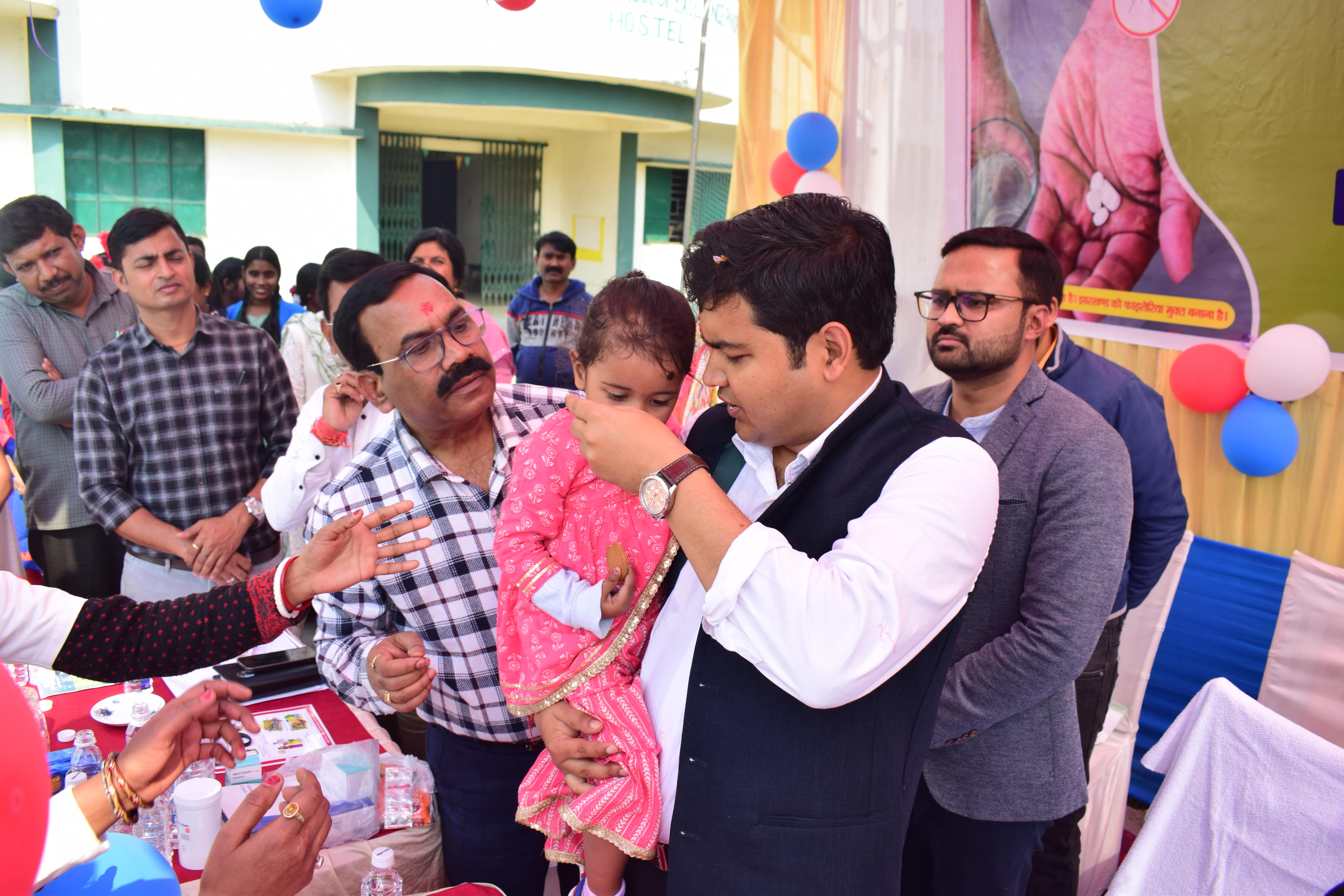
VBD Control• IDA/MDA coverage improved from 84% to 98.6%. • 6i Strategy appreciated by WHO & presented at National Kala-azar Conference. • One block nearing Filaria elimination status. • 100% IRS coverage with house marking.
-
Digital Governance• JAAGRITI App launched for High-Risk Pregnancies & Kala-azar monitoring (geo-tracking, reminders, dashboards). • Unified datasets enabled hotspot mapping and predictive planning.
-
Health Infrastructure• 44 NQAS-certified facilities—highest in Jharkhand. • Sadar Hospital restructuring initiated; orthopaedic surgeries conducted for the first time. • Recruitment of specialists and yoga instructors strengthened service availability.
-
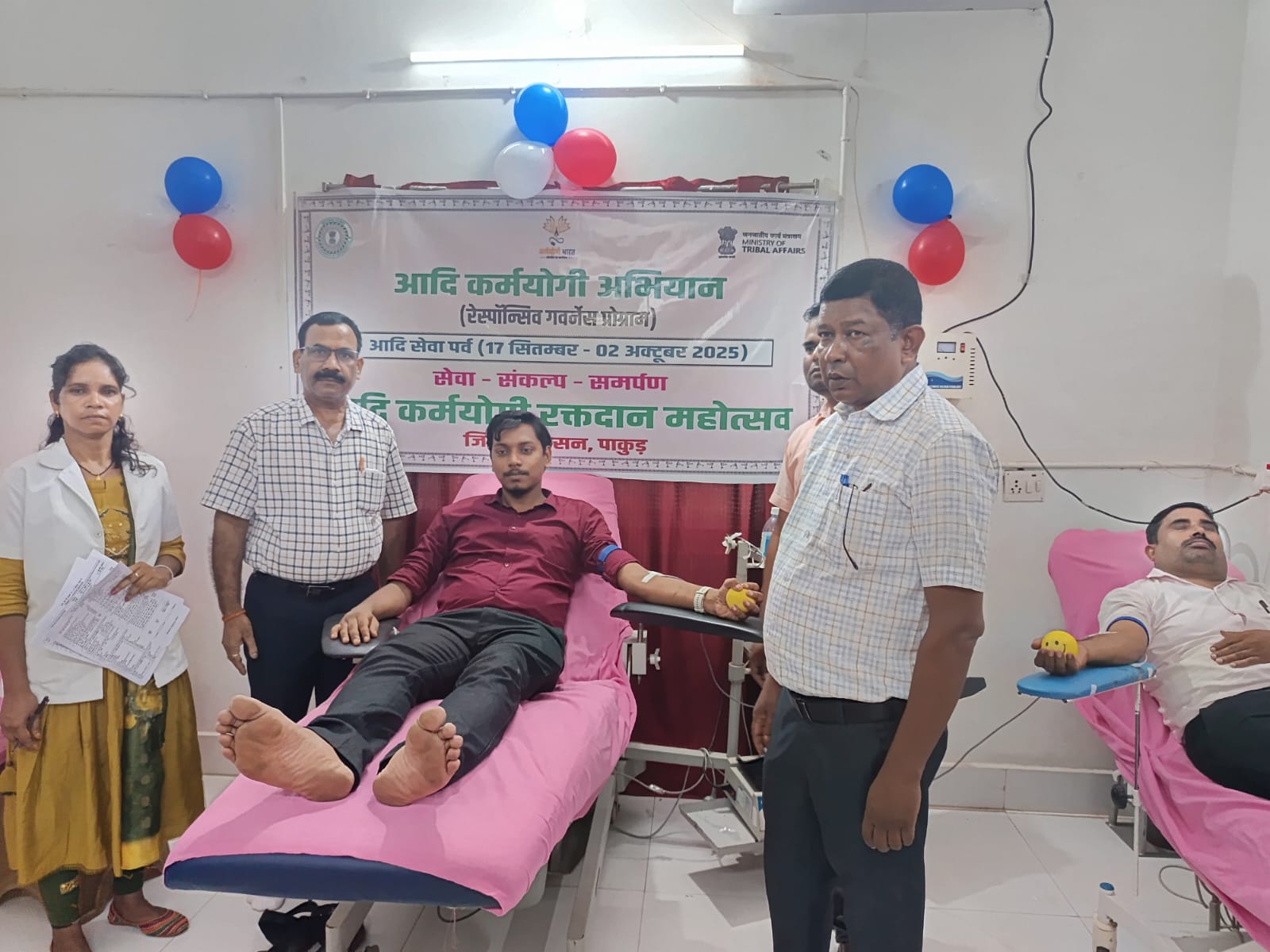
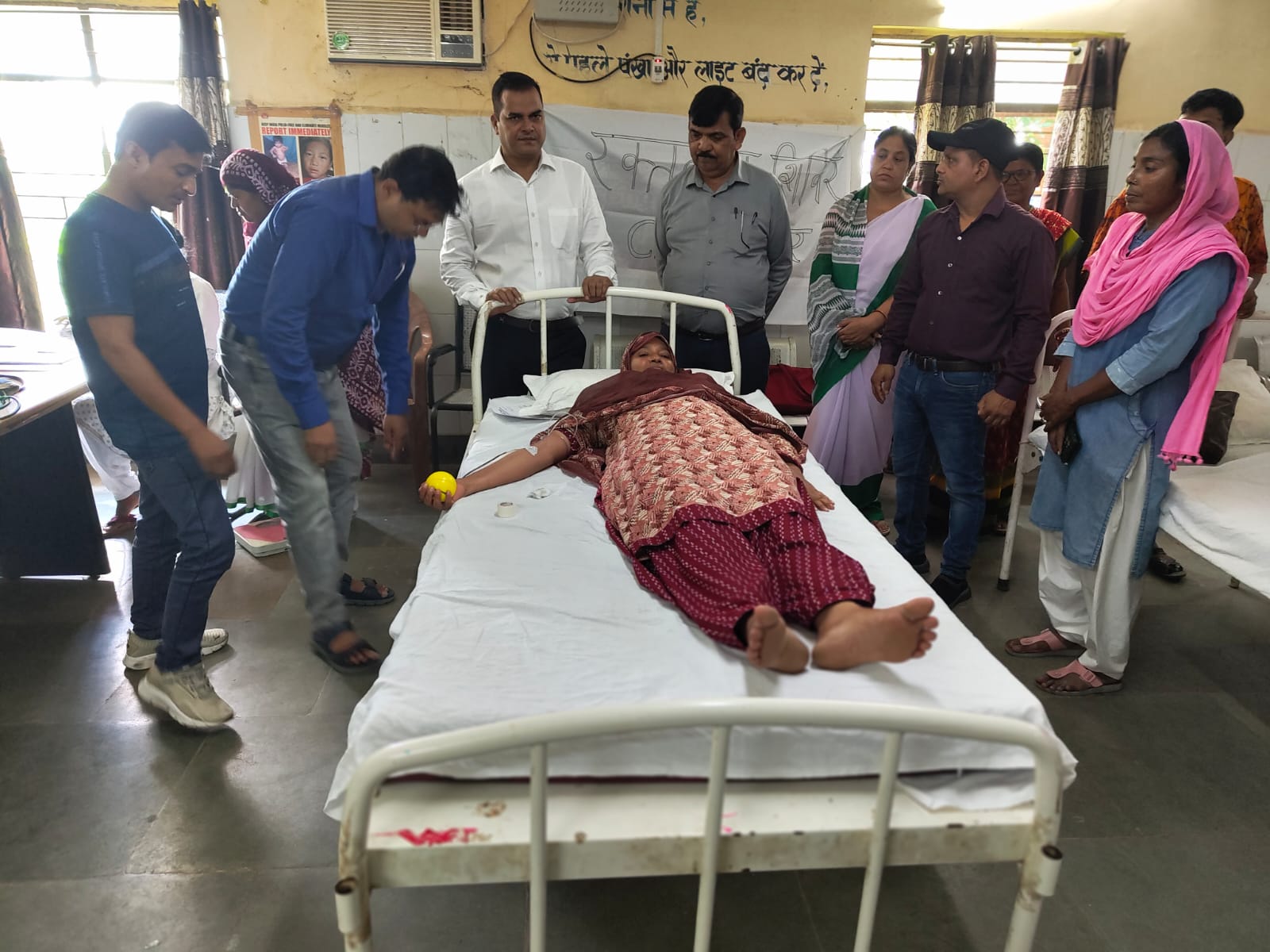
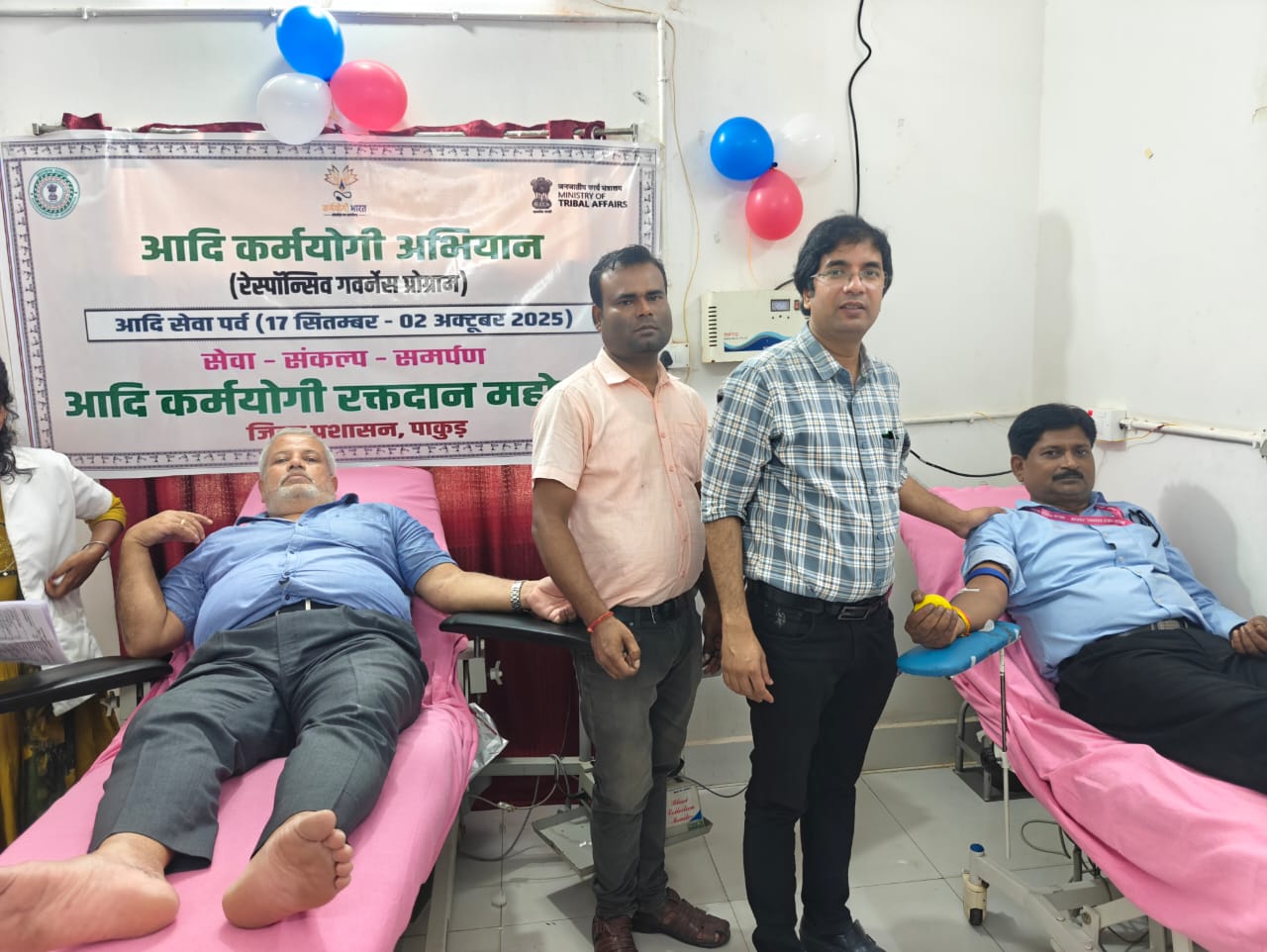
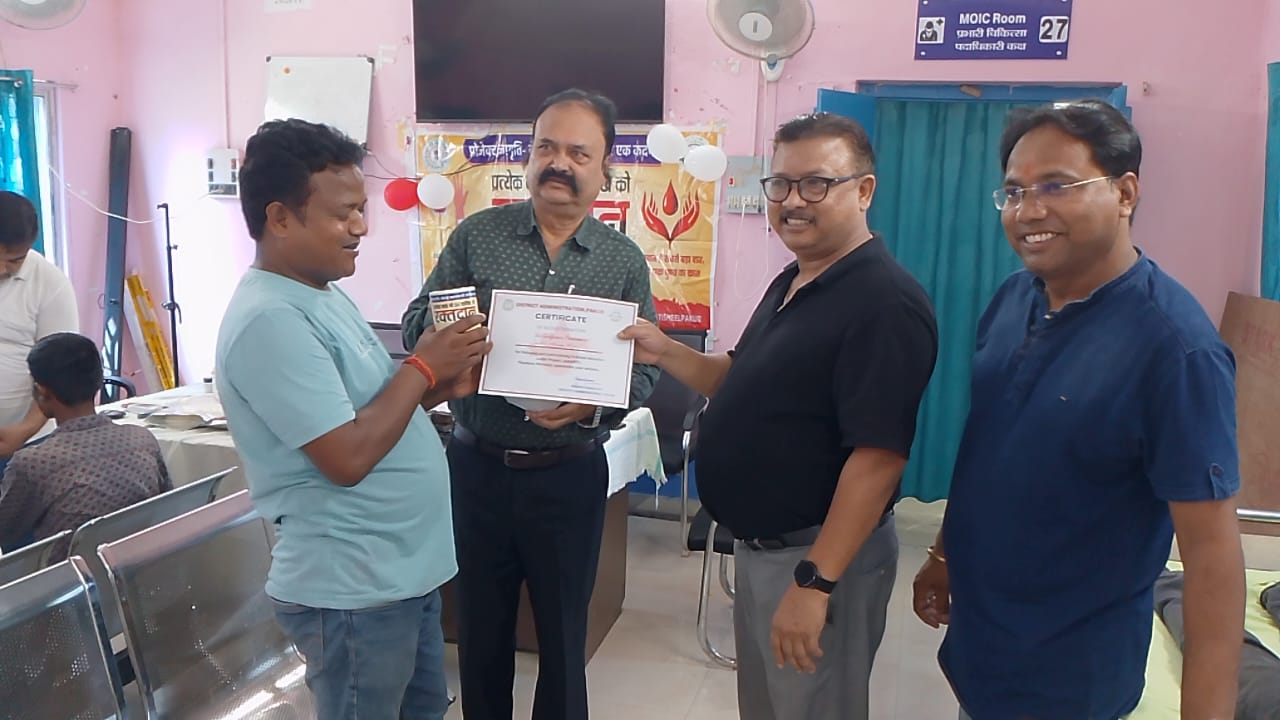
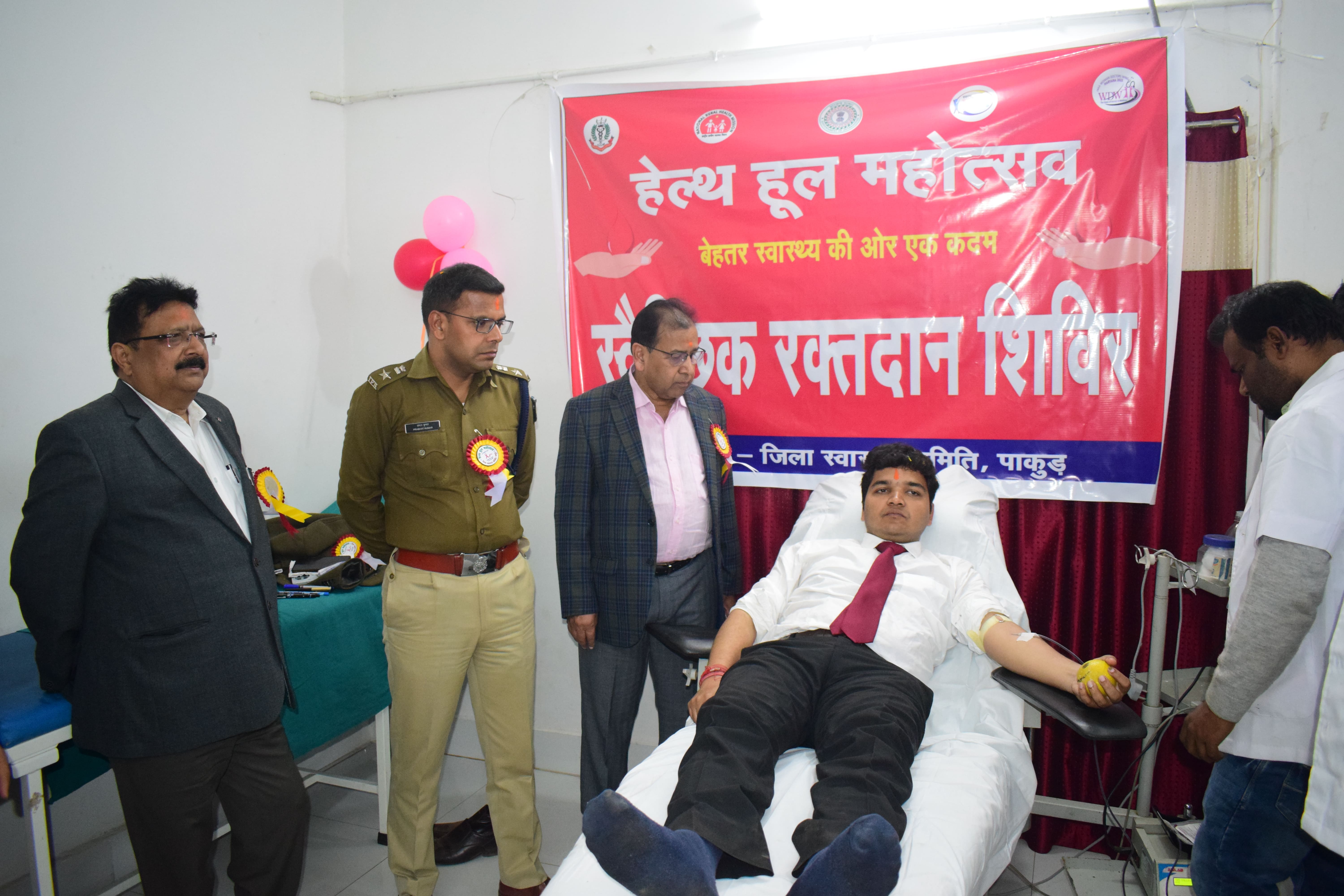
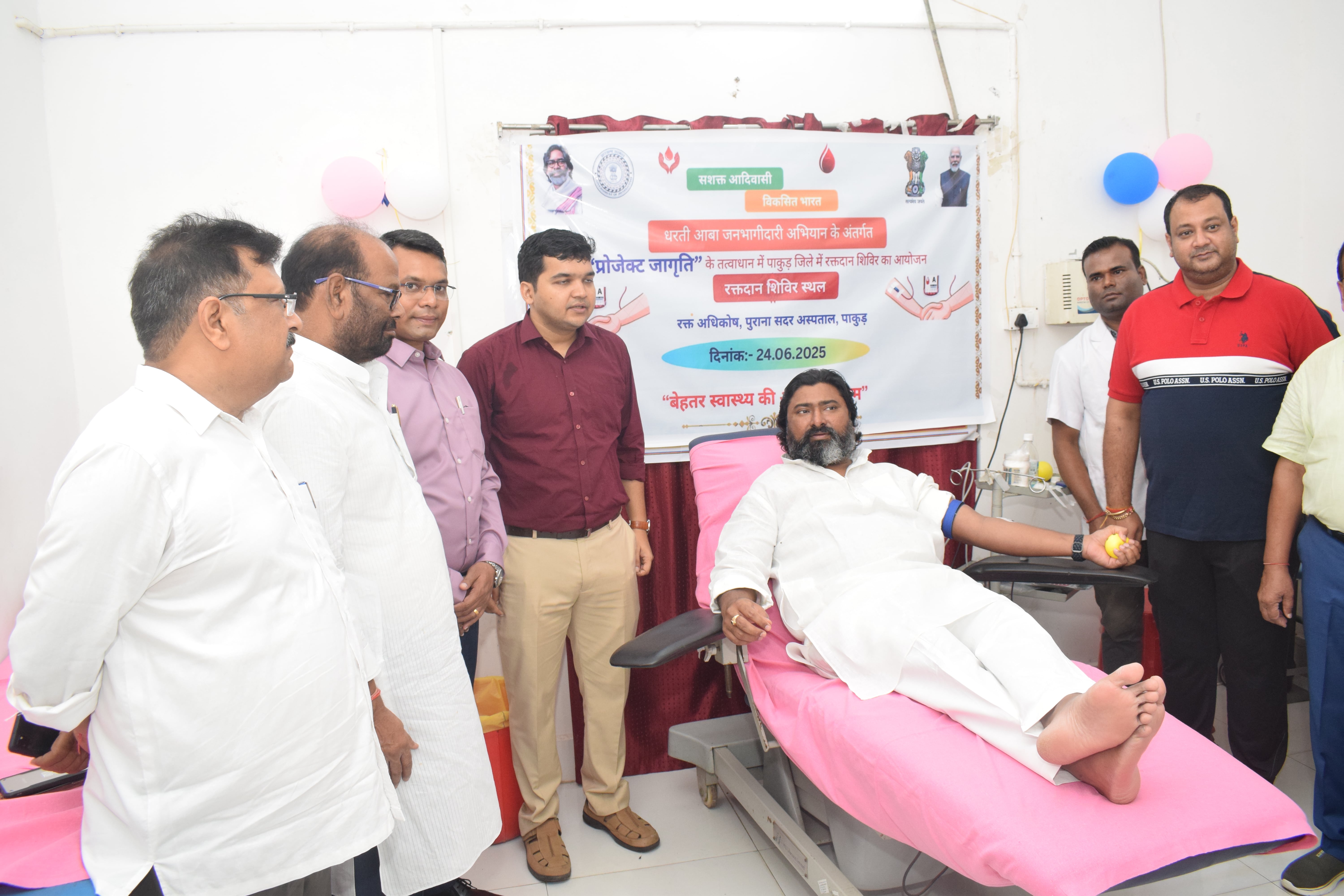
Blood Availability• Monthly Raktdaan Mahotsav on the 24th institutionalised. • District shifted from blood-deficit to blood buffer status, supporting neighbouring districts.
-
Awards & Recognition• Project JAAGRITI received national recognition at the National Conference on Kala-azar Elimination. • Pakur ranked: o 1st in Telemedicine (e-Sanjeevani) o 2nd in Anaemia Mukt Bharat
Photo Gallery
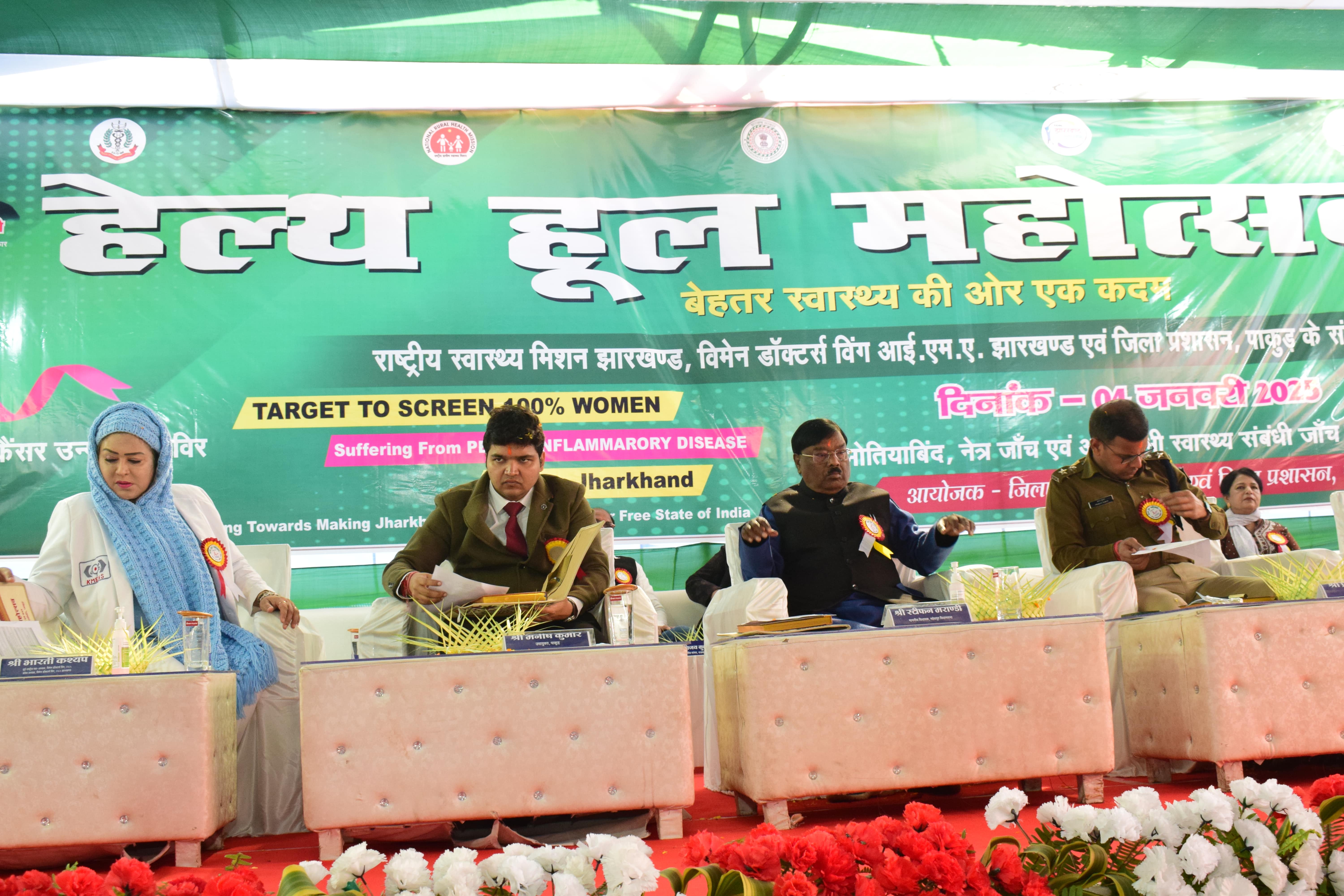
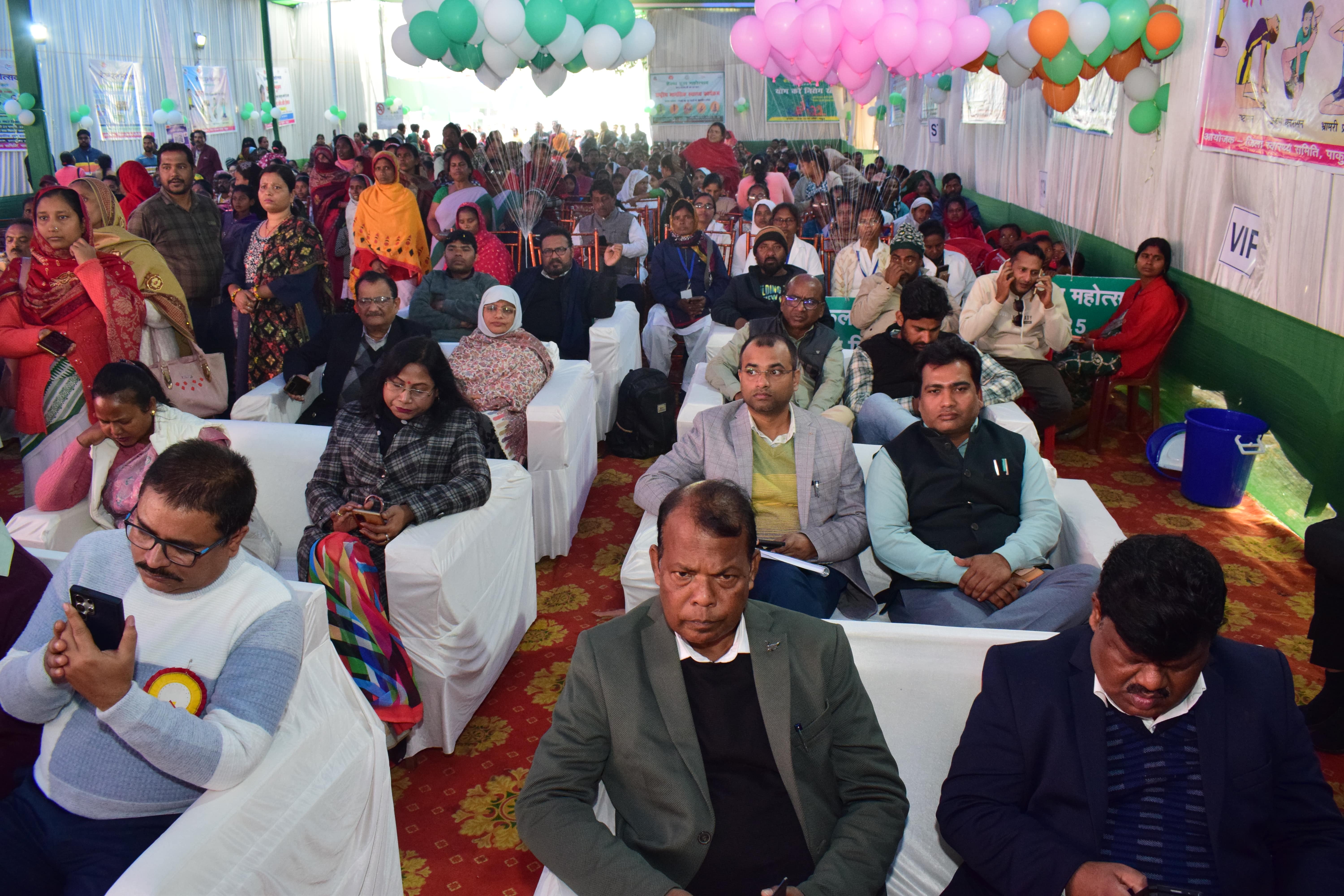
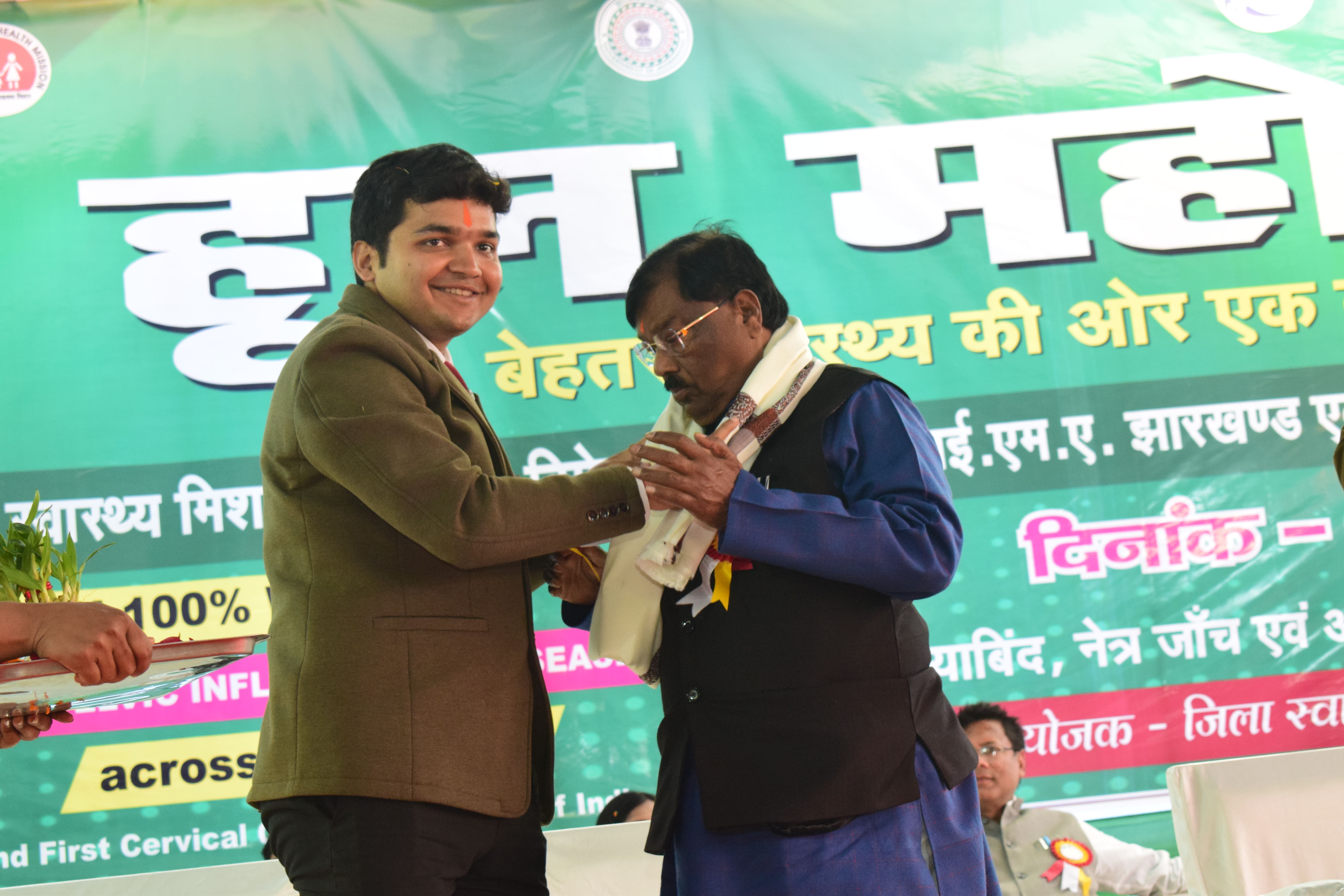
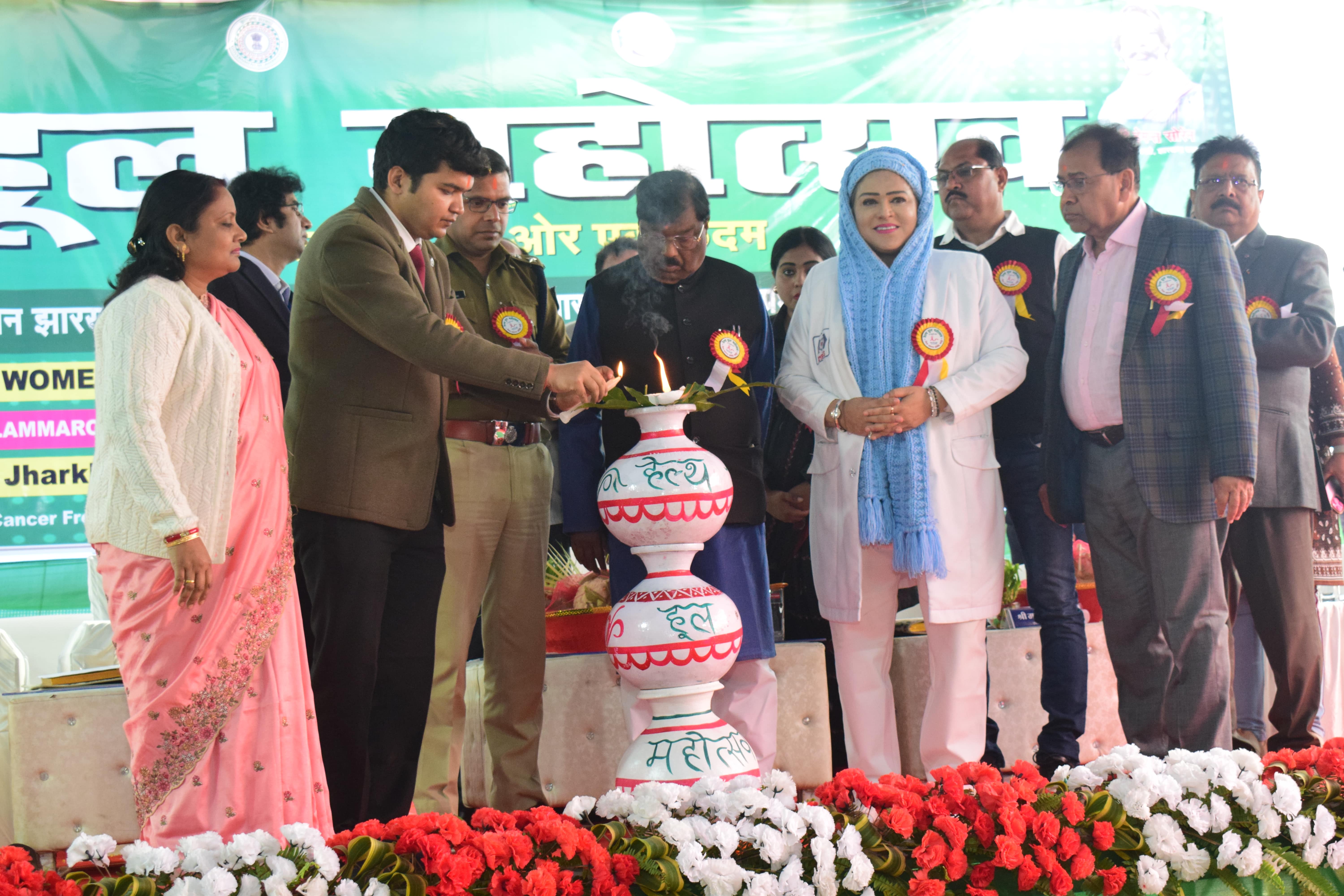
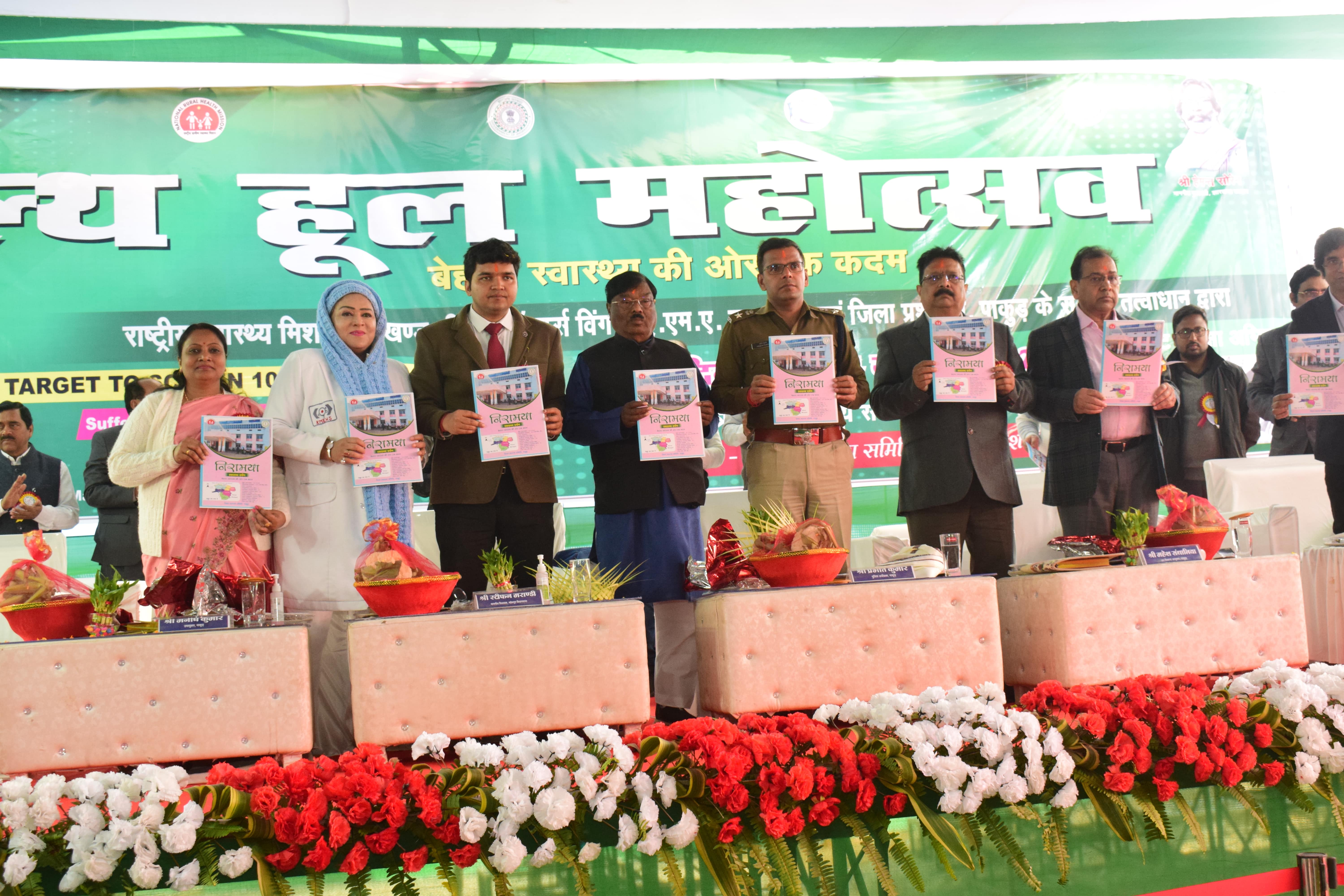
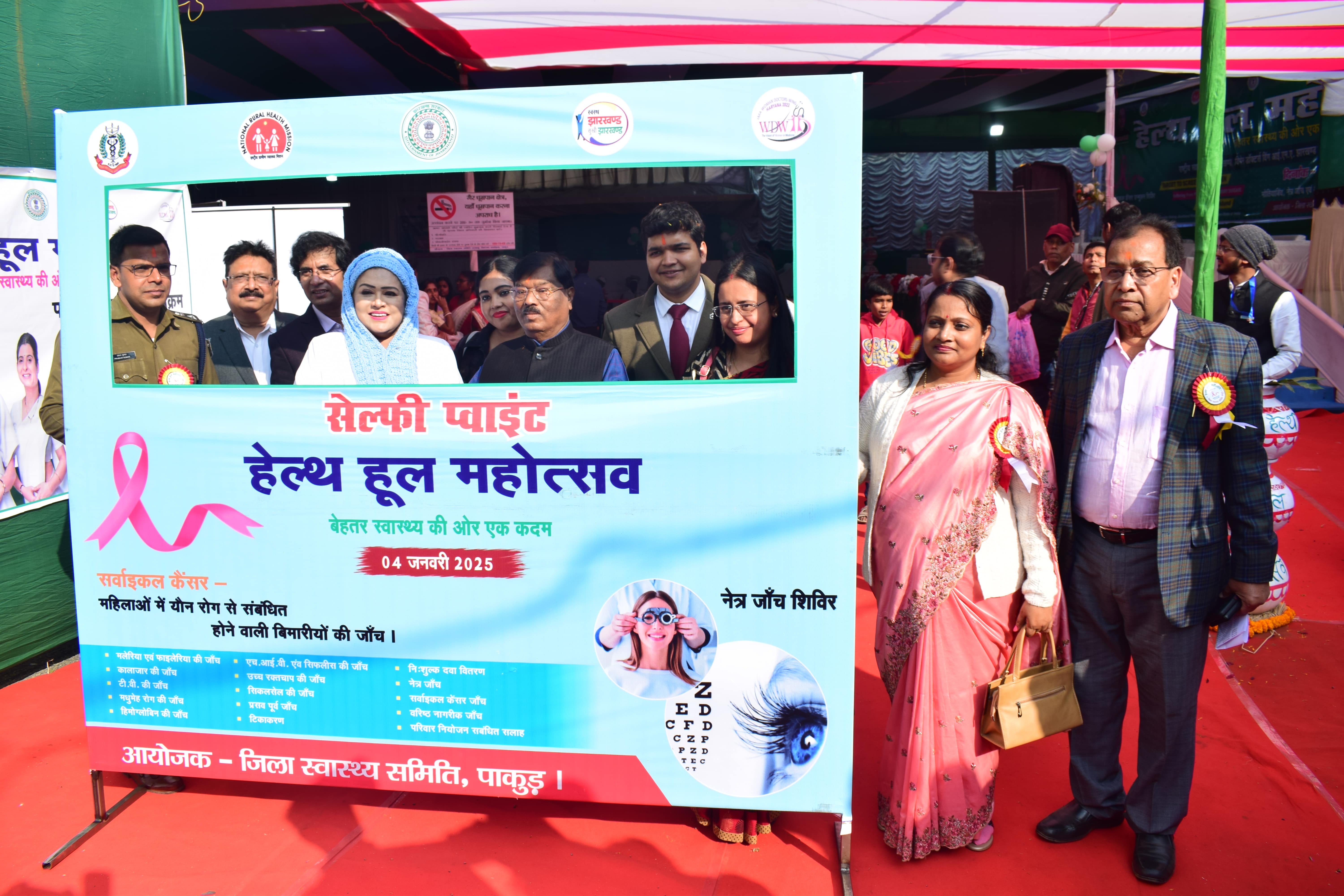
HEALTH HOOL MAHOTSAV
MONTHLY BLOOD DONATION
IDA/MDA PROGRAMME
Share Your Suggestions
We value your feedback! Help us improve this project by sharing your ideas and suggestions.
Submit Suggestion